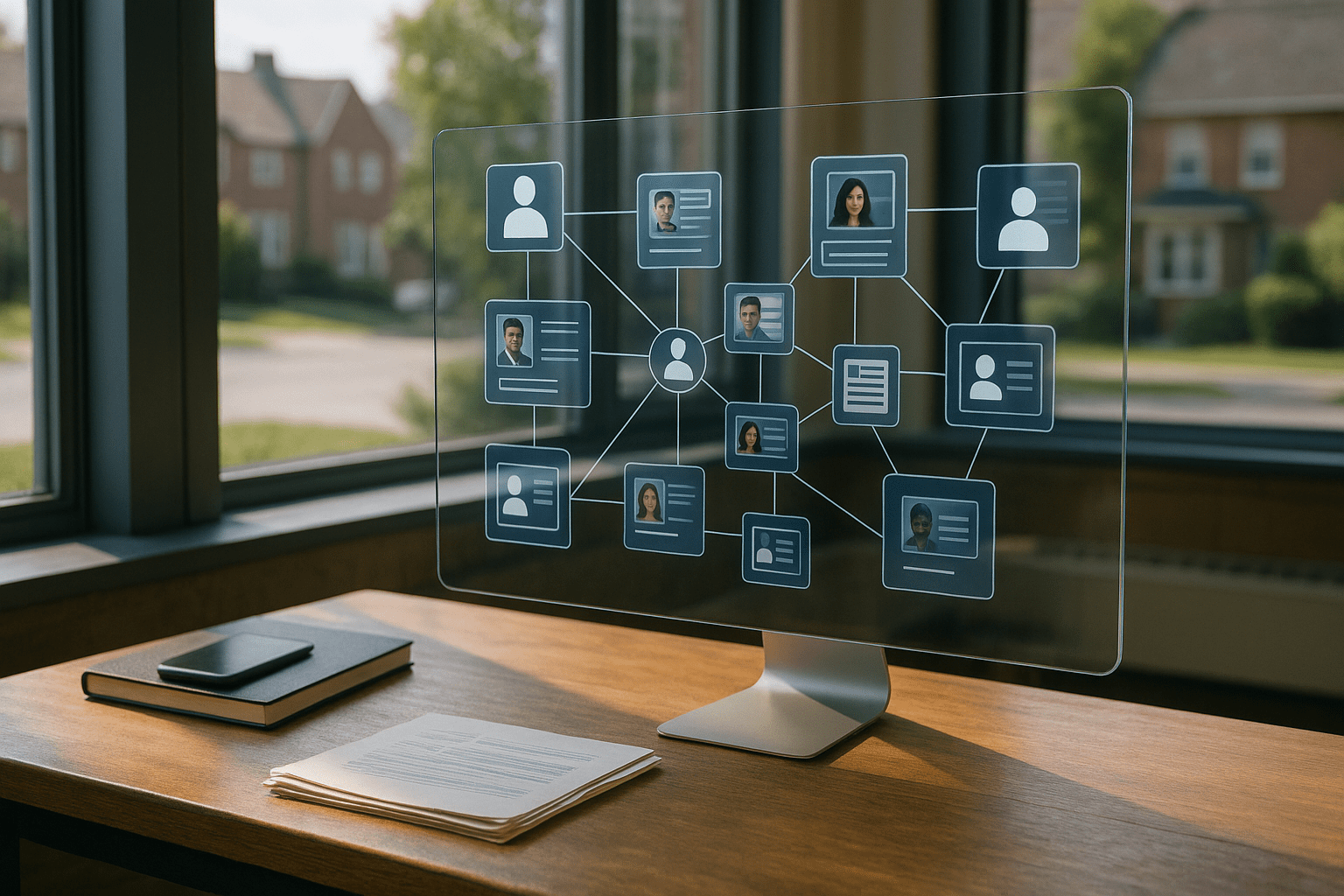
In recent years, a significant transformation has emerged in the interplay between public data and social networks. Technology’s expanding capabilities enable these traditionally separate realms of information to be cross-referenced, revealing a richer, more intricate profile of individuals than public records alone have ever provided. This melding of data sources offers new avenues for identity verification but also introduces a set of fresh questions about accuracy, privacy, and the social implications of data fusion.
Unfolding Layers Beyond Traditional Documents
Public records have long served as a foundation for confirming identity through sources like birth certificates, property deeds, court records, and professional licenses. These documents are managed by government entities and present a relatively fixed snapshot of a person’s official history. However, they often lag behind real-time changes and may omit the subtleties of daily life.
Enter social networks, with their dynamic streams of information such as connections, updates, photographs, and location tags. Platforms like Facebook, LinkedIn, Twitter, and Instagram contribute contextual textures that public records rarely capture. A LinkedIn profile may echo official employment dates, yet Instagram activity can provide clues about community involvement or personal interests that are not formalized elsewhere. By linking these diverse pieces, companies offering people search or background checks can generate identity portraits that feel more layered and immediate.
This convergence reflects a broader pattern where identity today is less about static documents and more about the interplay between government records and the digital footprints people leave behind as they engage online. The blending process is not seamless, but it is shaping how private and public sectors approach understanding who someone is beyond a name and date of birth.
Shifting Practices in Identity Verification and Screening
The fusion of public records with social network data is directly altering operational practices in fields like housing, employment, and finance. Where rental agents traditionally leaned on property records and credit reports, they increasingly glance at publicly accessible social media posts to better gauge a potential tenant’s neighborhood fit or lifestyle. Employers, beyond verifying resume claims, may review social postings to discover inconsistencies or warnings that formal documents cannot reveal.
Underneath this shift lies a web of automated technology. Software applications crawl multiple data repositories simultaneously, matching identifiers such as names, birth dates, addresses, and known associates. With machine learning, these systems refine connections over time, growing more precise in deciding which records belong to the same individual based on overlapping details. In other words, technology is scaling human pattern recognition, scanning thousands of pieces of data swiftly and continuously.
These developments create efficiencies but also present challenges around fairness and transparency. Questions arise about what extent of social information should influence background decisions and how mistakes in linking data could unfairly affect people’s lives.
The Complexities of Accuracy and Privacy in Data Melding
Combining public records with social media insights is a double-edged sword when it comes to reliability. While the additional layers add context, they also introduce potential distortions. People often curate online identities that highlight positive aspects and filter out less flattering details. Public documents might contain outdated information or errors that have not been corrected. Such conflicts can produce contradictory or misleading pictures if data is not critically evaluated.
Privacy considerations compound these challenges. Many users do not anticipate that their casual interactions or posts on social platforms might be aggregated alongside official records into detailed profiles accessible by businesses or third-party services. This phenomenon raises concerns about informed consent and data stewardship. Advocacy groups have called for heightened transparency and stricter guidelines governing the collection, matching, and usage of these interconnected data sources.
For individuals, this evolving landscape demands greater awareness of how public and social data converge. It is increasingly important to understand what information is visible and how it might factor into decisions made by landlords, employers, or others conducting identity verification.
Technology’s Future Role and Society’s Response
Artificial intelligence and advanced analytics promise even deeper integration of public and social data streams. These tools will likely accelerate identity verification processes while uncovering patterns previously hidden in isolated databases. Yet advancing technology also means society must grapple with the ethical dimensions of expanded data linkage.
Legal systems are under pressure to update regulations aimed at ensuring that individuals retain meaningful control over their personal information. Organizations deploying these technologies must balance the benefits of comprehensive profiles against the risks of erroneous or intrusive data use. Identity today is not simply a matter of matching a record to a person but understanding a continually evolving digital presence shaped by official documents and social interactions alike.
Those interested in exploring the finer points of privacy and data use can look to resources like the Federal Trade Commission’s privacy guidance, which lays out principles for protecting consumer information in the online world, or the Privacy Rights Clearinghouse’s consumer guides, which offer practical advice and education around data protection.
The rise of data amalgamation between public records and social footprints is a profound shift that reflects ongoing changes in how identity is understood and verified. Observing how technology advances alongside evolving social expectations reveals the nuanced balance required to navigate the digital age responsibly-where transparency, accuracy, and respect for privacy must hold equal weight.
Sources and Helpful Links
- Federal Trade Commission’s privacy guidance – Official information on consumer privacy protection in the digital space
- Privacy Rights Clearinghouse – A consumer resource for understanding privacy and data use
- LinkedIn help center – Details on managing and understanding user data on a major social network