When Privacy Meets Transparency in Public Records
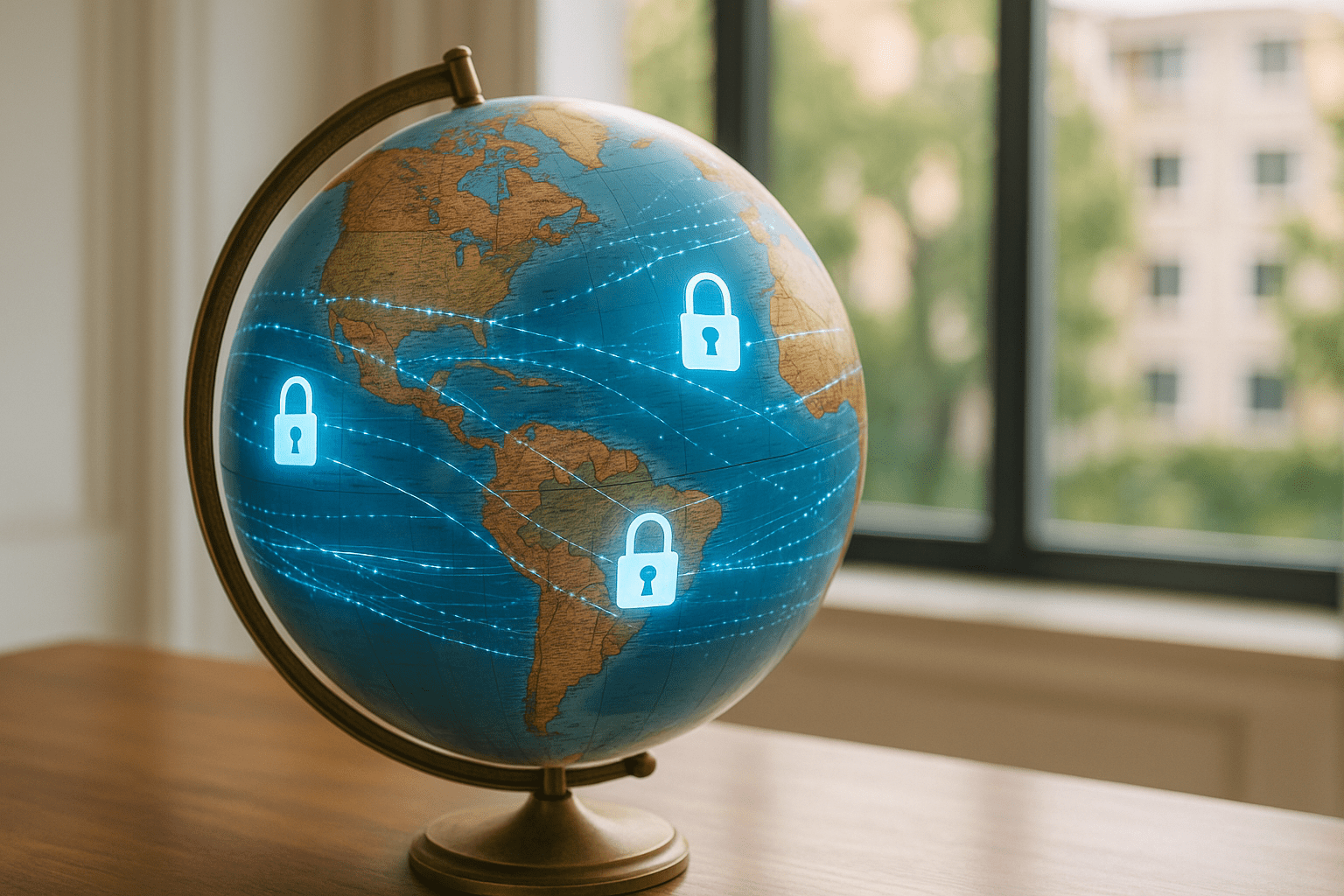
Public records continue to serve as a vital channel for transparency in society. People use them to confirm identities, uncover histories, or hold public institutions accountable. However, the rise of privacy concerns and the introduction of new laws have generated notable differences in how these records are accessed around the world. These laws influence not just who can view information, but also what is captured, how it is stored, and the procedures involved in gaining access. Examining these variations reveals a delicate negotiation between the public’s right to know and safeguarding personal data.
Some parts of the world clearly emphasize open access, adopting broad laws that promote accountability in government and commercial dealings. Others take a more protective stance, imposing restrictions on which details can be disclosed, limiting who can request them, and regulating their use after release. These disparities often mirror a region’s unique blend of legal traditions, culture, and history.
The Patchwork of Legal Standards and Their Practical Effects
The United States provides a prominent example where laws like the Freedom of Information Act (FOIA) and numerous state-level statutes aim to maximize access to government-held information. Yet these laws also carve out exemptions to protect privacy, such as with medical records, financial details, or sensitive criminal justice data. This creates a filtering mechanism that limits public exposure of certain information. The way state governments interpret and enforce these provisions varies significantly, resulting in a network of differing rules instead of one consistent national standard.
Across the Atlantic, the European Union’s General Data Protection Regulation (GDPR) takes a contrasting approach. By imposing comprehensive restrictions on personal data processing, it affects public records access with greater rigor. Entities responsible for maintaining records must carefully justify disclosures, respect individual data rights, and follow strict protocols before sharing information. This often leads to more limited access compared to regions with fewer privacy controls. The GDPR reflects a broader societal valuation of individual control over personal information rather than unrestricted openness.
Countries such as Canada and Australia occupy middle ground with their systems. They offer laws granting public records access but embed privacy safeguards that vary in complexity and enforcement from place to place. These distinctions influence common activities like background screenings, ancestry research, or professional verification, sometimes making processes more cumbersome or opaque depending on the jurisdiction.
How Privacy Laws Shape Types of Public Data Available
The influence of privacy legislation becomes clear when looking at the kinds of data routinely accessible. Basic facts like addresses, phone numbers, and birth dates might be public in certain areas but are treated as sensitive and withheld entirely in others. Court documents, which historically represent a significant portion of public information, are often heavily redacted or protected by procedural barriers that differ widely.
Digital records have added new dimensions to this dynamic. The surge in electronic databases and online portals has happened alongside stricter privacy regimes, leading to layered restrictions on data sharing. Record custodians frequently find themselves negotiating compliance with multiple overlapping laws, sometimes erring on the side of caution by limiting detail or requiring formal requests rather than offering instant online accessibility. This real-world complication affects the completeness and ease of using public records in different locales.
Bearing on Everyday Uses of Public Records
The interplay between privacy protections and disclosure rules can deeply impact everyday users. Whether someone is searching for a lost relative, checking the background of a potential tenant, or verifying credentials for work, they may encounter widely varying hurdles. Information readily available in one jurisdiction might be heavily guarded in another, causing confusion and operational difficulties. These disparities also affect businesses relying on comprehensive, trustworthy information for decisions around hiring, lending, or partnerships.
Concerns extend beyond initial access toward the management of data after retrieval. Many privacy laws restrict how obtained information can be reused or redistributed. These constraints serve to protect individuals from identity theft, profiling, and other risks from excessive data sharing. For users navigating these waters, understanding both the legal landscape and practical limitations can be challenging but essential for responsible record use.
Observing the Future of Public Records and Privacy
Technology and evolving societal perspectives continue to remodel the interface between public records and privacy. Developments around digital identity, data portability, and new privacy frameworks indicate an ongoing negotiation. Jurisdictions are expected to persist in adjusting their access laws to balance transparency with individual rights. This means that the rules governing public records today will likely be neither uniform nor static.
For anyone interested in public records, staying informed about legal reforms, shifts in institutional practice, and technological changes remains critical. While complexity and variation pose hurdles, they also reflect deep questions about privacy and openness in a data-driven world. Trusted resources including government portals explaining local policies, advocacy groups highlighting regulatory updates, and independent platforms promoting transparency within legal boundaries can offer valuable guidance.
The conversation around public records and privacy is not simply about limits or freedoms but about how societies choose to value individual control and collective knowledge at once. Observing privacy law’s impact on public records provides insight into regional priorities and evolving norms, illustrating that this intersection is both a legal terrain and a cultural reflection.
Sources and Helpful Links
- FOIA.gov – Official resource on the Freedom of Information Act and public records in the US
- European Commission Data Protection – Overview of the GDPR and privacy rules in Europe
- Office of the Privacy Commissioner of Canada – Guidance on privacy rights and access to information in Canada
- UK National Archives – Information on UK public records access policies
- Australian Privacy Foundation – Advocacy and explanation of privacy law in Australia