The steady unfolding of privacy laws over recent years has drawn renewed attention to a storied category of public records: marriage and divorce documentation. Once widely available and routinely included in public searches, these records now face increasing scrutiny regarding who can access them and under what circumstances. Looking at these changes reveals a nuanced tug of war between upholding transparency and protecting individual privacy in the legal realm.
Echoes of Privacy Enter Family Legal Records
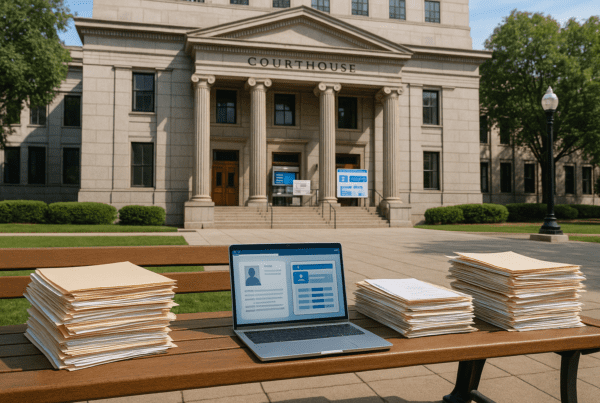
For decades, marriage and divorce records sat among the most accessible records in the public domain, listed openly in county courthouses or state registries. Researchers, genealogists, and curious individuals could easily pull histories of unions and separations. However, the rise of comprehensive privacy laws-designed initially to cover financial details, medical histories, and sensitive personal data-has gradually crept into the domain of family law records, reshaping what is visible and how much identity protection is warranted.
The trajectory of this shift often begins with broad data protection principles embedded in frameworks such as the California Consumer Privacy Act or the European Union’s GDPR. While not targeted specifically at marriage or divorce records, their expansive definitions of personal information have encouraged legal entities to reevaluate how these records are stored and disclosed.
Balancing Act: Public Interest Versus Personal Confidentiality
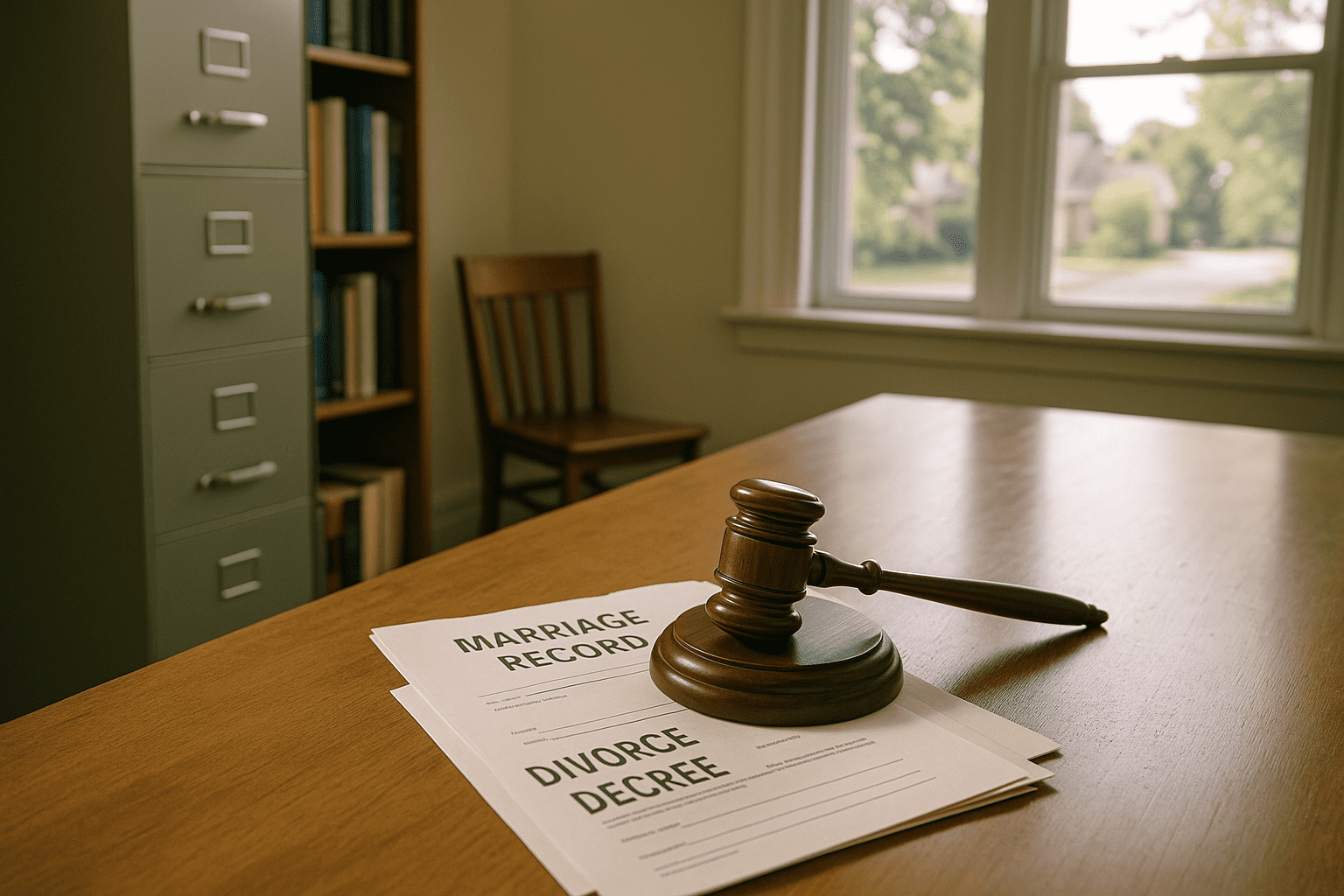
Marriage and divorce records sit at a curious crossroads where personal privacy clashes with the public’s legitimate interest in access. On one hand, these documents form critical evidence in legal, historical, and genealogical research. On the other, they contain sensitive details-dates, names, and potentially personal circumstances, including grounds for divorce-that individuals might prefer to keep shielded.
Newly enacted or amended laws tend to introduce limitations on who may view these records without prior consent or a valid judicial purpose. For example, several jurisdictions now require requesters to prove a direct interest or relationship-sometimes known as a “permissible purpose”-before granting access. This narrows the scope dramatically from the historic norm where anyone could request records without justification.
Moreover, some states have adopted a tiered access system that allows limited information to be searched publicly, such as names and dates, while restricting more detailed information, including financial settlements or reasons for a divorce, to authorized parties only. This segmentation of access reflects ongoing experimentation with how to protect privacy yet preserve utility.
Technology and Administrative Adjustments
The digital age has bolstered expectations around easy access to public records but also raised alarms about mass data scraping and identity misuse. Marriage and divorce records, when fully exposed online, can become fodder for identity theft or harassment if not carefully managed. To reconcile these issues, clerks’ offices and record keepers have implemented authentication layers, multi-step verification, and encrypted databases, limiting the availability of complete records to the general public.
This technical response also incorporates subtle but meaningful policy changes. Several states have started offering redacted versions of records or partial access via online portals, giving users a glimpse of information without revealing sensitive content. Another approach includes time-bound privacy holds where recent records are kept confidential for an initial period before becoming publicly accessible, acknowledging evolving privacy concerns as information ages.
Variations by State and Legal Tradition
Because marriage and divorce records fall under state jurisdiction in the United States, the impact of privacy laws varies widely across the country. Some states maintain fully open records, emphasizing transparency and historic accessibility. Others have imposed stringent requirements for access, especially in states that incorporate more progressive privacy codes or have responded proactively to identity concerns.
These inconsistent practices leave researchers and interested parties navigating a complex patchwork. One’s ability to retrieve a record can depend on geography, the agency holding the record, and the specific statute in place. For example, in states such as New York and California, greater restrictions have been layered on due to state privacy laws, compared to others where records are still readily searchable.
In all cases, sensitive information like Social Security numbers, financial agreements tied to divorce, and detailed personal addresses are being increasingly withheld or redacted to meet privacy standards. These trends underscore an evolving recognition that personal data within family law records demands a different kind of stewardship than in years past.
The Broader Implications for Public Records and Personal History
Looking beyond the immediate legal frameworks, the changing availability of marriage and divorce records speaks to a broader cultural conversation about public information. While the public record has long been a cornerstone of transparency and accountability, the shifting climate places more weight on personal dignity, data security, and digital footprint concerns.
These privacy laws suggest a future in which public records, especially those touching intimate life events, become selectively accessible, carefully curated, and more controlled. At the same time, this means the research and verification processes used by genealogists, journalists, and legal professionals are evolving. They increasingly rely on official verification channels or authorized access requests rather than open database searches.
The balance between openness and privacy will likely remain dynamic, influenced by technological advances, legislative updates, and cultural values related to personal data. For anyone working with marriage and divorce records, this means recognizing a landscape where traditional openness is softened by privacy concerns, requiring a thoughtful approach to accessing and interpreting these documents.
Understanding these trends, supported by official state guidance and judicial rulings, offers a foundation for navigating the nuances quietly shaping one of the most personal and historically available sets of public records.
For more on public records and privacy impacts, resources like the National Conference of State Legislatures provide an overview of varying state laws. The USA.gov page on vital records offers a centralized hub for understanding marriage and divorce records access. Meanwhile, National Archives Genealogy Resources point to public record standards important for researchers balancing privacy with public availability.
Each new law or policy shift is a reminder that public records are not static articles fixed in place but living documents shaped by society’s evolving understanding of identity, privacy, and access.
Sources and Helpful Links
- National Conference of State Legislatures – A detailed overview of state privacy laws affecting public records.
- USA.gov Vital Records Portal – Official government information on obtaining marriage and divorce records.
- National Archives Genealogy Resources – Guidance on public records and genealogical research balancing privacy concerns.