
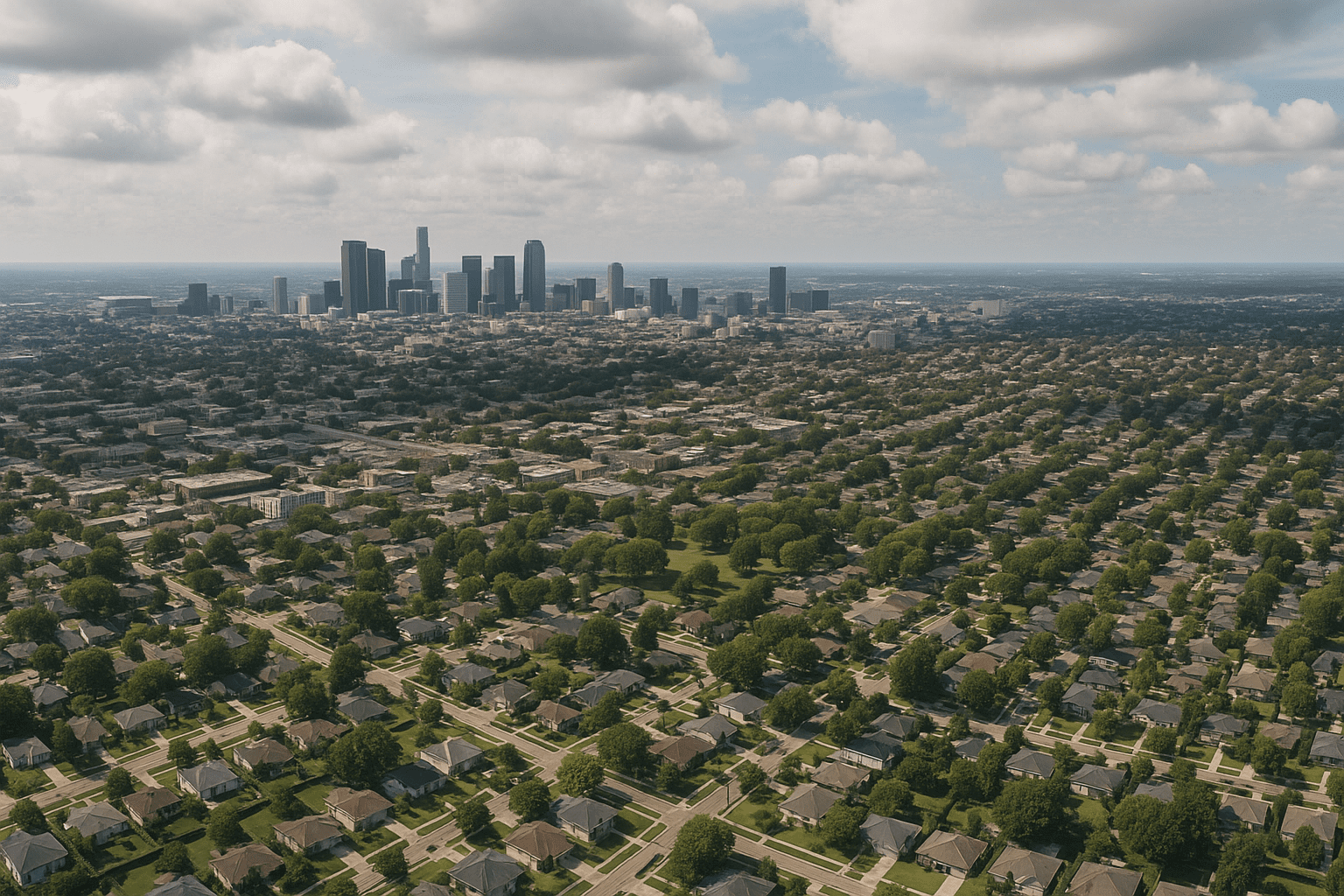
Across the past decade, shifting tides in migration have been quietly etched into the steel and pavement of urban centers and the quieter streets of suburban neighborhoods. Public data, stretching from census records to property transactions and address changes, offer a revealing window into how, where, and why people decide to relocate. Observing these patterns reveals not just numerical shifts in population but a story of lifestyle choices, economic pressures, and broader societal trends playing out on the ground.
The evolving appeal of city living fades and resurges
Urban areas have long been magnets for those seeking dynamic job markets, cultural scene richness, and the convenience of close-knit amenities. The density of population, while sometimes seen as a drawback, often fosters social and economic vibrancy. However, public data collected over years illustrates fluctuations in the allure of cities. Population growth spikes in downtown districts have sometimes given way to periods of stagnation or even decline, with external factors like rising housing costs or global events nudging residents outward.
For example, property record trends indicate that cities with increasing housing unaffordability tend to experience a loss of middle-income households to suburban areas. Public records from places like New York City and San Francisco have pinpointed this movement clearly. Meanwhile, migration data from government census repositories demonstrate that younger adults initially flock to cities but often relocate to suburbs or smaller cities as they start families.
This does not mean urban living has lost its long-term shine. Several metropolitan centers maintain growth in cultural and employment hubs, adapting by promoting mixed-income housing and enhancing public spaces, which sustains population levels despite housing market pressures.
Suburbs gain new layers of complexity
Suburban migration has often been framed as a simple pursuit of space, safety, and better schools. Yet, the data tells a more nuanced tale. Changes in suburban demographics, commuting patterns, and property ownership reveal shifting priorities and adaptations. Records about residential sales, accompanied by address histories, show suburbs increasingly attracting diverse age groups – not just families but also remote workers and retirees seeking quieter surroundings without fully disconnecting from urban centers.
It is also notable that suburbs are not monolithic. Some sprawling suburbs closer to metropolitan hubs have evolved into mini-urban centers themselves, developing more walkable districts and public transit links. For instance, studies on suburban areas like Arlington, Virginia, or Irvine, California, indicate increasing investments in infrastructure aimed at reducing automobile dependency. Public transit usage statistics and local government planning records corroborate rising investments in suburban infrastructure, which helps explain why some residents choose these areas beyond just affordability.
Further complicating suburban life is the emergence of new community dynamics. Suburbs have become sites of cultural diversification and economic variation, challenging longstanding stereotypes of uniformity and exclusivity. Public records tracking address changes and school enrollments highlight increasingly diverse populations settling into suburbs, making these areas more varied and, in some cases, denser.
The role of remote work and technological shifts
One important recent factor visible in migration data is the impact of remote work. The COVID-19 pandemic accelerated trends already underway, providing ample data points for researchers to analyze. Address change notifications, combined with surveys and labor statistics, show an increased inclination for people to move further out from crowded urban cores when working remotely is viable.
This flexibility has allowed employees to seek less congested neighborhoods, where home prices often stretch farther and quality of life metrics such as access to green space rise. On the other hand, this shift has posed challenges for urban economies dependent on daily commuters and centralized office environments. Public transportation ridership figures and traffic data from city planning agencies provide a concrete sense of these evolving commuting patterns.
Additionally, technology infrastructure in suburbs and smaller towns has had to catch up quickly to accommodate these changes. Broadband availability, workspace design at home, and neighborhood connectivity have become crucial factors influencing the desirability of suburban migration. Data from Federal Communications Commission (FCC) reports highlight ongoing efforts to expand rural and suburban internet access in response to this demand.
Economic and demographic factors intertwined
Economic downturns and booms leave a marked imprint on migration flows. Publicly available income data, employment rates, and housing development approvals together suggest a cyclical rhythm to population movement between urban and suburban settings. Areas that successfully attract new industries or investments tend to see population surges, as seen in pockets of growing tech hubs.
Demographically, age and family status continue playing a large role. Census data illustrate that retirees often prefer suburbs or smaller towns with accessible healthcare and low crime rates, whereas younger singles and childless couples show preferences varying by lifestyle and career opportunities. These nuances are critical in understanding the long-term sustainability of urban versus suburban growth.
Finally, public records also highlight disparities in how different racial and socioeconomic groups experience migration. A holistic view shows that while some enjoy the benefits of suburban relocation, others face barriers due to credit access, discrimination in housing markets, or job availability. Such structural considerations shape the broader narrative that pure statistics may not fully reflect.
Migration is a mosaic of movements reflecting where people live, how they adapt, and how they imagine their futures. Public data, replete with address histories, economic indicators, and demographic details, reminds us migration is a tangible dialogue between individuals and place. This dialogue is shaped by forces apparent and subtle, economic trends, technological changes, and personal aspirations all converging.
Better understanding this interplay equips policymakers and planners to respond thoughtfully as urban and suburban landscapes evolve. For individuals, these patterns provide context for personal choices about where to live, balancing tradition and innovation as communities transform.
Sources and Helpful Links
- U.S. Census Bureau – Comprehensive demographic and migration data across urban and suburban areas.
- U.S. Department of Housing and Urban Development – Reports on housing trends, affordability, and community development.
- Bureau of Transportation Statistics – Data on commuting patterns and public transit usage across regions.
- Federal Communications Commission – Information on broadband access and infrastructure investments.