
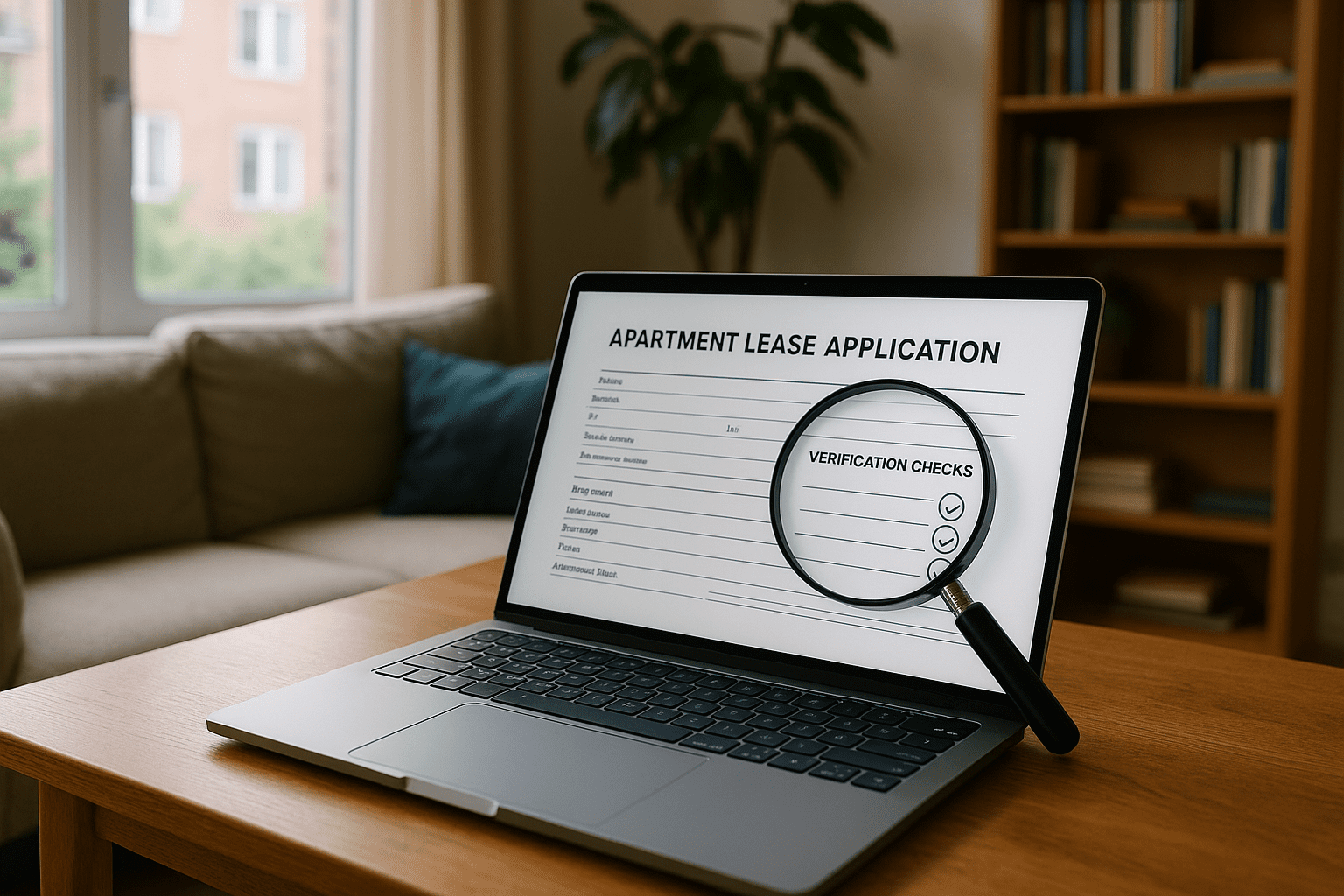
Doors Wide Open and Questions Left Unanswered
The rise of online rental applications has undeniably changed the way people find homes. What once required in-person visits and paperwork stacks now happens at the click of a button, often from the comfort of a phone or laptop. This ease has transformed the rental landscape, yet brought with it a growing vulnerability. Without the chance for face-to-face interaction, the risk of fraud has expanded, posing serious challenges for landlords, property managers, and hopeful tenants.
Fraud in this space often begins simply, with copied IDs or fabricated employment histories. Landlords managing multiple properties or handling applications remotely can find it difficult to spot these falsehoods without a firm verification strategy in place. At the same time, tenants risk their personal data being mishandled or falling for fake listings that disappear after money changes hands, leading to financial loss and stress.
Layers Reveal More Than Surface Truths
Verification is rarely a single action; it is more like peeling back layers to find what is genuine underneath. Confirming identity is just the start. Income verification, previous landlord references, and sometimes background checks all build a fuller picture. Beyond that, many online rental platforms have integrated automated tools that cross-reference applications with credit bureaus, public records, and employment databases.
This multi-layered approach does more than catch simple inconsistencies. For instance, if an applicant states income from a company that does not appear in official records, this discrepancy raises red flags quickly. Matching a social security number against government databases can also weed out fake identities before a lease is ever signed. Bringing technology together with human judgment strengthens confidence for both landlords and renters as they navigate these digital transactions.
Humans Spot What Machines Might Miss
No matter how sophisticated verification technology becomes, the human element remains essential. Seasoned property managers look beyond a yes or no from automated systems. They are attuned to subtle indicators such as unusual document formats, gaps or inconsistencies in rental histories, or odd employment timelines. Such observations can lead to deeper investigations that prevent scams before they take hold.
On the renter side, education about common fraud schemes is equally important. Online rental sites increasingly offer warnings about phishing attempts or impersonation tricks designed to steal money or data. When tenants understand these risks and learn how to verify listings, they become active participants in their own protection, creating a safer rental environment overall.
A Delicate Balance With Privacy
Verification inevitably involves sensitive personal information. Collecting data like social security numbers, credit details, and income requires careful handling. Compliance with laws such as the Fair Credit Reporting Act is a must to ensure data is used properly and securely during the process.
This tension between demanding thorough checks and respecting privacy is a fine line. Overly invasive procedures risk deterring trustworthy applicants. Conversely, weak verification simply invites fraud and damages trust in the market. The best systems operate transparently, clearly communicating how data is used, securing consent at each step, and protecting information against misuse.
The Path Ahead in a Growing Digital Market
As digital rental platforms continue to expand, the importance of verification will only increase. These processes establish credibility when landlords cannot meet applicants personally. Trust in the data gathered allows landlords to make informed decisions, potentially avoiding costly evictions, legal battles, or gaps in rental income triggered by fraudulent tenants.
For renters, an effective verification system means smoother applications and less anxiety about scams. The future of rental applications appears headed toward a blend of technology and human insight working together, maintaining a balance between protection and privacy for all parties involved in securing a home.
More insights into these challenges and pragmatic responses are available on the Federal Trade Commission’s rental advice page, which offers practical tips on spotting fraud and protecting personal data. Those seeking legal context can refer to Nolo’s guide on rental housing fraud, which provides detailed explanations of various scams and legal remedies. Additionally, credit bureaus like Experian’s advice for detecting rental scams outline practical verification steps for tenants and landlords alike, grounding the conversation in real-world experience.
Patterns That Suggest Fraud Are Often Subtle
Understanding how fraud manifests in rental applications helps explain why verification requires more than surface checks. Patterns like repeated use of a single phone number across different identities or the presence of multiple applications from the same IP address might indicate scam activity. Sometimes fraudulent actors use stolen identities, making it crucial to verify not only documents but also cross-check the context around the applicant’s details.
Verification tools that look at relational data-how records connect across public sources-can help flag suspicious patterns. Linking an applicant’s name to multiple addresses in an implausibly short timeframe or inconsistencies between declared income and lifestyle indicators create warning signs. While these indicators do not confirm fraud on their own, they point to areas needing further scrutiny.
Technology Is a Double-Edged Sword
The same technology facilitating convenience in online rental applications sometimes aids scammers, too. Sophisticated fraudulent documents, including digitally manipulated IDs and counterfeit pay stubs, have grown more common. Likewise, phishing campaigns targeting renters involve emails or messages that appear authentic but lead to fraudulent sites designed to steal money or information.
This dynamic keeps pushing the verification process to evolve. Landlords and platforms require not only automated checks but also updated training and detection features that recognize emerging scams. Collaboration between industry groups, sharing of data about known fraud trends, and ongoing education for both landlords and renters build collective resilience.
When Verification Becomes a Shared Responsibility
The rental market involves multiple stakeholders, making verification a shared responsibility rather than a task for landlords alone. Property owners benefit when platforms and third-party services offer trustworthy tools and support. Meanwhile, tenants who verify listings and maintain caution contribute to reducing fraud overall.
Encouraging renters to report suspicious listings or experiences helps create feedback loops that improve system accuracy and responsiveness. Some online portals now include user reviews or verification badges on listings, adding social proof and accountability. This community aspect strengthens the rental ecosystem by raising awareness and encouraging transparency.
A Landscape Still in Motion
Online rental verification is a field still evolving as technology advances and fraudsters adapt. It requires continuous vigilance, flexible systems, and clear communication. While no process can guarantee absolute protection, the combination of layered verification, human assessment, privacy protections, and tenant education forms a robust barrier against the majority of fraudulent attempts.
Understanding these evolving methods and remaining observant about how information is collected and used is essential for anyone involved in today’s rental market. Although challenges persist, verification remains the cornerstone of safer renting, fostering trust and helping ensure that digital convenience does not compromise security.
Increasingly, resources from governmental, legal, and credit reporting institutions provide useful guidance, helping all parties keep pace with changing realities in online rentals. This careful blend of technology, human insight, and responsible data use makes the modern rental process not just faster but fairer and more trustworthy for everyone.
Finding the Right Balance for Better Homes
At its core, rental verification is about more than simply preventing fraud. It is about creating an environment where landlords and tenants feel assured that their mutual commitments are backed by reliable information. Achieving this balance is vital for healthy rental markets that support both fairness and safety.
For landlords, this means making decisions rooted in verified facts rather than speculation or guesswork. For renters, it means entering agreements with confidence that their rights and finances are protected. Verification processes that combines technology with careful human judgment and respect for privacy offer a path toward that goal.
As online rental application methods continue to reshape how we find homes, embracing strong verification practices will shape not only successful transactions but communities built on trust and shared responsibility.
Sources and Helpful Links
- Federal Trade Commission’s rental advice page, practical tips on rental fraud and consumer protection
- Nolo’s guide on rental housing fraud, legal insights into common scams and remedies
- Experian’s advice on detecting rental scams, practical verification tips for tenants and landlords
- FTC blog on online fraud trends, context on evolving scams during increased digital activity
- Consumer Reports on online rental scams, identification and prevention strategies for renters