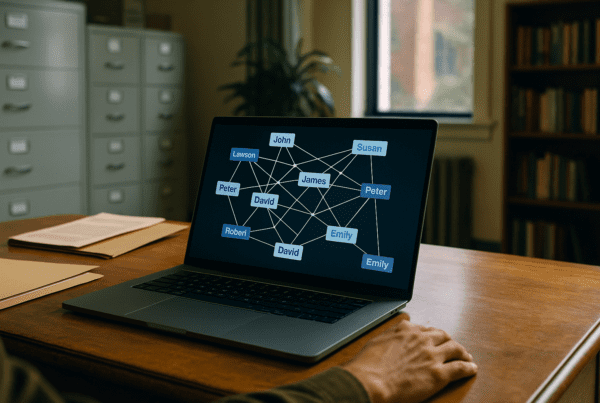

In the tangled web of digital identity, the traces we leave behind shape much more than a social media profile or search result page. Over time, people have become more aware of their digital footprints and the ripple effects those digital records can have on personal and public domains. The concept of digital footprint management has shifted from being a concern mostly for tech-savvy users or brands to a widespread practice with implications that extend into public records and their accuracy.
The traces we unintentionally leave
Every online interaction contributes to a broader mosaic of personal data. From social networks to online purchases and public comments, these footprints accumulate in databases that public record systems – or derivative services – may consult or index. This happens whether someone actively manages their presence or not. The accumulating information creates a challenge for public records systems, which rely on comparatively static snapshots of data related to names, addresses, court filings, and business registrations.
When online data sources present conflicting or outdated details, public records can unintentionally reflect inaccuracies that stem from unmanaged or poorly synchronized digital footprints. For example, a change in address posted on a private website or social media may not immediately update in official records but could confuse automated people search systems. This imperfect overlap reminds us that public records are interconnected with digital traces but do not exist in isolation.
How deliberate management reshapes the record landscape
With increasing concerns about privacy, reputation, and identity theft, more individuals take steps to curate and control what information about them circulates online. Digital footprint management efforts can include using privacy settings, removing or masking personal data, or even employing services dedicated to correcting or supplementing public record errors.
This active management tends to improve the accuracy of publicly accessible data in some cases. When people update their contact information across multiple platforms or work with data removal services, the changes often propagate to official record users who aggregate this data. On the other hand, attempts to manipulate or obscure data can introduce complexities, especially if different sources end up with conflicting versions of a person’s details.
Such dynamics highlight a tension: maintaining privacy and control versus preserving clear, reliable public records. For public agencies and services like the Federal Communications Commission’s consumer privacy guidelines, ensuring that records remain as accurate and transparent as possible is a continuing concern.
Rethinking accuracy in a hybrid digital-public record era
Public records have long stood as foundational elements for identity verification, background checks, research, and countless official transactions. Now, as these records increasingly integrate digital data, the notion of accuracy starts to stretch beyond simple factual correctness. It encompasses timely updates, reconciliation of conflicting information, and the broader context in which data is used.
In this environment, digital footprint management plays a dual role. It can aid in keeping records current, especially when individuals actively provide updated information, and it can also muddy waters when efforts to curate or conceal information create gaps or contradictions. This interplay becomes apparent in practical contexts like property ownership verification or employment background checks, where small discrepancies can slow processes or cause misunderstandings.
Services such as PersonZoom illustrate how a sensitive, multifaceted approach can help clarify these links. By aggregating various public and digital sources and providing transparent context, such platforms strive to make sense of the flux and inconsistency that can arise from patchy footprint management.
Looking beyond the data points
There is an enduring lesson here about the human side of digital records and public data. While technical measures and legal frameworks provide some guardrails for accuracy and privacy, the everyday behaviors and choices of individuals largely steer how digital footprints evolve and touch public records.
Watching these developments unfold, one comes to appreciate that managing a digital footprint is both an exercise in self-presentation and a negotiation with the ecosystems of information we contribute to, often without full visibility. The reality of public records accuracy, then, is less a fixed state than a collective, ongoing dialogue between personal agency, technological systems, and societal expectations around transparency.
For those curious about the evolving interplay between digital footprints and public records, staying attentive to official guidelines, understanding the capabilities and limitations of data services, and acknowledging the nuanced effects of personal data management seem crucial steps forward.
Ultimately, this landscape reminds us how deeply intertwined our digital traces have become with the formal structures of public information, shaping what others see and how history records our identity.
Exploring more about digital privacy, public records, and identity management through trusted resources can bring further clarity. Topics of interest include federal privacy guidelines, practices around data accuracy, and advancements in record linkage algorithms-all key to understanding how footprints influence records.
The unpredictable future of footprint and records accuracy
As technology and data regulations evolve, the challenge to keep public records accurate amid expanding digital footprints continues to change. Predictive analytics and machine learning promise better data reconciliation, but they also introduce new complexities around bias and transparency. The nuanced dance between personal data control and public record reliability is unlikely to resolve neatly anytime soon.
Those who interact with or rely on public records should remain aware that behind every record lies a web of digital traces varying in completeness and control. Approaching these records with a measured appreciation for the ongoing work to manage digital footprints helps maintain patience and perspective when discrepancies arise.
As communities, agencies, and individuals grapple with these realities, this evolving landscape offers many lessons about identity, privacy, and the record of our digital lives.
For readers interested in deepening their understanding, exploring how privacy policies shape data sharing or how public records are collected helps contextualize this evolving relationship between people’s online presence and official data.
In the end, digital footprints are less ethereal than once thought. They actively shape the accuracy and perception of public records one search or inquiry at a time.
Managing these footprints thoughtfully influences not only personal digital identity but also the broader public record ecosystem we all inhabit.
Reflecting on this complexity underscores the importance of ongoing dialogue about privacy, accuracy, and data responsibility in an increasingly connected world.
Real-world practices and emerging standards will continue to shape how reliable public records remain as digital footprints grow and shift.
The journey toward better integration of personal data management and trusted public records is quietly underway, affecting lives and legacies in ways both subtle and profound.
Understanding this helps all of us navigate the realities of identity and information in today’s digital landscape.
For more context around these issues, consulting information from federal agencies, privacy education resources, and public records experts provides grounding in the facts and frameworks shaping this important topic.
It is a conversation that touches everyone with any presence online, reminding us that how we manage our footprints matters far beyond the screen.
Whether for reconnecting with someone, verifying a background, or simply staying informed, the accuracy of public records remains tethered to the digital traces we deliberately or inadvertently produce every day.
This ongoing connection invites reflection on how individuals and institutions together can shape trustworthy records that serve society fairly and effectively.
Emerging challenges and solutions will continue to deepen this relationship, keeping digital footprint management as more than just a personal concern, but a collective responsibility in the modern information age.
With these observations in mind, the evolving story of digital footprints and public records is one to watch and consider carefully in all aspects of life that touch data.
As the landscape shifts with new policies, technology, and cultural attitudes, the accuracy of public records will remain inseparable from the footprints left in the digital world.
Each step toward better management not only improves personal privacy but enhances the trustworthiness of the records that define public identity.
In this complex, ongoing interconnection, attention and care in digital footprint management are quietly reshaping how society views and relies on public information.
It is an experience shared across generations and backgrounds, reflecting a new chapter in how identity, memory, and truth interact in a connected age.
For anyone researching, verifying, or simply curious, understanding the impact of digital footprints offers a clearer lens on the realities beneath public records.
And in that clarity, a more informed and balanced approach to digital identity and privacy begins.
Resources for deeper insight
To navigate these complexities, several resources provide authoritative, ongoing perspectives on privacy, digital footprints, and public records accuracy. The Federal Trade Commission’s privacy and identity sections reveal current regulatory and consumer protection trends. Educational websites like Privacy International offer valuable insights on managing personal data responsibly. Public record aggregators such as US Government Releases provide transparency around the official side of data management.
Collectively, these help illustrate the evolving landscape at the intersection of our digital footprints and the public records that shape so much of modern identity.
Being aware, thoughtful, and engaged with these realities forms part of a practical and necessary approach to living in an interconnected data age.
For the cautious and curious alike, the story of digital footprints and public records is a field that continues to unfold with profound personal and societal effects.
Understanding its nuances offers a valuable perspective on how information travels from the private to the public, shaping the records we all depend on for trust and knowledge.
This reflection invites ongoing curiosity and care around the ways digital identity is managed and recorded in an era of constant change.
It underscores a quiet but vital part of digital life that touches everyone connected online in subtle but meaningful ways.
As we watch this relationship grow and evolve, the story remains both practical and profound, weaving together the threads of personal agency, technological progress, and collective record keeping.
Far from abstract, it is a story binding us all to the footprints we leave and the records that follow.
Sources and Helpful Links
- Federal Communications Commission consumer privacy guidelines, a federal resource explaining basic data privacy protections.
- PersonZoom, a platform focusing on aggregating public records and digital data for clearer identity insights.
- Federal Trade Commission privacy topics, providing updates and education on online privacy and identity protection.
- Privacy International, an organization promoting responsible data management and digital rights worldwide.
- US Government Releases, a hub for accessing official public records and releases.