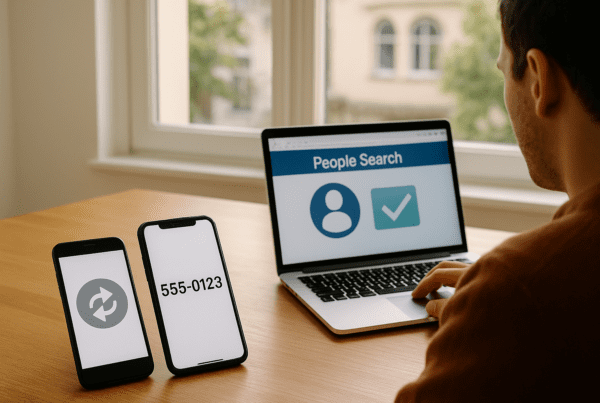

Online marketplaces have transformed commerce over the last two decades, turning what used to be small peer-to-peer exchanges into colossal networks teeming with millions of sellers. With that growth comes a greater complexity in trust. Buyers who once might have relied on simple star ratings or basic profiles are now looking for more solid assurances. Public records have quietly become an influential tool in adding these layers of trust and legitimacy to sellers’ identities.
When Profiles and Reviews Aren’t Enough
There is something fundamentally appealing about star ratings and user feedback as quick snapshots of a seller’s reputation. Still, these signals can be shallow, or worse, deceptive. Fake accounts, shill reviews, and manipulated feedback loops are known pitfalls in many large marketplaces. This can leave buyers vulnerable or unsure, especially for higher-value transactions that call for greater certainty.
The advantage public records bring is the grounding effect of official, verifiable data from sources outside the marketplace. Documents such as business licenses, incorporation filings, and professional qualifications link sellers back to real entities with established histories. Even address details and phone registrations, when cross-referenced, help confirm identity consistency. Buyers benefit from this deeper layer of transparency offering a check against fabricated or incomplete seller profiles.
Building Trust Through Transparency Layers
The idea of trust in digital marketplaces often feels fragile because so much is conducted behind usernames and avatars. Public records create an anchor, giving trust a physical dimension that goes beyond digital facades. Transparency, backed by these records, helps buyers feel less like they are navigating blind.
This has spurred many verification services in the e-commerce space to integrate public record checks into their workflow. They can flag sellers whose records show liens, ongoing litigations, or criminal histories that might not align with their marketplace image. These insights are not about instant judgments but about equipping buyers with fuller context before committing funds or personal information.
For example, a growing number of platforms use third-party screening that taps into public documents, providing badges or status markers that indicate sellers have undergone more stringent verification steps. This different class of data helps segment sellers between casual users and those with verified business backgrounds.
Uncovering Seller Patterns Through Data Layering
One revealing aspect found in public records is the patterns of behavior sellers exhibit over time. Address changes might be innocent but can also signal efforts to avoid reputation damage or reset negative feedback. Multiple business registrations or similar names linked to the same addresses may suggest attempts to skirt marketplace policies or create artificial reputations.
These patterns do not automatically result in fraud accusations but suggest areas for closer scrutiny by buyers or platform moderators. Public records thus act as a mosaic, where individual pieces alone seem innocuous but combined reveal a more nuanced reality of seller conduct.
This level of insight is hard to replicate with internal data alone, since marketplaces typically lack access to comprehensive government or third-party verification files. The external public record layer offers fresh vantage points rarely seen by end users relying on marketplace data.
Balancing Verification With Privacy Considerations
If public records are so helpful, their use must also grapple with privacy and fairness. These records are public and meant to uphold transparency, yet the context in which they are accessed matters deeply. Laws like the Fair Credit Reporting Act place boundaries on commercial use of sensitive data, especially in consumer decisions.
Marketplace operators and background check providers try to navigate these rules while still giving buyers protective tools. Responsible use involves limiting the data used to what is relevant and ensuring sellers understand how public records factor into verification. Consumer advocates warn about the risk of impartial use, emphasizing that sometimes public documents do not tell the full story or might be outdated.
The pursuit of safer marketplaces involves careful policies around data access that avoid overreach but still push sellers towards greater accountability. Transparency must accompany context to form a fair balance between seller privacy and buyer protection.
How Public Records May Shape Future Marketplace Safety
Looking ahead, it is clear public records will only become more integral to online marketplace verification. As digital commerce grows more sophisticated, relying on user-generated reputations alone will increasingly appear insufficient. Adding tangible, verifiable information about seller identity and business legitimacy helps build structured trust that can scale.
Sellers who embrace transparency and submit to verification processes supported by public data may enjoy greater buyer confidence and competitive advantage. Conversely, the strategic use of public records can discourage bad actors or transparent sellers from using multiple identities to evade scrutiny.
This shift reflects broader trends in digital trust frameworks that value multiple, complementary verification layers. While challenges around data use ethics and privacy standards remain, public records bring invaluable factual evidence to the seller verification puzzle.
Ultimately, the growth of public record checks enriches the ecosystem of trust in online marketplaces, offering users a more grounded sense of security beyond impressions left by profile text and star counts.
For further insights, the Federal Trade Commission’s guide on online marketplace fraud and the Small Business Administration’s registration resources offer useful background. The FTC’s consumer advice on avoiding fraud and legal perspectives on vetting sellers provide additional context for responsible use of public data in seller verification.
Sources and Helpful Links
- Federal Trade Commission – Online Marketplace Sellers and Fraud Overview of challenges and guidance related to fraudulent sellers and buyer protection.
- Small Business Administration – Register Your Business Information on official business registrations useful for verifying seller legitimacy.
- Federal Trade Commission – How to Avoid Fraud Tips for consumers to protect themselves from scams including those on online marketplaces.
- Nolo – Verifying and Vetting Online Sellers A legal perspective on vetting online sellers through public sources and compliance.