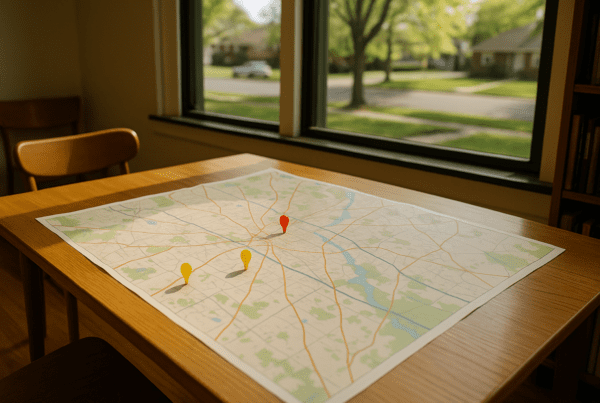
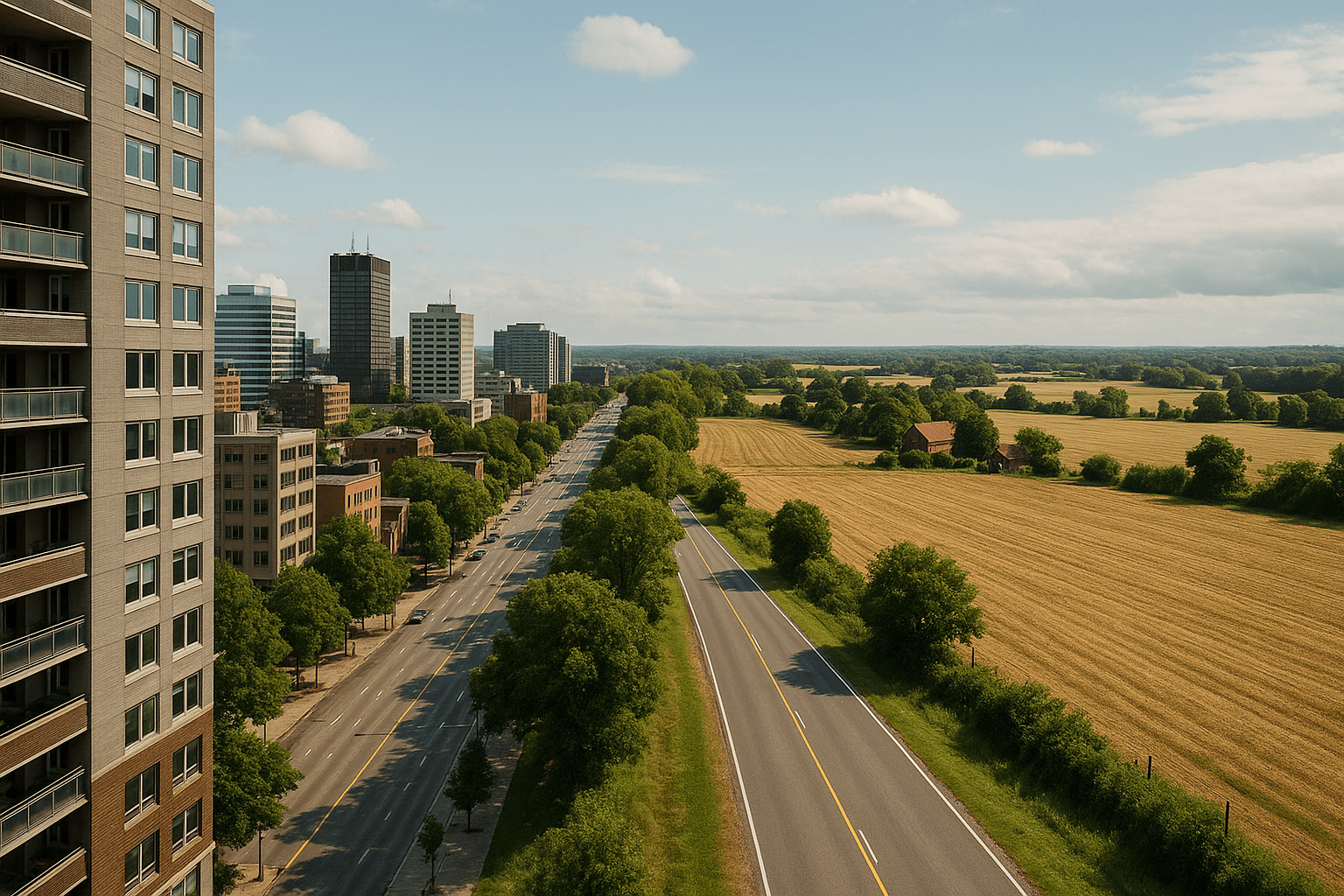
Address history forms an important part of a person27s public record footprint, reflecting not only where they have lived but often providing hints about their lifestyle, mobility patterns, and even socioeconomic shifts. Examining the patterns of address history updates offers a window into how people move and how public records capture those movements differently depending on the environment. Urban and rural areas, with their distinct living conditions and infrastructure, show contrasting behaviors in how and how often address data changes in public records.
Where Movement Becomes a Story of Data
In cities, it is commonplace for residents to change addresses more frequently, influenced by factors such as rental markets, job changes, and lifestyle choices. The density of urban living creates a dynamic environment where address updates in records tend to be more numerous and occur within shorter time frames. This leads to address histories that are often richer in data points, showing multiple locations within a relatively small geographic footprint.
Rural areas, by contrast, tend to exhibit longer durations at each recorded address. People living in these regions often stay put for many years, sometimes decades, contributing to a more static address history. The reasons are varied, including fewer job opportunities prompting relocation, stronger ties to familial land or communities, and a different pace of life that does not favor frequent moves.
Such patterns are illuminating when seen through the lens of public records or data aggregation platforms. More frequent updates in urban areas can sometimes mean increased accuracy in capturing real-time residence changes. At the same time, this dynamism presents challenges in record consolidation, where small gaps or overlapping data require careful interpretation to avoid identity confusion or misattribution of addresses.
Infrastructure and Data Capture in Different Settings
The availability and quality of public records also vary between urban and rural locales, which affects how swiftly and reliably address history updates appear. Cities tend to have more robust and frequent interactions with government agencies, utility companies, and postal services, all of which contribute to more comprehensive and timely updates. For example, municipal records often track property transactions as well as occupancy changes with relatively quick turnaround.
Meanwhile, rural recordkeeping can face infrastructural challenges. County-level data collection may happen less often, or there may be delays in digitizing paper-based records. Address changes may occur without immediate formal updates if notifications to government bodies are less consistent or if overlapping jurisdictions create gaps in data flow.
This variability has implications for people search tools and identity verification processes. When addressing histories are updated regularly and reflect actual mobility, services can provide clearer, more current profiles. Conversely, older or incomplete rural records may limit the timeliness and precision of public data snapshots.
Economic and Social Factors Reflected in Address Updates
Address changes do not exist in a vacuum; they often mirror economic and social conditions influencing mobility. Urban residents might move due to fluctuating rental prices, new job opportunities, or lifestyle changes tied to city living. Seasonal and temporary moves may also register as address updates, especially in major metropolitan hubs.
In rural communities, longer residential stays often reflect a stable but less mobile economic landscape. While this stability sometimes leads to fewer address updates, it can also result in multi-generational residency, where addresses accumulate meaning as parts of family history and local identity.
These contrasting lived experiences materialize in data trends observable through public records, where urban profiles tend to evolve rapidly while rural profiles often present as enduring over long stretches.
What Observing These Patterns Teaches About Public Data
Watching address histories unfold across different geographies shows how data reflects not only where people live but how public record systems adapt to varying degrees of change. Urban areas, with their fast-moving populations, prompt frequent record updates and consequently require ongoing efforts in data quality control to manage the volume of changes. Rural settings, with more static populations, highlight the importance of maintaining up-to-date records when changes do arise, as these updates carry significant weight.
Address history data, as stored in public records, can act as a subtle record of social mobility, economic vitality, and administrative reach. Recognizing the disparities between urban and rural contexts helps in evaluating the completeness and reliability of this data for searches, identity verification, or genealogical pursuits.
In all, these patterns remind us that public data is shaped by the rhythms of real life, reflecting complex human and administrative behaviors that differ with place and circumstance.
For those using address history in research or verification, an awareness of these patterns offers crucial context, suggesting caution in interpreting data points without accounting for geographic and social factors. This understanding enriches the narrative found within the numbers, providing a truer sense of the people behind the records.
To explore the nuances of how address data is collected and updated, resources like the U.S. Census Bureau’s geography and address resources offer insight into federal standards and practices. Additionally, tools such as United States Postal Service address lookup provide real-time verification that underscores the importance of current address data for delivery and services. Privacy considerations tied to collecting and updating such data can be further understood through portals like the Privacy Rights Clearinghouse, which offers guidance on data use and public record transparency.
These points help frame the landscape of address history updates within the larger ecosystem of public data, revealing how patterns differ yet fit within a shared system that continues to evolve.
Sources and Helpful Links
- U.S. Census Bureau Geography and Address Guidance – Details on federal standards for address data collection and documentation
- United States Postal Service Address Lookup – Real-time address verification tools and resources
- Privacy Rights Clearinghouse – Information on privacy, data use, and public record transparency