Public records searches have long relied on basic information such as names, addresses, and dates of birth to establish identities, locate individuals, or verify credentials. Over recent years, a subtle but meaningful evolution has been underway: the integration of contact data like phone numbers and email addresses into public records databases. This shift isn’t just about adding more fields, but rather about revealing new layers of connection and context behind the identities people hold in the real world.
Expanding Beyond Traditional Data Points
Walking through public records databases today, an observer can notice how phone numbers and email addresses increasingly appear alongside the usual address histories and name variants. While these contact details have been collected for decades in various contexts, the move toward aggregating and cross-referencing them within public records search platforms represents a turning point in how identity is pieced together.
One reason for this expansion is that contact data often carries a dynamic quality, reflecting changes in communication preferences, geographical moves, or shifts in social circles. A phone number might jump from one city to another or an email address might be linked to multiple online profiles, providing a thread that guides investigators across fragmented information.
Integrating contact information also brings a level of immediacy. Unlike historical addresses that may show someone lived somewhere years ago, an active phone number or frequently used email can suggest a more current or direct channel of communication – valuable for those needing to reach or verify someone promptly.
Patterns of Connection and Verification
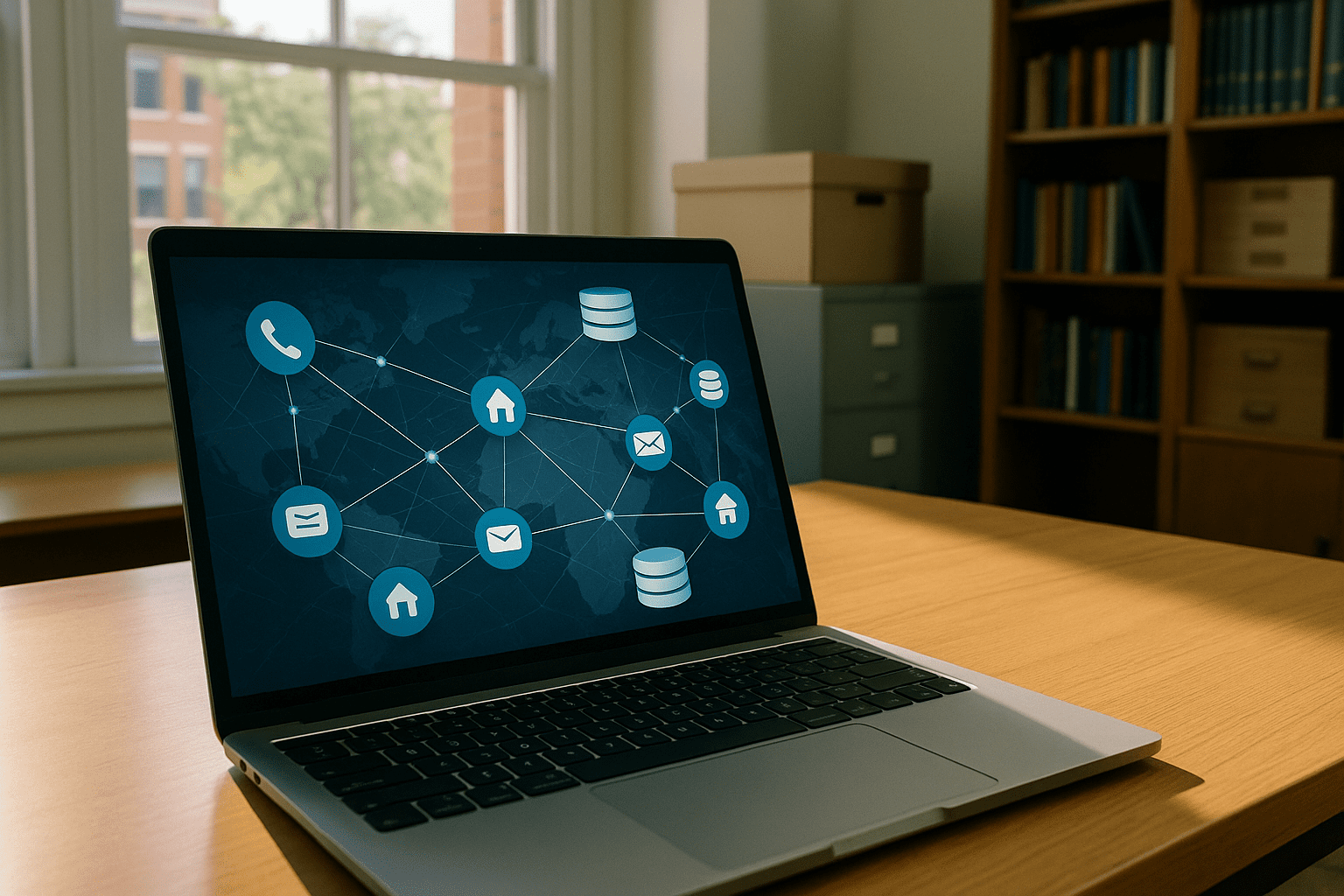
The marriage of contact data with traditional records opens up opportunities to observe deeper patterns. For example, repeated use of a phone number in different records may confirm an identity link, or an email address found across multiple social, legal, or financial documents can reveal interconnected profiles that otherwise might remain disparate.
This linking often plays a crucial role in verification. When a search includes an email tied to recent transactions or a phone number active on public-facing documents, it can increase confidence that the person in question is indeed the correct subject. Verification processes in background checks, people search platforms, and legal research benefit from this blend.
Of course, it is not foolproof. Phone numbers may be reassigned, emails abandoned, or shared by multiple people within a household, so interpreting these signals demands care and context. Observing the surrounding data-dates, related addresses, known associates-helps contextualize contact data and reduces misidentification risks.
The Impact on Everyday People Searches
For individuals conducting people searches, this integration often means richer results. Apps and web platforms compiling public data can surface multiple contact methods alongside demographic and location histories. That can be useful whether someone is reconnecting with an old acquaintance, verifying a job candidate’s identity, or researching family history.
There is a growing expectation that contact details will be part of modern public records search tools, reflecting how real-world communication now centers on digital channels as much as physical addresses. For everyday users, this shift embodies how personal information has migrated online.
Privacy considerations become more essential as contact information becomes interwoven with public records. Users of these tools must be mindful of how they handle phone numbers and emails, respecting boundaries and legal guidelines governing data usage, which vary by jurisdiction.
Regulatory and Technical Challenges Ahead
Adding contact data into public records searches introduces complexity beyond just technical integration. Regulatory frameworks such as the Telephone Consumer Protection Act (TCPA) in the United States and privacy laws like GDPR or CCPA impact how contact data can be collected, stored, and queried within public records compilations.
Service providers must navigate requirements about consent, data accuracy, and permissible uses while continuing to offer comprehensive search capabilities. There is also an ongoing push for transparency about data sources and update frequency since contact data can quickly become stale or inaccurate.
Technically, maintaining the freshness and quality of contact information demands continual cross-referencing against multiple data streams. Providers combine government filings, marketing lists, telecommunications data, and consumer reports to refine the accuracy of phone numbers and email addresses linked to identities.
Looking at the Bigger Picture
Ultimately, the growth of contact data integration is a reflection of changing communication habits, evolving data availability, and increasing user expectations for thoroughness in public records searches. It also mirrors broader societal trends like digital identity proliferation and the blending of online and offline worlds.
The expanding web of data points makes public records a richer resource and requires those using it to engage with complicated nuances around privacy, accuracy, and responsible data handling. This ongoing development encourages a more sophisticated approach to identity research, one prepared to work with multiple information layers rather than isolated facts.
This nuanced approach also lights the way for future enhancements in people search technologies. Combining traditional records with robust contact data and deeper relational linking may unlock higher levels of confidence and usefulness for users who rely on this information daily.
For those interested in how public records evolve as tools for finding and verifying people, keeping an eye on contact data integration offers a revealing lens on both opportunities and challenges in the field.
Sources and Helpful Links
- Federal Communications Commission on TCPA – Overview of U.S. regulations affecting phone number usage.
- EU GDPR Information Portal – Details on privacy laws influencing contact data handling.
- Federal Trade Commission on Scam Calls and Texts – Insight into risks associated with phone number data.
- People Search Platform – Example of integrated contact data use in public records searches.