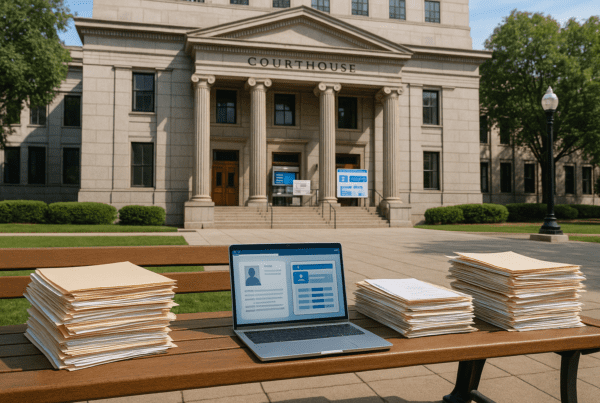
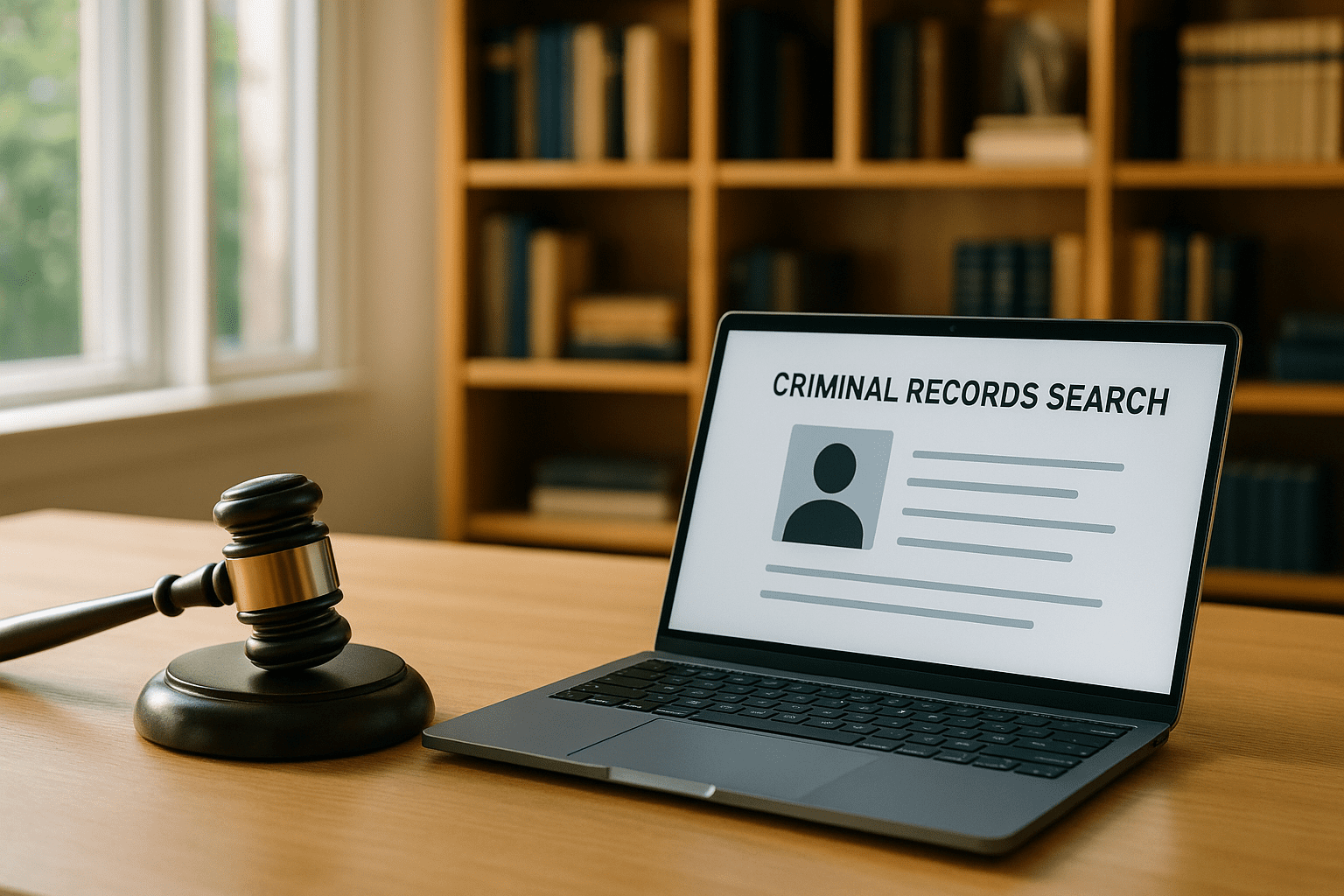
The access to criminal records through people search platforms does not exist in a vacuum. Beyond mere technical capabilities, this access is heavily influenced by ongoing legal changes that vary across states and at the federal level. Recent years have seen a complex push and pull between transparency advocates, privacy rights supporters, and regulatory bodies trying to establish fair rules around who can see these records and under what conditions.
Emerging Patterns in Criminal Record Accessibility
The traditional notion that criminal records are broadly public has been undergoing careful reconsideration. While many jurisdictions still maintain a version of open access for basic arrest and conviction data, a growing number of states have introduced laws that limit or control how this information is distributed, especially through commercial people search services. The rationale often revolves around preventing discrimination, protecting individual privacy after rehabilitation, or avoiding undue harm from stale or inaccurate information.
For instance, some states have enacted “ban the box” laws for online databases, effectively restricting employers from seeing certain criminal histories during initial hiring phases unless the offender has a demonstrated, relevant conviction. Others introduce more complex frameworks that require background check companies and online data brokers to follow stricter verification and disclosure standards, ensuring consumers are better informed about the data they request.
At the federal level, entities like the Fair Credit Reporting Act (FCRA) continue to shape how background checks are conducted and reported, placing limits on disseminating certain types of information – especially if used for employment or housing decisions. However, people search sites operating outside strict consumer reporting contexts may navigate a looser set of regulations, creating a patchwork of protection and access depending on the usage scenario.
Impact of Expungement and Sealing Laws
One of the more noticeable trends affecting accessibility involves the increasing adoption of expungement and record sealing laws. These laws allow individuals to have specific criminal records hidden from public view or marked as inaccessible under routine searches. This effectively reshapes what data appears on people search platforms aggregating public records.
The complexities arise because expungement procedures differ dramatically across states and often include exceptions based on the crime type, timing, or the individual’s circumstances. Many people search tools need to integrate notices or flags about expunged data, or in some cases omit it entirely, but the variance makes uniform compliance challenging.
The implementation of more automated processes for record sealing has also influenced how public and commercial databases are updated. Several jurisdictions now require state agencies to communicate sealed or expunged status to third-party data providers, adding another layer of regulation for people search and background check companies to navigate.
The Role of Judicial and Legislative Actions
Legal interventions by judges and lawmakers continue to clarify or redefine the boundaries for criminal records access. Court rulings on data privacy, freedom of information, or discrimination claims shape the environment for online people searches in significant ways.
For example, lawsuits have challenged the accuracy and fairness of third-party background data aggregators, pushing courts to hold some companies accountable for disseminating incomplete or misleading information. Such decisions can force stricter screening protocols or better transparency for consumers in the people search space.
Simultaneously, legislative sessions at state and national levels often introduce new bills or amend existing laws to adjust criminal record accessibility, reflecting shifting public attitudes on rehabilitation, data privacy, and public safety. Tracking these changes requires familiarity with local policies and how regulatory agencies enforce them.
The Balance Between Public Interest and Privacy Concerns
The enduring tension lies in meeting the public’s legitimate interest in safety, accountability, and transparency while guarding against the harms of overexposure or misuse of sensitive criminal history data. People search services find themselves at this crossroads, managing vast troves of records subjected to evolving legal and ethical expectations.
Accessibility may enhance community awareness or support informed decision-making, but it can also perpetuate stigma, unequal opportunities, or privacy violations if mishandled. Consequently, legal frameworks increasingly encourage thoughtful data governance, emphasizing accuracy, purpose limitation, and user consent.
Understanding how these dynamics play out requires ongoing observation because the interplay of law, technology, and societal values continues to shape the public records landscape. Those relying on people search data must stay alert to regulatory shifts that could affect what is accessible or permissible to share.
For readers interested in further context, resources like the U.S. Department of Justice on the Fair Credit Reporting Act and summaries of state-level expungement laws provide detailed perspectives. Privacy-focused organizations such as the Privacy Rights Clearinghouse also highlight consumer protections around criminal record use and accessibility.
Meanwhile, industry groups and consumer watchdogs continue to monitor people search services for transparency and compliance. Sites like Federal Trade Commission background check information clarify user rights and data use in criminal history screening contexts.
Such developments make it apparent that accessibility to criminal records through people search tools is not just a matter of technology but an evolving legal and social dialogue about privacy, redemption, and fairness.
Whether accessed for personal curiosity, due diligence, or professional screening, the availability of these records remains subject to an intricate mosaic of laws that demand careful attention and respect for the individuals represented in the data.
As this arena continues to evolve, the balance between protecting individual privacy and serving public interest will remain a pivotal consideration, affecting not only legislation and regulation but also the design and operation of people search services themselves.
For those trying to make sense of criminal records access, understanding where laws stand today and how they are enforced proves essential to navigating this complex and sensitive aspect of public information.
Ultimately, the legal framework around criminal record accessibility reveals much about broader societal values and the ongoing negotiation between transparency and privacy in the digital age.
Sources and Helpful Links
- U.S. Department of Justice on the Fair Credit Reporting Act – Detailed information on federal regulations governing background checks and data use.
- Privacy Rights Clearinghouse on Criminal Records – Consumer-focused information about criminal record privacy and accessibility.
- Federal Trade Commission Background Checks – Explanation of rights and responsibilities related to background screenings.