Telephone numbers seem like simple identifiers we dial or tap daily, but their life story is far more complex than it might appear. Unlike physical addresses or social security numbers, telephone numbers can be reused over time, complicating efforts to reliably confirm who exactly is using them at any moment.
The Lived Complexity of Number Recycling
When a phone number changes hands over years or even months, it weaves an identity trail that is not immediately obvious. Telephone service providers recycle unused or disconnected numbers to optimize resource management. From a systems perspective, this practice keeps the finite pool of numbers manageable.
For individuals or companies trying to verify identity or maintain contact history, however, this creates an uneven record. The same number that once belonged to one person might suddenly belong to another with a different name, previous address, and unrelated contact network. This shift can ripple through digital and social systems, causing confusion if the number’s history is overlooked.
In fact, ignoring the recycling aspect can result in misidentification or mistaken linkage between unrelated profiles. Imagine a credit application, background check, or friend reconnect attempt. Matching someone solely by phone number without context could lead to false conclusions.
How Looking Backwards Makes Moving Forward Safer
Tracking telephone number history means piecing together snapshots of ownership and usage over time. This historical perspective helps reveal switches in stewardship and allows researchers to understand the context behind current data.
For example, public records or specialized data services sometimes show the date ranges a number was active with particular carriers or assigned to specific individuals or addresses. These details can signal when a number’s identity footprint shifted and help disambiguate old connections from current reality.
This kind of insight bolsters verification efforts by adding temporal anchors to otherwise static data points. It turns a telephone number into a timeline rather than a lone identifier.
Patterns in Reused Numbers Teach Their Own Lessons
Repeated analysis of number recycling patterns reveals typical waiting periods before reuse, regional differences in recycling policies, and common behaviors that influence risk. Some carriers may hold numbers inactive for several months after disconnection before reissuing them, reducing the chance of immediate identity overlap. Others might cycle numbers more quickly, increasing potential confusion.
Understanding these standard practices helps those verifying identities adjust their expectations about the reliability of phone numbers as stable signals. It also suggests when additional confirmation methods are advisable, such as cross referencing addresses or legal records tied to the telephone number.
For instance, a number tied to multiple addresses or owners within a short time span probably requires deeper investigation than a stable number linked to one person for many years.
Digital Traces and Public Records Enrich the Picture
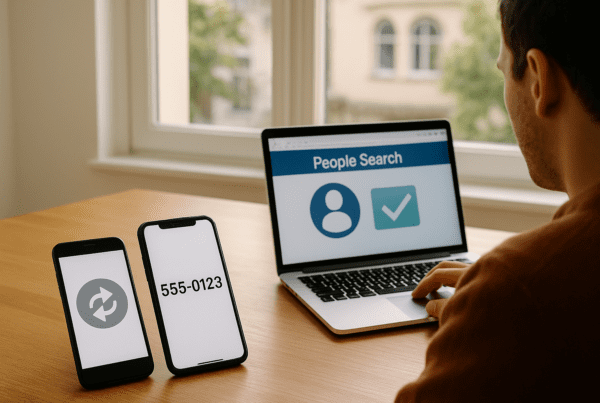
The advent of online directories, telecommunications databases, and public record aggregation has made historical phone number data more accessible. Some of these resources compile changes in ownership, service provider, and even associated addresses over time.
Researchers and verification services use these tools to cross-check phone numbers against name histories, address changes, and broader identity clues. Phone number history thus becomes a vital layer in establishing a chain of identity through time.
However, the completeness and accuracy of these datasets vary, and not all changes get recorded publicly or without delay. Verifiers need to keep in mind the dynamic, imperfect nature of the data and balance it with other sources.
Why Phone Number History Matters for Safety and Trust
In an age where scams, identity theft, and misinformation flourish, telephone number history is a subtle but important safeguard. It can expose when a number’s identity has transformed, flagging potential red flags if the previous user had a dubious history or if the number suddenly appears in suspicious contexts.
This history can also protect innocent users caught in number recycling confusion by clarifying past misuse is unrelated to the current owner. In that way, it helps maintain trust in telephone-based communication channels.
As companies refine identity verification workflows, incorporating phone number history alongside biometric, document, and behavioral data leads to more robust systems that respect both operational realities and personal privacy.
Ultimately, phone numbers tell stories beyond the digits themselves. Their histories quietly record the nuanced shifts of identity in a connected world, offering guidance for those seeking certainty amid complexity.
Although not infallible, telephone number history is a pragmatic tool that reflects how people and technology evolve together. Accepting and understanding the recycling process helps turn this everyday data point into a more meaningful link across time and lives.
For anyone involved in identity verification or data integrity work, appreciating these layered changes and the ways records intersect offers a clearer lens through which to view a familiar but intricate domain.
Exploring phone number history does not just serve bureaucratic needs but also reveals social patterns in communication and mobility. It is an ongoing story that continues to adapt as people’s connections and technologies shift.
Recognizing this story’s value encourages more thoughtful, informed approaches to the challenges posed by an ever-changing digital landscape.
If you are curious about how your own phone number might fit into this broader picture, tools and services that specialize in public record aggregation provide starting points for tracing the history behind a given number.
Among these, reputable platforms often integrate carrier data, address records, and name listings to build a layered identity narrative that extends beyond the present moment.
Such resources help decode the tangled paths phone numbers travel and reduce uncertainty for businesses and individuals relying on these key points of contact.
Whether for reconnecting with old contacts, confirming identity in secure settings, or understanding unexpected calls and messages, the history of a telephone number is a vital part of the puzzle.
It sheds light on the blurred lines created by recycling, empowering users with clearer information and promoting safer communication.
Over time, as data practices improve and sharing becomes more precise, the usefulness of phone number history in public record research will only grow, underscoring a simple truth: our connections are more than momentary digits, they form intricate narratives shaped by time, change, and human experience.
Exploring this dimension enriches our grasp of identity verification, digital trust, and the evolving dance of technology linking people across their lives.
Understanding not just who holds a number now but who held it before adds depth and confidence to every call, message, or identity check.
It is a reminder that even small details like a telephone number carry with them stories worth uncovering.
Those stories often hold the key to safer, smarter ways of navigating the complex web of personal data around us.
Delving into telephone number history demonstrates the value of persistence and nuanced observation in the realm of identity verification. Conditions that might confuse or mislead become clearer when seen through the lens of historical context.
It is a modest but powerful example of how detailed public record research can illuminate everyday mysteries and support trust in a connected world.
Whether one is safeguarding a business transaction, reconnecting with old friends, or simply curious about the past, the history behind a phone number is a helpful guide.
It quietly affirms that identity is never fixed by a single data point but is woven from many threads across time.
As we continue to chart these threads, telephone number history remains a surprisingly rich resource, a bridge between what was and what is, offering a clearer path forward in the ongoing search for accurate identity verification.
Exploring sources such as carrier archives, public telecommunication records, and trusted people search websites can bring additional clarity and confidence when faced with recycled numbers.
The deeper understanding gained from these historical insights nudges us beyond simplistic approaches and toward more sophisticated, human-aware data practices.
In this way, phone number history is not just a technical curiosity but a practical key to unlocking more reliable and respectful identity connections today.
For those navigating the challenges of data, identity, and trust, embracing this history enriches the information landscape and supports wiser decisions.
In short, the stories carried by telephone numbers reflect the complexity of human connection itself, inviting careful attention and ongoing discovery.
That perspective makes all the difference when facts and safety depend on knowing not just the number but its layered past.
For further details on telephone number recycling and identity impact, consult resources such as the Federal Communications Commission and specialized telephony information sites.
Exploring these offers a clearer grasp of how numbers transition and why their histories matter in a world of shared digital identities.
Ultimately, tracing telephone number history brings us closer to a nuanced understanding of identity verification in an interconnected age.
It reminds us that behind every set of digits lies a history waiting to be discovered, understood, and respected.
Sources and Helpful Links
- Federal Communications Commission – Official guidance on reassigned telephone number issues in consumer protection
- NumberingPlans.com – Comprehensive data on global telephone numbering and carrier assignments
- Wikipedia: Telephone Number Recycling – Overview of the telephone number recycling process and implications
- Spokeo Public Records Search – Example platform providing historical phone number ownership and associated public data