A new horizon in tracing family roots
Family genealogy has historically been a slow, sometimes frustrating search through scattered physical records that might be locked away in city halls, religious institutions, or regional libraries. Many genealogists recall journeys that involved visiting multiple locations to find birth records, marriage certificates, or old census forms. This hands-on approach shaped a very local and patchwork view of family history, often limited by geography and accessibility.
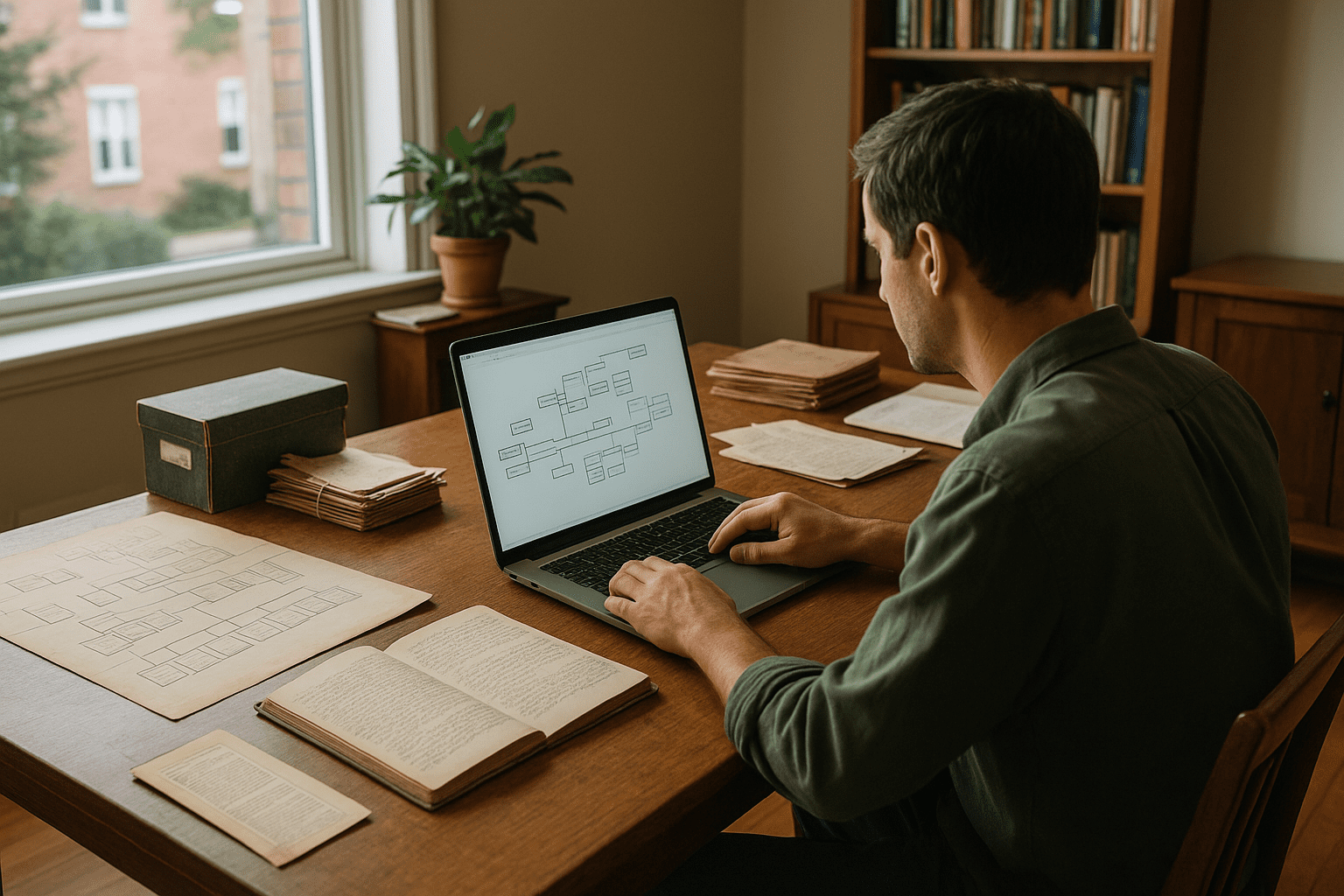
With the wave of public record digitization, these once hidden or hard-to-access sources are now often just a few clicks away. Scanned documents, indexed collections, and integrated databases compiled through collaboration among archives have created a rich, interconnected reservoir of information. This transformation is more than convenience; it is opening the door to details and connections that were previously locked behind physical or bureaucratic barriers.
Piecing together sprawling archives into coherent stories
Many public records come from a variety of government agencies and local offices that rarely coordinated their filing methods or systems. Digitization initiatives aim to bring these fragments into centrally searchable online platforms, uniting birth and death records, property deeds, immigration files, and census data. This aggregation allows family trees to be constructed with a fuller picture, revealing migratory patterns and life events that span wider regions than previously traceable.
For instance, combining military records with census data and immigration manifests can reveal nuances about ancestors’ occupations, movements, or even social status. These digital connections often surface surprising family ties, helping researchers overcome gaps left by missing or damaged original documents. Digitization also serves the vital function of preserving fragile materials, ensuring the longevity of history itself beyond physical degradation.
New ways to experience and share family history
The entry barrier for genealogy has fallen sharply with digital records becoming accessible to anyone with an internet connection. The research no longer demands specialized knowledge about archive navigation or travel to distant repositories. Families today often share discoveries through collaborative online tools, inviting extended relatives to contribute information and stories. This communal approach enriches the research process, transforming genealogy into a social and exploratory craft.
Even so, the abundance of data requires a cautious eye. Conflicting records and typographical errors in older documents remain challenges. Researchers frequently cross-reference multiple sources to verify identities and relationships, making careful analysis an integral part of modern genealogy. Online platforms increasingly provide context, helping users interpret archaic terminology or discrepancies in records, which adds depth and reliability to family histories.
Technology enhances but never replaces human curiosity
Amid this digital abundance, the essence of genealogical research remains an attentive and patient human endeavor. Sorting through vast volumes of digitized records can be time-consuming, especially given the imperfections in original documents or varying quality of scans. The detective work of assembling a coherent narrative from fragmented evidence keeps the field intellectually engaging and unpredictable.
Moreover, digitization expands access to records from groups historically underrepresented or marginalized in traditional archives. This broader availability contributes to a more inclusive understanding of cultural and social heritage within family trees. As diverse collections continue to come online, genealogy gains complexity and richness, reflecting the full tapestry of human experience.
Those seeking to explore family histories through digital records can begin with resources like the National Archives genealogy research pages, which provide access to federal records and research assistance. Nonprofit organizations such as FamilySearch offer extensive digitized databases and collaborative tools to support enthusiasts at every level.
Digital archives shaping future genealogical exploration
Advancements in digital scanning and indexing technologies continue to push the boundaries of what is discoverable. Optical character recognition helps convert handwritten or deteriorated documents into searchable text, while machine learning assists in linking related records and correcting errors. These tools accelerate the pace of research and expand the scope of inquiry.
Simultaneously, conversations around privacy and data stewardship have become central. Balancing open access to historical records with respect for individual privacy rights introduces important considerations for how archives operate and share information. The genealogy community increasingly engages with these issues, emphasizing trustworthy practices while maintaining historical openness.
As more records become digitized, the possibilities for uncovering personal histories grow exponentially. This ongoing evolution invites both beginners and veterans to explore their ancestral stories through rich, accessible sources, blending technological innovation with the enduring human desire to understand where we come from.
Exploring the digitization of public records thus reveals not only a technological leap but a cultural shift in connecting people with their past. It is a woven narrative that transforms isolated documents into living histories accessible to all.
For those ready to dive deeper, directories like Cyndi’s List offer curated gateways to thousands of genealogy resources, helping researchers navigate the expanding digital landscape of historical records.
Tracing a path between past and future
The journey through genealogical data reflects history’s complexity. Digitized archives bring layers of stories and records closer, allowing discovery and questioning at an unprecedented scale. This ongoing process fosters a dynamic relationship with history, where technology supports the human quest for identity and belonging.
The blending of detailed documentation and personal stories creates a genealogy experience that is both rigorous and intimate. As innovation accompanies the efforts of family historians worldwide, the story of our ancestors becomes an evolving digital and human tapestry.
Sources and Helpful Links
- National Archives genealogy research pages offering access to U.S. federal historical records useful in family research
- FamilySearch website providing extensive digitized collections and guidance from the largest nonprofit genealogy organization
- U.S. Digital Preservation program focusing on efforts to preserve public records and increase digital accessibility
- Cyndi’s List directory a comprehensive resource linking to a wide variety of genealogy research sites and record collections