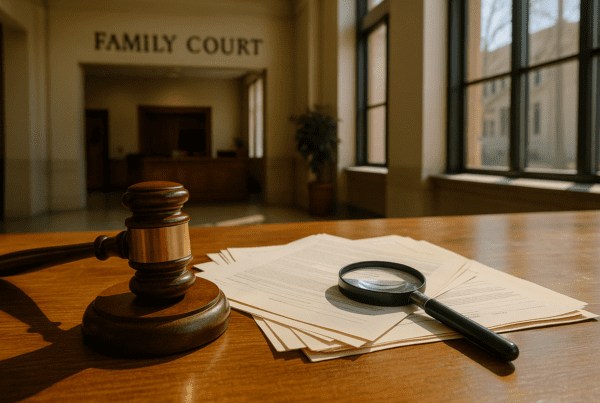
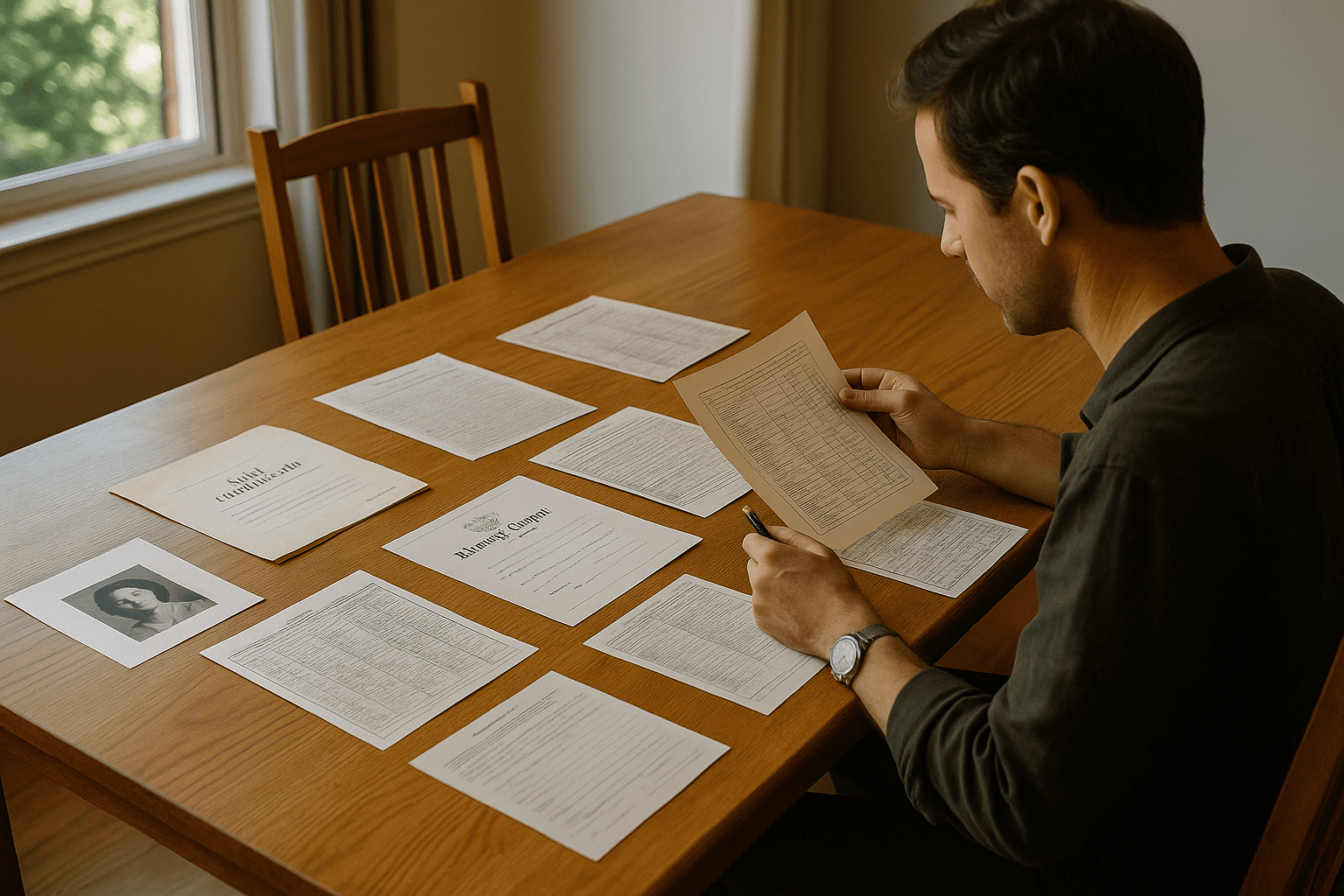
Tracing family relationships is often seen as a deeply personal journey, colored by stories passed down through generations. Yet increasingly, alongside memories and anecdotes, public records have become essential tools in verifying the formal ties that link people together. This trend is reshaping how families confirm kinship, and it reflects broader shifts in both data accessibility and the social importance of accurate identities.
Uncovering the Layers Behind Family Stories
Family stories can be vivid and compelling, but they are not always reliable when tested against official documentation. Names can be mistaken, dates forgotten or altered, and relationships misunderstood. For people diving into family history or trying to confirm connections for legal or personal reasons, public records offer a more grounded compass. Vital records like birth certificates, marriage licenses, and death records serve as tangible proof points, anchoring narratives to specific facts. These documents are often the first reliable threads for genealogists and family historians aiming to trace lineage or confirm biological links.
Beyond vital records, census data and property deeds can reveal family groupings and household structures over time, illuminating patterns that stories alone might miss. For example, a census record might list multiple generations living at a single address or unusual family arrangements not recorded elsewhere. Such information can clarify relationships that families acknowledge informally but lack written confirmation for.
The Role of Public Records in Modern Family Verification
Today, public records are not only vital for genealogical hobbyists but also for resolving practical concerns. Legal situations like inheritance disputes, child custody cases, or immigration matters often hinge on confirming familial ties. Courts and government agencies increasingly rely on public documentation to verify claims of parentage or kinship when no other straightforward evidence exists.
In some scenarios, DNA testing has become popular for establishing biological connections, but public records remain foundational because they set official parameters and provide legal context. Unlike DNA results, which outline genetic relationships, public records confirm the social and legal recognition of these ties at a given time. When combined thoughtfully, DNA evidence and public documentation paint a fuller and more reliable family picture.
Accessibility and Digitization Shaping the Landscape
The expanding availability of public records online has transformed their role in family verification. Previously, accessing these documents could involve lengthy searches through physical archives, sometimes with limited results. Now, many state and county records are digitized and searchable from home, making them an accessible resource for a broader audience.
This increased digitization brings both advantages and challenges. On the one hand, it allows users to cross-reference various record types quickly, making connections more visible and easier to verify. On the other, the sheer volume of data available can be overwhelming and prone to misinterpretation without careful analysis. Additionally, the quality and completeness of records vary by jurisdiction, and some historical records may still be inaccessible or lost.
People using public records for family confirmation today benefit from various tools and services that aggregate and interpret these documents, helping to contextualize raw data with related historical insights. These aggregators can flag inconsistencies or missing links that might otherwise go unnoticed.
When Public Records Illuminate More Than Just Bloodlines
Family is often more than genetics alone. Adoption records, marriage documents, and guardianship papers reflected in public databases sometimes reveal chosen or legal family ties that guide many people’s identities. Public records do not just confirm who someone is biologically connected to, but also acknowledge relationships recognized by society and law.
For families separated by adoption or informal guardianship, these records can help piece together lost histories or explain complex family dynamics. Even cases of blended families or relationships across generations become clearer when relevant documents like marriage and divorce records or name change certificates are included.
In many ways, public records provide a map not solely of genetic descent but of the social fabric that weaves families together over time.
While no single source tells the whole story, public records stand out as a critical resource increasingly central to how families understand their connections in a complex, data-driven culture. Their ongoing digitization and integration with genetic and other identity tools make them a cornerstone of modern family verification practices.
Exploring these records with care and context often reveals more than just names and dates. It surfaces the living, evolving stories embedded in legal documents and historical filings, enriching how families appreciate their past and present.
As our concept of family continues to evolve, the importance of reliable public documentation in confirming relationships is unlikely to fade. Instead, it will grow alongside other technologies that help people trace, understand, and affirm the ties that define who they are.
For those beginning or continuing their family discoveries, public records offer a substantial and trustworthy foundation amidst the complexities of memory, identity, and legal recognition.
Reliable sources like the National Archives and Records Administration provide access to a strong base of vital and census records. Meanwhile, many state and county government websites offer digitized marriage and birth records that support verification efforts. These available resources create a public record infrastructure supporting family confirmation across multiple generations and locations.
In sum, the steady rise in public records usage reflects an ongoing shift toward factual grounding in family research, a trend that honors both historical facts and the nuances of personal identity.
Sources and Helpful Links
- National Archives and Records Administration – Official portal for accessing federal records useful in genealogy and family history research.
- Centers for Disease Control and Prevention – Vital Records – Information on obtaining birth, marriage, and death certificates across states.
- FamilySearch Public Records – A free resource with access to a vast collection of digitized public records to support family research.