
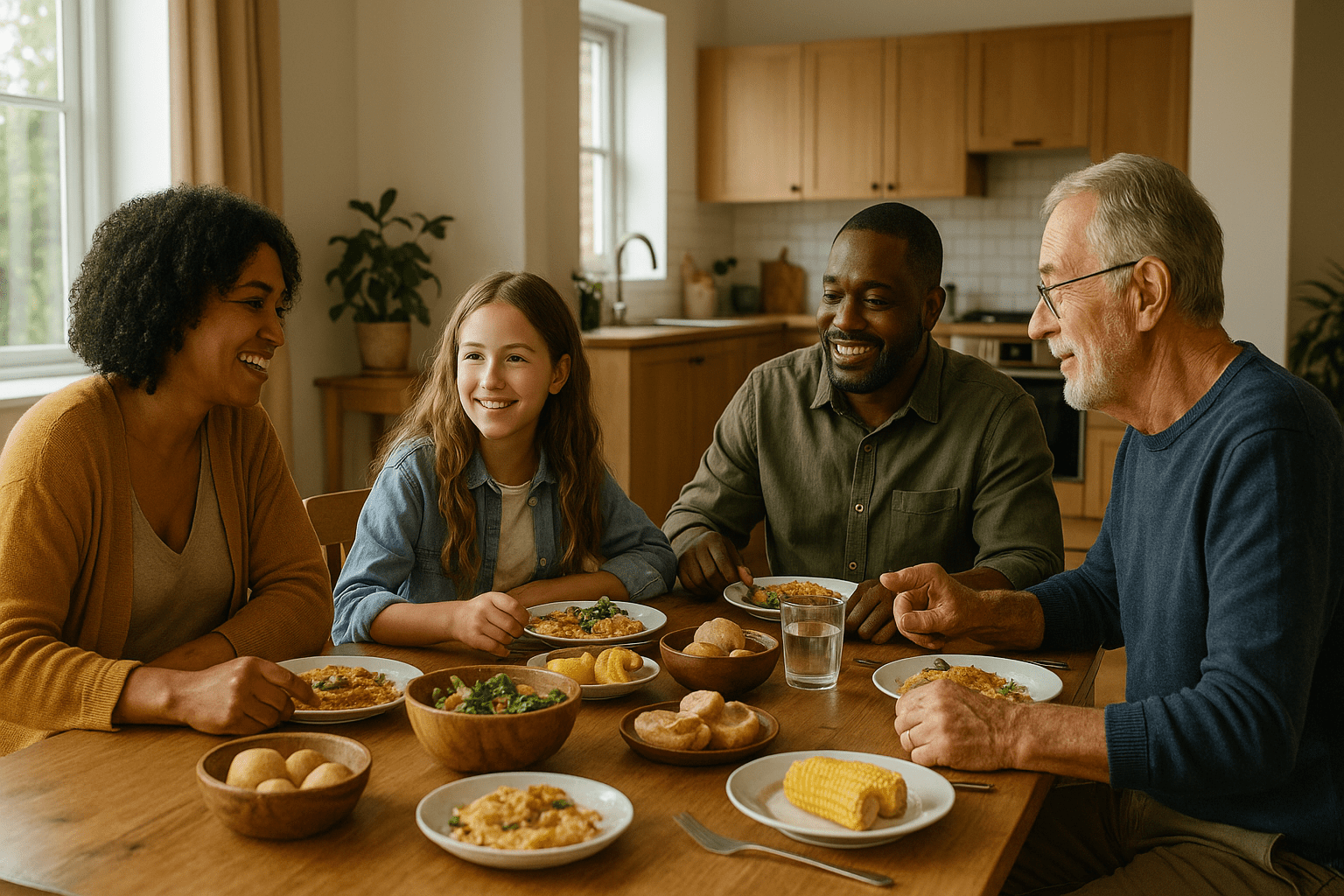
The modern family often reflects a tapestry woven from diverse relationships and histories, especially in blended families that bring together members from previous unions. Public records play a subtle but significant role in clarifying the identities and connections within these groups, offering layers of verification and context that are not always obvious at first glance.
Tracing Connections Through Shared Addresses and Official Records
One of the first things public records reveal in blended families is the residential footprint. Shared addresses over time, visible in property or rental records, school enrollment documents, and voter registrations, show patterns that hint at how family members relate and coexist. These documents don’t describe family ties directly but provide a framework that points to household composition and shared history.
For example, a younger adult’s appearance on a lease alongside a couple may suggest a stepchild relationship or extended familial bond. Further inspection of birth records or marriage licenses can then fill in the gaps, outlining the history of marriages, divorces, and parental links. Resources like local government property databases or educational records serve as a starting point for these observations.
Address histories can be particularly revealing when family members move frequently or split time between households. Public records capture these shifts, which in turn correlate with custody arrangements or how blended family members navigate their relationships in practical terms.
Understanding the Role of Vital Records in Layered Family Structures
Vital records remain the backbone of identity confirmation within blended families. Birth certificates clarify parentage, name changes reflect new legal ties, and marriage records document the formation of the new family units. While a birth certificate names biological parents, revised documents or additional records might acknowledge stepparent adoptions or guardianships.
Observing variations in names, such as hyphenations or middle name changes documented in public records, often points toward identity choices influenced by blended family dynamics. These changes are more than bureaucratic footnotes, they speak to how individuals within the family negotiate identity and belonging.
The layers of records from marriage certificates to court rulings about custody or legal guardianship demonstrate the evolving nature of family identity. Publicly accessible court documents, in particular, can shed light on complex custody arrangements that are crucial in understanding day to day family life.
Challenges in Linking Records Without Clear Labels
What becomes clear fairly quickly is that public records seldom tell the whole story, especially with relationships outside biological connections. They rarely label terms like stepchild, stepsibling, or blended family explicitly, requiring careful interpretation of document patterns and timelines.
For researchers or individuals trying to piece together family stories, this ambiguity is both a hurdle and an invitation to look deeper. For instance, similar surnames do not guarantee biological connection, and an absence of such names may reflect a deliberate choice to express an alternate family bond.
One challenge arises when different jurisdictions document records with varying detail. Some counties or states may include stepparent names in records, while others do not. Researchers must often compile information from multiple sources – such as property records, court filings, and vital records – to build a more complete picture.
The Quiet Work of Public Records in Everyday Identity Verification
Beyond genealogical interest, public records serve practical, everyday roles in identity verification for blended families. Schools, healthcare providers, and financial institutions rely on combinations of these documents to confirm who is authorized for school pickup, medical decisions, or financial accounts.
People working with these records often notice how blended family members use different documents depending on context. For example, custody papers may accompany a medical visit to establish guardianship, while property records could prove residency when enrolling children in school districts. This fluid use of records reflects real-world negotiation of family identity that standard documents cannot fully capture.
This fluidity sometimes leads to confusion or mismatches in records, highlighting the importance of individuals proactively managing and updating their official documents. Understanding what is publicly accessible and what needs formal updates is part of maintaining clarity in blended family identity.
Reflections on Privacy and the Public Nature of Family Identity
While public records provide this clarity, they also raise questions about privacy and the boundaries of public versus private information. Blended families may find that personal details about family structure, custody, or legal proceedings become visible beyond their immediate circle, which can be uncomfortable.
The balance between accessibility of public records and respect for family privacy is an ongoing conversation. Observers note that transparency through these records supports accountability and legal clarity but also requires sensitivity toward how family narratives are publicly constructed.
Some families opt to manage these concerns by seeking legal advice about record sealing or privacy protections. Meanwhile, the public remains reliant on these records, both as a resource and a reflection of real-world identity dynamics.
It is remarkable how much public records contribute to a clearer understanding of blended families. They form a scattered but meaningful mosaic, drawn from address histories, vital documents, and legal records, helping illuminate the realities of identity in families that continually evolve beyond traditional definitions.
To explore examples of vital records and their role in family and identity research, the National Archives provides extensive resources. For those curious about how property and court records intersect with family life, government transparency portals like those from state or county clerks offer valuable insight.
Public records do not tell stories outright but offer pieces to be thoughtfully assembled. Their patterns and nuances reveal the many ways identity, connection, and belonging take shape in blended families navigating their own unique pathways.
Sources and Helpful Links
- National Archives – Family History Research, a reliable resource for understanding vital records and genealogical documents
- USA.gov – Property and Land Records, provides general information on accessing property records relevant to family residence
- Child Welfare Information Gateway, discusses family legal matters including custody records and their public availability
- U.S. Census Bureau – Families and Living Arrangements, offers statistical insights that complement understanding blended family demographics