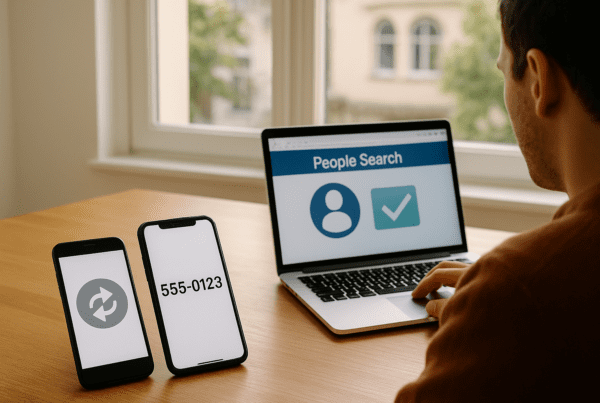

When navigating the bustling realm of online marketplaces, trust can seem like a fragile thing. Buyers want assurance that the products they purchase are genuine and the sellers reliable. Sellers, in turn, need to show that their listings are credible and their histories clean. Behind this delicate balance sits a largely unseen force: public records.
The subtle web of trust woven by public data
Public records are quietly active in the background, offering a multifaceted view of individuals and businesses involved in transactions. These repositories capture everything from address histories and court records to professional licenses and business registrations. When online marketplaces pull from these sources for background checks, they gain a snapshot of the person or entity standing on the other side of the deal.
This connection between public records and marketplace trust is neither new nor simple. It builds on long-standing practices of identity verification and risk reduction, adapted for a digital world where physical presence is fleeting, and interactions are often between strangers.
Behind the scenes of background checks
A typical background check for an online marketplace user does more than skim a name and date of birth. It often involves sifting through layers of public data that reveal address stability, criminal history, civil litigation, and sometimes financial standing. For instance, if a marketplace verifies that a seller’s address matches public records consistently, it bolsters confidence that the seller is legitimate beyond a simple profile claim.
Conversely, discrepancies or red flags can signal risk, influencing whether a platform allows continued activity or requests further verification. Public records thus function as both a shield and a filter, helping marketplaces maintain integrity without becoming overly restrictive.
It is worth noting that the type and depth of public records used vary widely depending on the platform, the category of goods, and regional laws surrounding data use and privacy. Some marketplaces favor more extensive checks, especially in transactions involving high-value or regulated items, while others adopt a lighter touch for everyday goods.
Public records in the patchwork of digital identity verification
Online marketplaces do not rely solely on public records. They integrate these data points into larger verification systems that may include user-submitted documents, social media analysis, and device fingerprinting. But public records serve as a foundational layer-third-party data openly accessible, relatively authoritative, and objective.
The interplay between these data types helps platforms distinguish between genuine users and malicious actors who may try to game the system with fake profiles or stolen identities. It also creates a more comprehensive picture of an individual’s background without depending entirely on self-reported information.
For example, a seller listing high-end electronics might match their professional licensing or business registration from public records, reinforcing their trustworthiness to buyers. At the same time, buyer identity checks might cross-reference criminal records or fraud alerts captured in public databases to minimize scam attempts.
Balancing privacy and verification in a connected world
There is an inherent tension in using public records for background checks within online marketplaces. These records exist in the public domain, but the expectations of privacy for digital users evolve continually. Marketplaces must navigate complex legal landscapes that include regulations like the Fair Credit Reporting Act in the US and the General Data Protection Regulation in Europe, balancing thorough verification against respecting user rights.
Transparency about how public records are used is increasingly vital. Users want to know what information is checked and why, which can build trust in the platform’s practices. Equally, platforms need to ensure that data pulled from records is accurate and current, as public sources can sometimes be outdated or incomplete.
Ongoing dialogues among privacy advocates, policymakers, and industry players shape how public records get integrated into these background processes. The goal remains to protect both marketplace participants and their personal data while supporting an ecosystem where commerce can flourish securely.
Observing the evolving role of public records
As online marketplaces grow in scale and complexity, their reliance on public records is only likely to deepen. Advances in data linking and verification technologies improve the ability to cross-check records quickly and reliably, helping platforms refine their user vetting processes.
At the same time, marketplaces face pressure from consumers to raise safety standards while preserving ease of access. Public records provide a valuable tool in navigating this delicate balance, though not a perfect one. Errors in records, varying quality across jurisdictions, and privacy concerns remain ongoing challenges.
What is clear, however, is that public records form a critical part of the fabric supporting background checks that help build trust in online transactions. They offer a window into identity and history that, when thoughtfully applied alongside other verification strategies, can reduce fraud and protect users in an environment where traditional face-to-face reassurances are absent.
Marketplaces, regulators, and consumers all move along an evolving path, probing how to make the most of public data without sacrificing fairness or privacy. Watching this slow balancing act sheds light on broader questions about identity, trust, and the public good in the digital age.
Marketplace operators who understand the nuances of public record integration tend to build platforms that feel safer and more reliable to users, encouraging repeat activity and positive reputations. For users, an awareness of this behind-the-scenes work can foster more informed participation and a clearer understanding of how their information contributes to the marketplace experience.
Finding that soundtrack of trust within a flood of digital interactions rests partly on those old records, living quietly but meaningfully in public view.
More detailed insights on background checks and the legal guidelines relevant to online transactions can be found at resources such as the Federal Trade Commission’s consumer advice and the Department of Justice background check overview. Privacy considerations around public record use are further explained at the Privacy Rights Clearinghouse and Information Commissioner’s Office guidance.