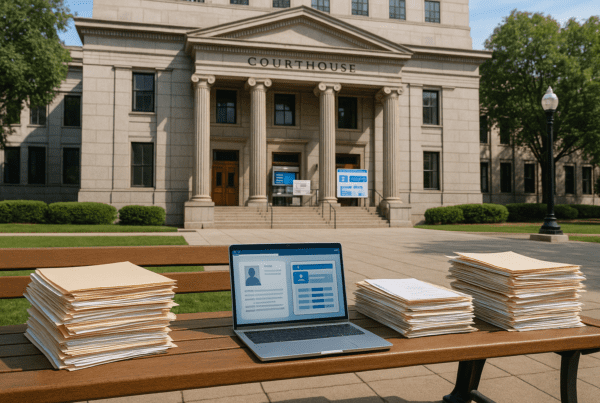
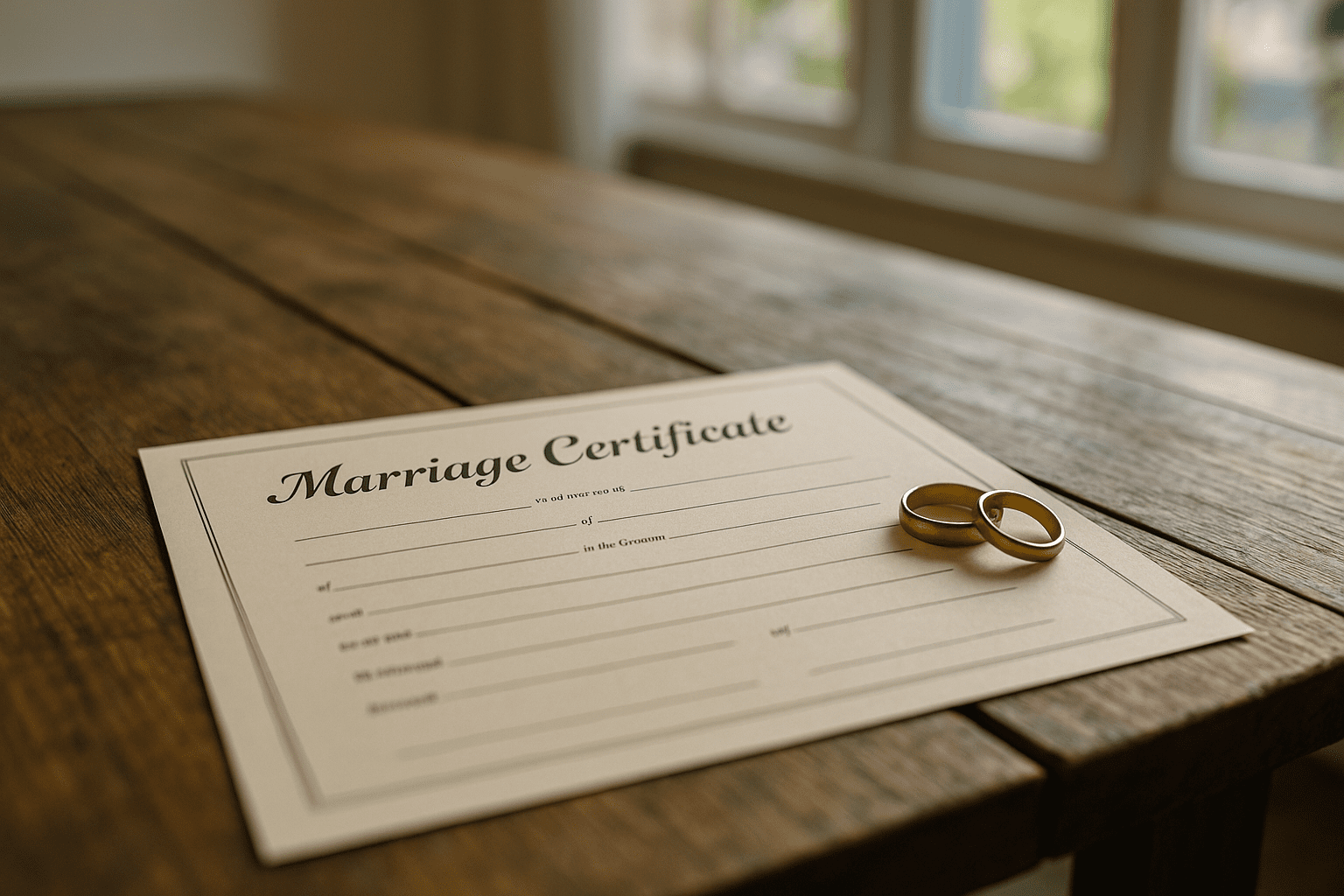
Marriage license records have long played a quiet yet meaningful role in public records, acting as official proof of unions and a snapshot of personal milestones. Beyond the simple names and dates, these documents link people to broader family histories, legal rights, and social recognition. In recent years, however, a subtle but significant wave of state legislation is bending the rules around who can see these records and under what conditions.
Variations in State Approaches to Marriage Records
Marriage license access has never been uniform across the country, with each state drawing its own lines between open availability and privacy safeguards. What is emerging now is a patchwork that emphasizes either tighter controls or greater openness depending on local priorities and legal philosophies. This uneven landscape reflects deeper questions about what it means to balance individual privacy against public interest.
On one side of the spectrum, some states are implementing new restrictions that require anyone requesting a marriage record to prove direct relation or legal standing. This aims to prevent unauthorized access to sensitive details, reducing risks of identity theft or personal intrusion. For example, New York’s updated policies now limit requests to those who can demonstrate a clear connection to the subjects of the records.
Conversely, other states are expanding online public record portals, making marriage licenses easier to obtain without as many barriers. Southern states like Alabama and Georgia have modernized their data access practices, allowing broader public searches though often under carefully defined frameworks. Such approaches argue that public documents should remain as transparent as possible, supporting historical research, journalism, and general civic knowledge.
This patchwork leads to some unpredictability. A researcher or family member might find a smooth online search experience in one state but face extensive paperwork and waiting times in another. These differences reveal how local culture, privacy concerns, and technological capacity influence public access.
The Tangible Impact on Users of Marriage Records
The legislative shifts go beyond paper and policy, affecting real people’s ability to uncover family connections or validate personal history. For many, tracing ancestry through marriage records is a critical step in understanding family lineage. Yet in states enforcing stricter privacy, these efforts may hit walls that require official permissions or birth certificates to move forward.
Marriage records have legal and social weight too. They help establish marital status in divorce proceedings, inheritance disputes, or benefits claims. Background check firms and employers may consult these documents to confirm identities or marital details. Thus, uneven access risks not just inconvenience, but complications in legal and financial contexts where accurate verification is vital.
Agencies handling these records often must juggle the technical challenges of securing data alongside evolving legal mandates. Some have invested in secure online platforms with identity verification steps that limit frivolous or malicious inquiries while preserving public benefits of data availability. Others reduce the amount of detailed information released, offering redacted versions or summaries instead.
Public Records in a Shifting Privacy Landscape
The conversation around marriage license accessibility fits into a broader trend questioning what types of personal data should be easily retrievable by the public. Increasingly, records once viewed as routine and uncontroversial now prompt concerns about misuse, identity risk, and digital security.
This redefinition spans many documents, from birth and death certificates to court rulings and property ownership. As these records migrate online and data accumulation grows, lawmakers and citizens alike wrestle with new definitions of privacy. What counts as essential public information versus sensitive personal data is often a matter of debate and shifting norms.
Technology offers new tools to navigate this tension. Some jurisdictions experiment with tiered access, where basic information is public but detailed personal data requires proof of eligibility. Authentication systems using government-issued IDs or biometric checks strive to streamline requests without opening floodgates. These innovations indicate a complicated but ongoing effort to protect individual rights while preserving public transparency.
Keeping Track of the Changing Legal Terrain
While it is impossible to foresee every legislative move, the trajectory suggests states will continue adjusting marriage record accessibility policies over time, responding to social values, privacy advocacy, and technological capabilities. Stakeholders ranging from genealogists to legal professionals must remain alert to new rules that shape when and how these records can be accessed.
Many states maintain informational websites or public records portals that update guidelines and clarify eligibility criteria as laws change. Consulting these official resources is crucial for anyone relying on marriage records to avoid unnecessary delays or compliance issues.
At the same time, monitoring privacy advocacy groups can provide insight into ongoing debates shaping the landscape. The evolving legal frameworks around marriage licenses reflect wider societal questions about control over personal data and the balance between transparency and protection.
Despite this flux, marriage license records remain an essential piece of public documentation. Their accessibility captures broader tensions between openness and privacy inherent to public recordkeeping, reminding us that such records are not just data points but touchstones of identity, connection, and trust within communities.
For those interested in exploring the nuances of access and restrictions on vital records like marriage certificates, the CDC’s guide on vital records offers a reliable overview. Advocacy perspectives can be found at groups like Privacy International, which discuss the broader implications of privacy rights in public data. Meanwhile, genealogists will find the USGenWeb Project a useful resource for understanding state-specific challenges and opportunities in public records research.
Watching how state laws evolve around marriage records reveals much about changing cultural attitudes toward identity and personal information in an increasingly digital world.
Sources and Helpful Links
- CDC Vital Records Guide – Offers official information on obtaining and understanding vital records across the United States
- Privacy International – Discusses privacy rights and the protection of personal data in public records
- USGenWeb Project – Provides resources on genealogy research and access to public records