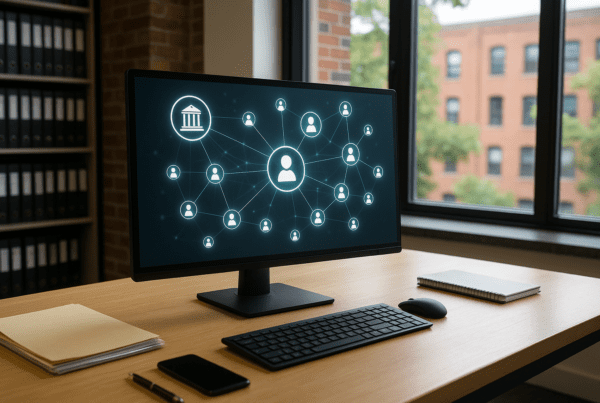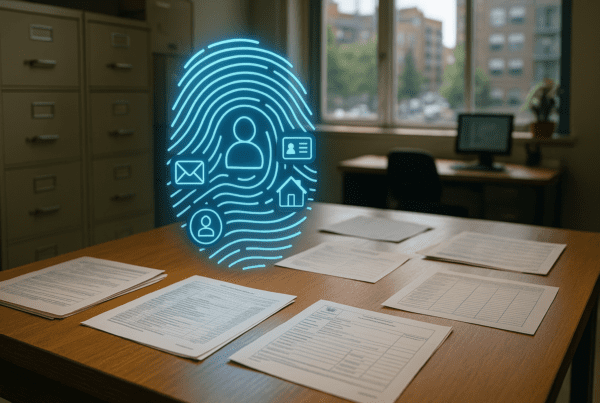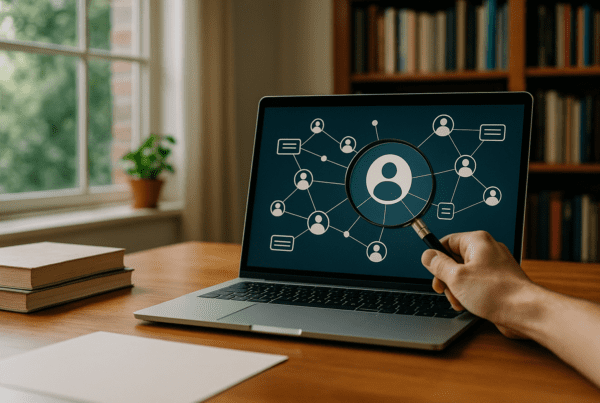
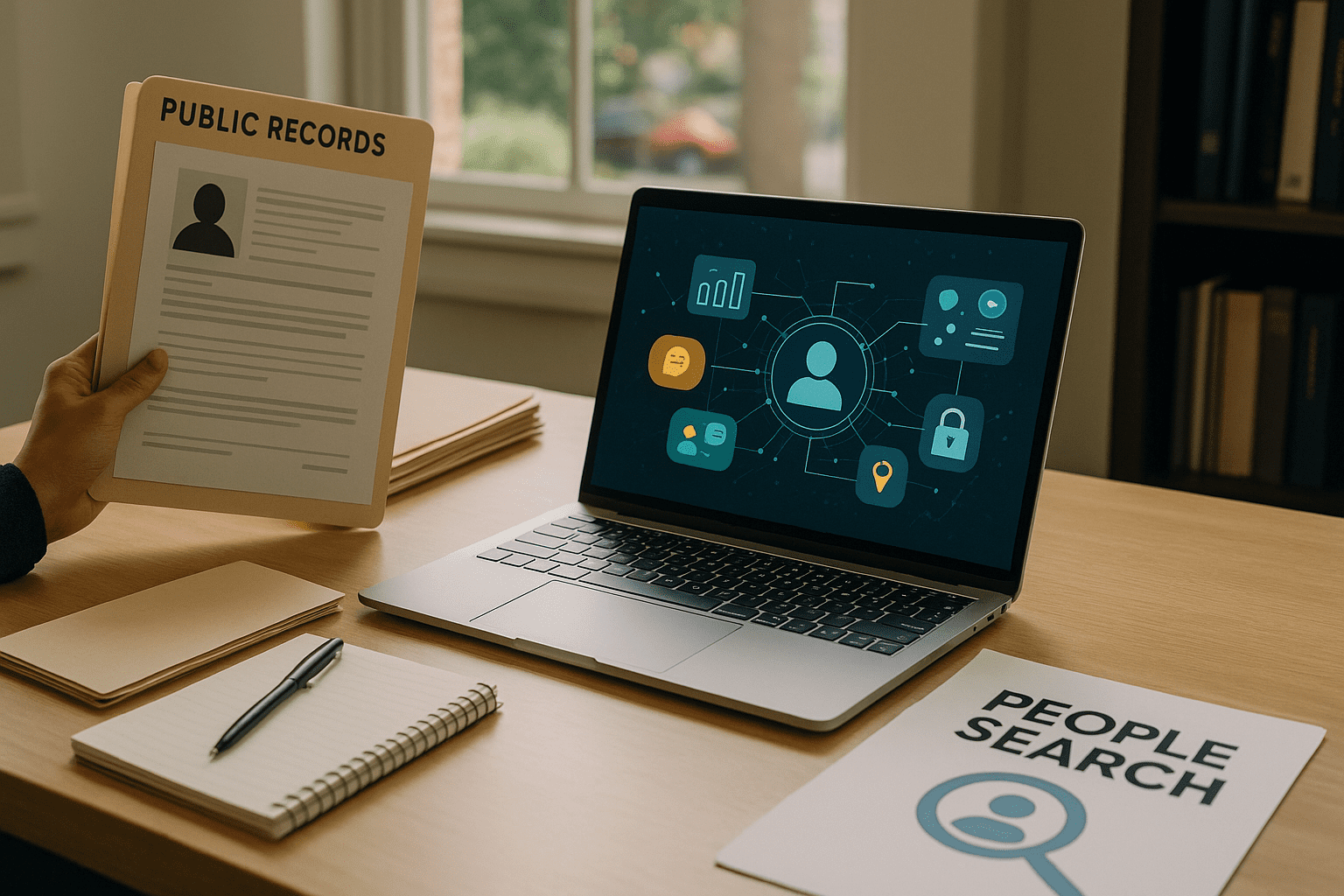
The interplay between public records and social network data has started to reshape how identity is understood and verified in the digital age. Traditionally, public records formed a structured and official archive of information curated and updated by governmental or authorized entities. Meanwhile, social networks have captured the fluid, real-time aspects of personal and social interactions online. The merging of these two worlds is no longer just a theoretical idea but is unfolding through advances in artificial intelligence, data analytics, and identity resolution technology.
Tracing Identity Through Different Data Streams
Public records offer a foundation of legally verified facts such as birth records, property titles, and court documents. These pieces of information are relatively static and reliably maintained. In contrast, social network data provides constantly evolving snapshots of daily life, social circles, opinions, and activities. When technologies connect the dots between them, they can reveal a more nuanced portrait of identity that neither source fully captures on its own.
For example, in the detection of fraudulent activities, analysts may cross-check suspicious account activity in public records with social behavior, spotting inconsistencies like multiple identities or contradictory residence claims. Social media adds context that might not appear in official documents, particularly for assessing recent developments or changes in a person’s circumstances.
This integration also helps in research settings where verifying current contact information or uncovering familial relationships becomes crucial. Social networks often fill gaps where official data is incomplete or outdated. That said, this blending of information must be handled carefully because the freeform nature of social data contrasts with the rigor of public records.
How Artificial Intelligence Navigates Complex Data
Sorting and unifying these diverse data forms pose challenges due to sheer volume, differing formats, and privacy layers. Artificial intelligence and machine learning become indispensable in this process. These systems identify subtle patterns, such as shared usernames or geotagged locations, suggesting connections between profiles and public records. Their ability to filter noise and reduce false matches improves the quality of the resulting identity profiles.
Advanced AI tools go beyond single data points and attempt holistic reconciliation. They may track address histories across counties or states, link social media posts about career milestones with official licensing records, or reveal networks of relationships through social connections fused with property ownership data. This extensive matching makes possible richer insights for journalists, researchers, and public agencies.
Yet these technologies are not infallible. They can amplify errors if social media data contains inaccuracies or deliberate misinformation. That is why continuous refinement of algorithms and validation methods plays a vital role in maintaining trustworthy outcomes.
The Tightrope of Privacy and Ethics
Linking public records with social network data highlights the tension between transparency and individual privacy. Public records are legally accessible in many jurisdictions, often intended for public accountability. Social networks typically carry more complex privacy settings and personal expectations about what should remain semi-private or confined to social circles.
Regulatory frameworks such as Europe’s General Data Protection Regulation and the California Consumer Privacy Act impose strict conditions on data use, emphasizing consent and purpose limitation. Organizations working with integrated data ecosystems must carefully balance compliance while providing value. Transparency becomes essential, informing individuals about what data is combined and how it is used or shared.
This has also sparked debates about algorithmic fairness and accountability. When automated systems influence decisions about creditworthiness, employment, or legal status based on fused data, ensuring those processes are explainable and contestable grows critical. Public discourse continues around defining clear boundaries between public interest objectives and commercial or surveillance uses.
Practical Effects Rippling Through Daily Life and Industry
For everyday users, the technology blending public records with social data affects how people reconnect, verify new acquaintances, or secure their online presence. Parents locating family members through social clues linked to official identity records find a richer, if more complex, trail to follow.
Employers and financial institutions benefit too by accessing more layered profiles that go beyond traditional checks. This helps reduce errors or fraud by highlighting inconsistencies or recent changes. However, these benefits hinge on protecting the accuracy and appropriateness of the data used.
There remain challenges in mitigating the risks caused by outdated or erroneous social media content interfering with formal records. These complications create an ongoing tension that pushes for improved data stewardship practices, clearer consent mechanisms, and evolving privacy policies suited to interconnected data realities.
Looking beyond individual use, public agencies and investigative journalists leverage integrated datasets to uncover patterns relevant to public safety, policy evaluation, and social research. Connecting dots across official data and social footprints can provide deeper narratives that reveal societal trends or identify vulnerabilities within systems.
Ultimately, the technology fusing public records with social network data illustrates a broader shift in how identities are constructed digitally. It acknowledges identity as fluid and multifaceted, shaped by both official documentation and the social webs people inhabit and create every day. Observing this evolution promises insights not only into individuals but also into how society negotiates trust, transparency, and privacy amid rapid technological change.
For further understanding, resources like the Federal Trade Commission provide guidance on data privacy and consumer protection. The Data Privacy Lab offers in-depth research on data integration challenges. Meanwhile, the Pew Research Center regularly publishes findings on social media trends and their effect on society.
Understanding these complex, layered identities requires ongoing attention and critical reflection as technology, law, and culture continue to interact.
Sources and Helpful Links
- Federal Trade Commission, a government resource on consumer protection and data privacy regulations
- Data Privacy Lab, research organization focusing on privacy issues related to data integration
- Pew Research Center Internet Project, offering reports on social media and technology trends