How Location Shapes What Information You Can Find
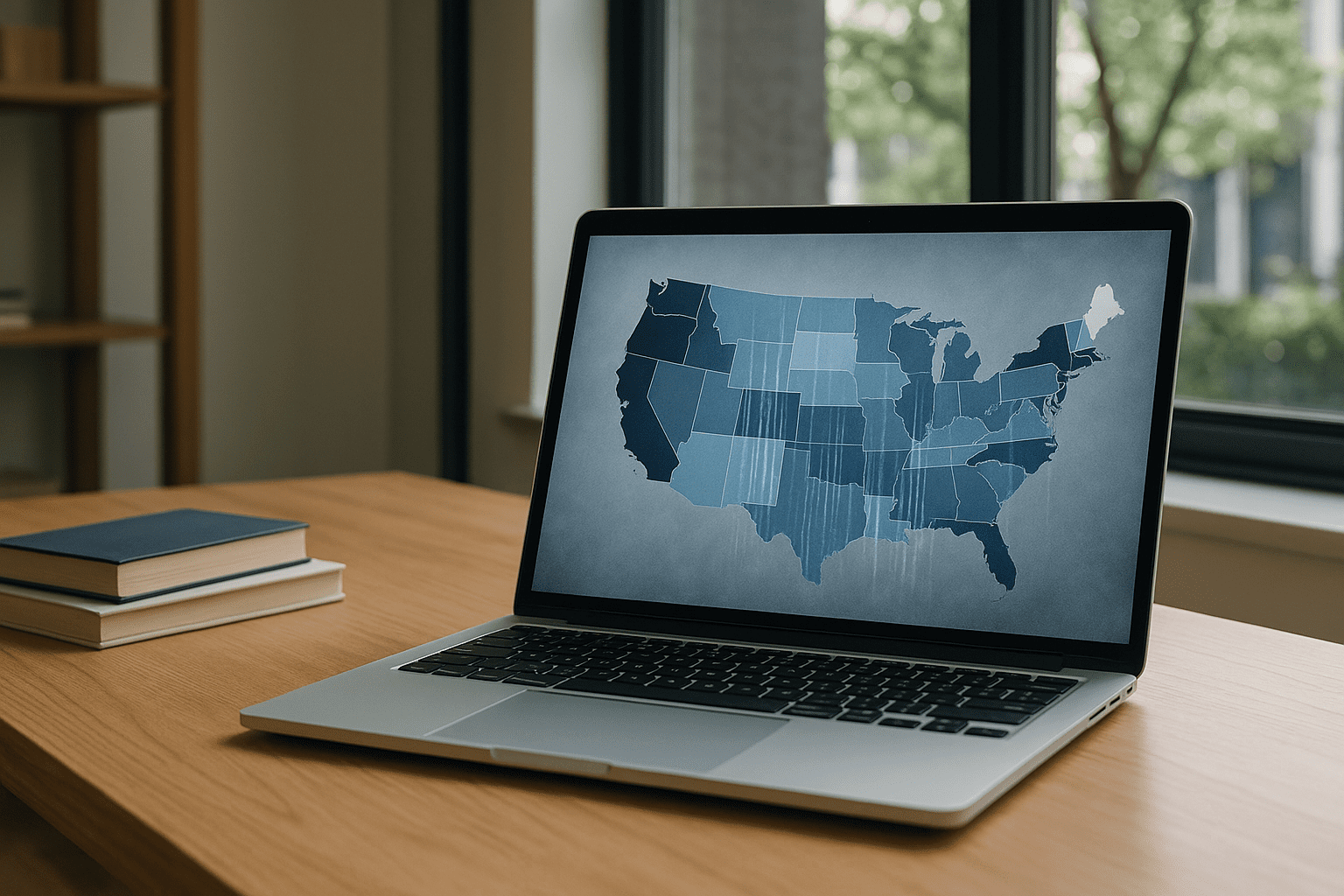
Public records often seem like a stable and straightforward resource: a place where anyone can turn to learn more about individuals, properties, businesses, and legal matters. Yet this assumption quickly encounters complexity when moving across state lines within the United States. What one state considers readily accessible, another might tightly restrict or charge hefty fees for. This variation is not only a legal or procedural curiosity but also a lived experience that shapes how people access information in everyday contexts.
For anyone trying to navigate public records, the state-level differences act as a subtle gatekeeper. Access to court records, for example, can vary from open digital portals with broad search capabilities to in-person visits with limited hours and manual requests. The nuances emerge from each state’s history, legislative priorities, and technology adoption pace.
Tracing the Roots of Public Records Laws
The foundation for public records access lies in state open records laws, often called sunshine laws or freedom of information acts, which govern how government-held information is shared. Every state has its own version, shaped by local policy debates, political culture, and public attitudes toward transparency. Some states lean toward expansive public access, reflecting a strong tradition of government accountability. Others adopt a more cautious or protective stance, balancing transparency with privacy concerns and administrative burden.
These foundational laws define categories of public records with varying accessibility. For instance, criminal records, property deeds, and court proceedings may be treated differently depending on state statutes. Likewise, exceptions often exist for sensitive information, including juvenile records or medical data, further complicating what is truly accessible.
The result is a patchwork where the same type of record may be easy to find in one place but elusive in another. This inconsistency can frustrate people doing background checks, genealogical research, or verifying identity details.
Technology and Infrastructure Differences
Where states differ notably is in how technology supports public records access. Some have invested in comprehensive digital platforms that allow online searching, downloading, and even payment for records. Others maintain legacy systems requiring physical visits or phone requests. The digital divide among states reflects resource disparities and administrative priorities, leaving some users at a disadvantage simply because their jurisdiction has not modernized its records infrastructure.
Moreover, technological rollout affects not only ease of access but also the amount of searchable data. States with advanced systems may upload records promptly and provide expansive metadata to aid searches. In contrast, paper-bound or poorly indexed records databases demand more legwork and sometimes yield incomplete results.
This gap impacts legal professionals, journalists, and everyday citizens with equal force. A researcher in a state with robust digital access might quickly locate a court ruling, while someone in a different state could spend hours or days piecing together the same case from siloed print records.
The Role of Fees and Administrative Processes
Beyond technology and law, state-level fees create another layer influencing public records accessibility. Some states provide these documents free or for nominal costs, supporting the idea that transparency is a public good. Others impose fees to recover administrative expenses or raise revenue, sometimes reaching levels that discourage casual or broad use.
These costs can be unpredictable. For example, requesting a simple certified birth certificate might be affordable in one state and significantly more expensive in another. Legal records requests can carry steep fees for copies or searches, particularly when they involve historical documents requiring manual retrieval.
Administrative processes also add complexity. Requirements such as notarized requests, identity verification, or limit on number of records requested at once vary widely. This procedural diversity shapes the practical experience of accessing information, potentially serving as a deterrent or source of confusion.
A Human Story Behind Variations
When observing these state-level differences, what emerges is a living interaction between law, technology, policy, and human behavior. People seeking public records bring diverse needs and expectations. Some pursue familial connections, others verify employment or tenancy eligibility, while many simply work to understand their community or hold institutions accountable.
The patchwork of state laws and systems creates uneven experiences. For some, finding the records they want means navigating layers of bureaucracy and technological friction. Others glide through seamless interfaces. This divergence reflects broader themes about how information is controlled and who has access in a democratic society.
As technologies evolve and calls for transparency grow louder, observing these state-level differences reminds us that accessibility is not just legal text but a lived reality bound up with history, policy, and infrastructure.
For current information about specific state laws governing public records and transparency, resources like the National Freedom of Information Coalition offer insights and links. Additionally, the Reporters Committee for Freedom of the Press provides guidance that helps illuminate how journalists access public information under varying state regimes.
Understanding these factors can help individuals approaching public records searches with realistic expectations and strategies tailored to their jurisdiction.
Ultimately, the landscape of public records accessibility reflects the complex balance between openness, privacy, cost, and administrative capacity. Tracking how these elements shift across the United States provides an ongoing lesson in how information flows shape public life.
Observing these differences encourages a grounded perspective about what public records represent in practice and the meaning of accessibility in a federated system with varied local approaches.
The web of records, rules, and resources extends beyond mere data to a rich story about governance, trust, and the lived experience of transparency.
Whether navigating background checks, family history, or civic research, acknowledging these state-level nuances is essential for anyone relying on public records as windows into identities and institutions.
Sources and Helpful Links
- National Freedom of Information Coalition, offering resources on state public records laws and transparency advocacy.
- Reporters Committee for Freedom of the Press, providing guidance on accessing public records under varying state laws.
- USA.gov State Government, a gateway to official state websites including public records offices and transparency portals.
- National Conference of State Legislatures, tracking state open records laws and legislative trends.