
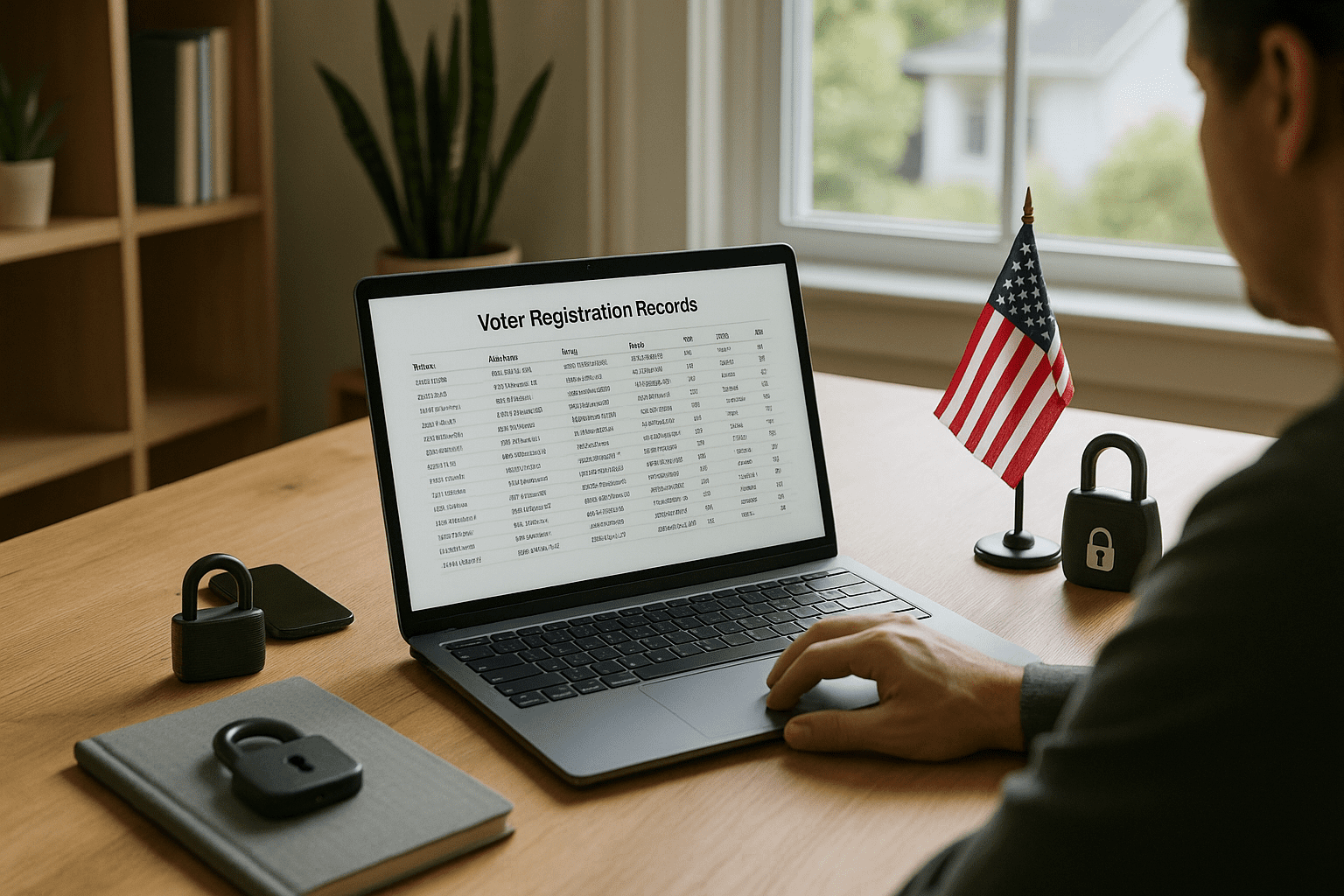
Voter registration data occupies a unique place at the intersection of public transparency and individual privacy. This data, which for decades has been foundational to democratic processes, is now the subject of subtle shifts in how much is openly disclosed. Beyond election officials and political observers, these changes ripple into the domain of identity verification, a field that increasingly relies on public records to confirm who people are and where they live. The ongoing adjustments in data accessibility reveal deeper questions about privacy, data use, and trust in the information economy.
The Quiet Shift in Public Data Availability
Traditionally, voter registration lists have been a clear example of open public records. They include details like names, addresses, party affiliations, and participation in past elections. These pieces of information have served not only to validate voter eligibility but also to reassure observers that elections are conducted transparently. Over time, outside organizations started to see these records as valuable for purposes ranging from political campaigns to identity verification processes in financial services and beyond. However, in response to concerns about privacy and data misuse, many states have chosen to limit what portions of voter registration data are freely available.
These limitations often come in the form of redactions or restrictions on bulk downloads, which make it harder for external users to gather comprehensive voter data en masse. The U.S. Election Assistance Commission points out that policies vary widely by state, each navigating a unique balance between public access and protections against misuse. Some states have adopted more protective stances, citing harassment fears and concerns about identity theft, while others maintain relatively open files.
Implications for Businesses Relying on Public Records
Organizations verifying identities, such as banks, insurers, or online service providers, often check multiple data sources to confirm details. Voter registration data has been a convenient reference point due to its wide coverage and official status. When access to this data changes, these entities face practical challenges. Missing or redacted data requires adjusting verification algorithms or seeking alternate sources, which may not have the same reliability or coverage.
Protocols like Know Your Customer (KYC), mandated by financial regulators, depend on trustworthy data streams to reduce fraud and verify users promptly. Without full voter registration information, companies turn more heavily to other public and commercial records, such as utility records, motor vehicle registrations, and credit histories. Yet these alternatives come with their own limitations, whether slower update cycles, gaps in coverage, or stricter privacy protections. The Privacy Rights Clearinghouse presents this evolving tension, revealing how the demand for robust identity checks sometimes clashes with individual privacy rights.
Privacy Concerns Prompting Change
The underlying noise pushing states to restrict voter roll disclosures revolves around privacy and safety. Publicly available voter registration information has been used maliciously in some cases, including harassment campaigns or identity fraud. Advocates for tighter controls argue that safeguarding address and party affiliation details can help protect vulnerable individuals. On the other hand, transparency supporters caution against too much restriction, fearing that it might obscure potential election irregularities or reduce public confidence.
Institutions such as the Brennan Center for Justice emphasize the complex trade-offs involved. Their research shows that while privacy protections are necessary, overly restrictive policies risk undermining the oversight of elections and democratic accountability. It is a delicate balance where the importance of safeguarding individuals must be weighed against the collective need for transparency.
The Evolving Strategy of Verification Services
As voter roll data becomes less comprehensive or accessible, verification service providers are finding that relying on a single source is no longer viable. Instead, they adopt multifaceted systems that aggregate data from multiple databases, weighing each source’s strengths and weaknesses. This fusion of information helps fill gaps left by redacted voter data and reduces the risk of inaccurate conclusions based on incomplete records.
For example, utility records are often quicker to update address changes but may lack confirmatory identity details. Motor vehicle registrations add geographic verification, but the information varies by state. Credit reports offer detailed personal information but are tightly regulated due to their sensitive nature. The combination of these sources requires sophisticated analytics to interpret inconsistencies and present a coherent picture of an individual’s identity. This trend reflects a broader shift towards layered verification approaches that mitigate risks inherent in any one data source.
What This Means for the Public and Policy
These changes in voter registration data access also reshape the public’s understanding of what it means to have personal information recorded and shared. Individuals may be unaware that their participation in elections has long been part of public records, nor how the availability of this data affects both civic scrutiny and commercial verification.
Policymakers and businesses alike need to remain attentive to evolving laws and practices governing voter data disclosures. Further adjustments are likely as states evaluate the impacts of their current policies on privacy, security, and public participation. The ongoing dialogue highlights a moment where democratic values, technological capabilities, and privacy rights intersect in complex ways.
Identity verification itself is becoming more adaptive. The relationship with voter registration data is less fixed than before, pointing toward a future where continuous adjustment will be necessary. Monitoring how this landscape develops offers insight not just into verification challenges but into the broader patterns of data transparency and individual rights in the digital era.
Sources and Helpful Links
- U.S. Election Assistance Commission – An overview of voter registration data access and federal guidance.
- Privacy Rights Clearinghouse – Resources on data privacy including voter data concerns.
- Brennan Center for Justice – Discussion on voter roll transparency and election security.