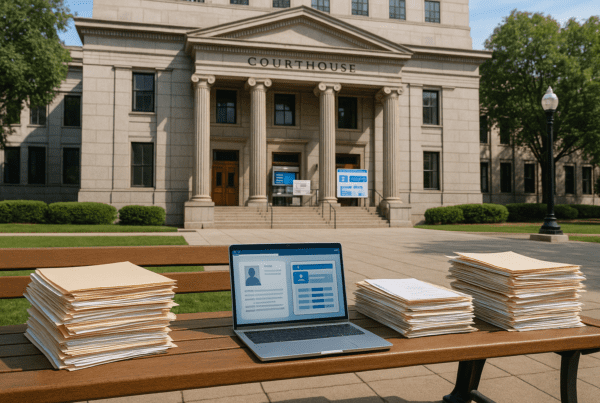

The interplay between public records availability and data access laws is an evolving landscape. Recent amendments to these laws carry implications for how public records are accessed, managed, and regulated. Observing the changes reveals a nuanced negotiation between public interest in transparency and privacy protections that increasingly color data policies.
A Shifting Landscape for Transparency and Access
Public records have long served as a cornerstone for accountability and transparency in government and society, offering essential information ranging from property ownership to court proceedings. However, the recent legal shifts reflect growing concerns about privacy rights and data misuse, prompting lawmakers to update access conditions.
Amendments frequently focus on tightening controls around sensitive information. For example, modifications to certain public records statutes now more clearly define what qualifies as personally identifiable information, broadening protections for individuals. That means some records previously available may now require additional scrutiny or redaction before release.
Balancing public access and individual privacy remains challenging. Stakeholders such as journalists, researchers, and private citizens often rely on easily accessible records to inform their work and daily lives. Meanwhile, those affected by expanded privacy measures may find hurdles in obtaining records that once appeared straightforward. This tension plays out in legislative sessions and regulatory clarifications nationwide.
Impact on Common Types of Records and Requests
Not every record type experiences the same degree of change. For instance, court records and property databases may see delays or newly mandated redactions to obscure personal details like social security numbers or addresses. Law enforcement records, too, might be subject to stricter exemptions under recent law adjustments, reflecting safety and security concerns.
Meanwhile, public health and vital records are affected somewhat differently. With ongoing debates around medical privacy and emerging digital health data, amendments often provide clearer rules on how these records can be requested and who is eligible. Some jurisdictions have introduced requirements for more formal authorization processes, slowing down what was once a routine inquiry.
At the same time, records compilations used by data brokers and information services face new compliance landscapes. Amended laws may require these entities to register, limit uses, or provide opt-out options, affecting how aggregated public data is sold or shared.
The Role of Technology and Data Management
Technology plays a crucial role in both driving legal change and shaping how public records are managed. Digitizing records has made access easier and faster, but it also raises concerns about leaks, hacking, and unintended exposures of sensitive data.
Recent amendments often include provisions designed to improve security standards for agencies maintaining public records databases. Encryption requirements, audit trails, and stricter user authentication are becoming more common, supported by evolving technical guidelines. Yet the pace of technology sometimes outstrips legislation, leaving gaps or ambiguities that agencies must interpret carefully.
This environment requires record custodians to strike a balance between openness and protection, investing in both infrastructure and policies. The increased operational costs and complexity can influence how quickly and broadly records are shared with the public.
What This Means for Users Searching Public Records
For ordinary people and professionals who depend on public records, these legal amendments often translate into a more complex access experience. There may be new forms to fill out, identity verification steps, or longer wait times for permissions. In some cases, fees might increase to cover enhanced privacy compliance efforts.
Transparency advocates point out that while protecting sensitive data is crucial, excessive restrictions risk undermining the core value of public records as a tool for accountability. Conversely, those concerned about privacy see these changes as overdue corrections to an era of unchecked data exposure.
The environment encourages users to be more informed about their rights and the specific regulations in their states or localities. This awareness helps anticipate what types of records are readily available and which might require navigating more stringent processes. It also suggests a growing role for intermediaries-paralegals, journalists, and data professionals-who understand the evolving frameworks and can assist others.
A Landscape Still in Flux
The amendments to data access laws are part of a broader push to recalibrate the relationship between public transparency and privacy protection. Observers and stakeholders can expect continuing legislative activity and regulatory updates as lawmakers respond to technological changes and public concerns. These developments point toward a future where accessing public records is more deliberate and guarded, but hopefully still effective for those with legitimate needs.
As this area evolves, it will be important to watch how agencies implement new rules and how courts interpret them in balancing openness with privacy. The practical impact on public records availability will vary regionally and by record type, underlining the ongoing complexity of this legal and social frontier.
For anyone working with or relying upon public records, the recent amendments underscore a shift in mindset toward cautious stewardship of information combined with a need to understand the legal landscape carefully. Observing these changes helps illuminate the trade-offs that shape modern data access in a connected world.
To explore current public records regulations, it can be helpful to consult official state resources or guides from recognized entities that monitor open records laws. These provide vital context for how amendments are applied in practice and reveal the balance in maintaining accessible yet protected records repositories.
Sources and Helpful Links
- National Conference of State Legislatures – Tracking changes and trends in public records laws nationwide
- FOIA.gov – Resources dedicated to the federal Freedom of Information Act and its amendments
- Privacy Rights Clearinghouse – Information about privacy laws affecting public and personal data access
- USA.gov Public Records – Government guide to public records access and regulations