
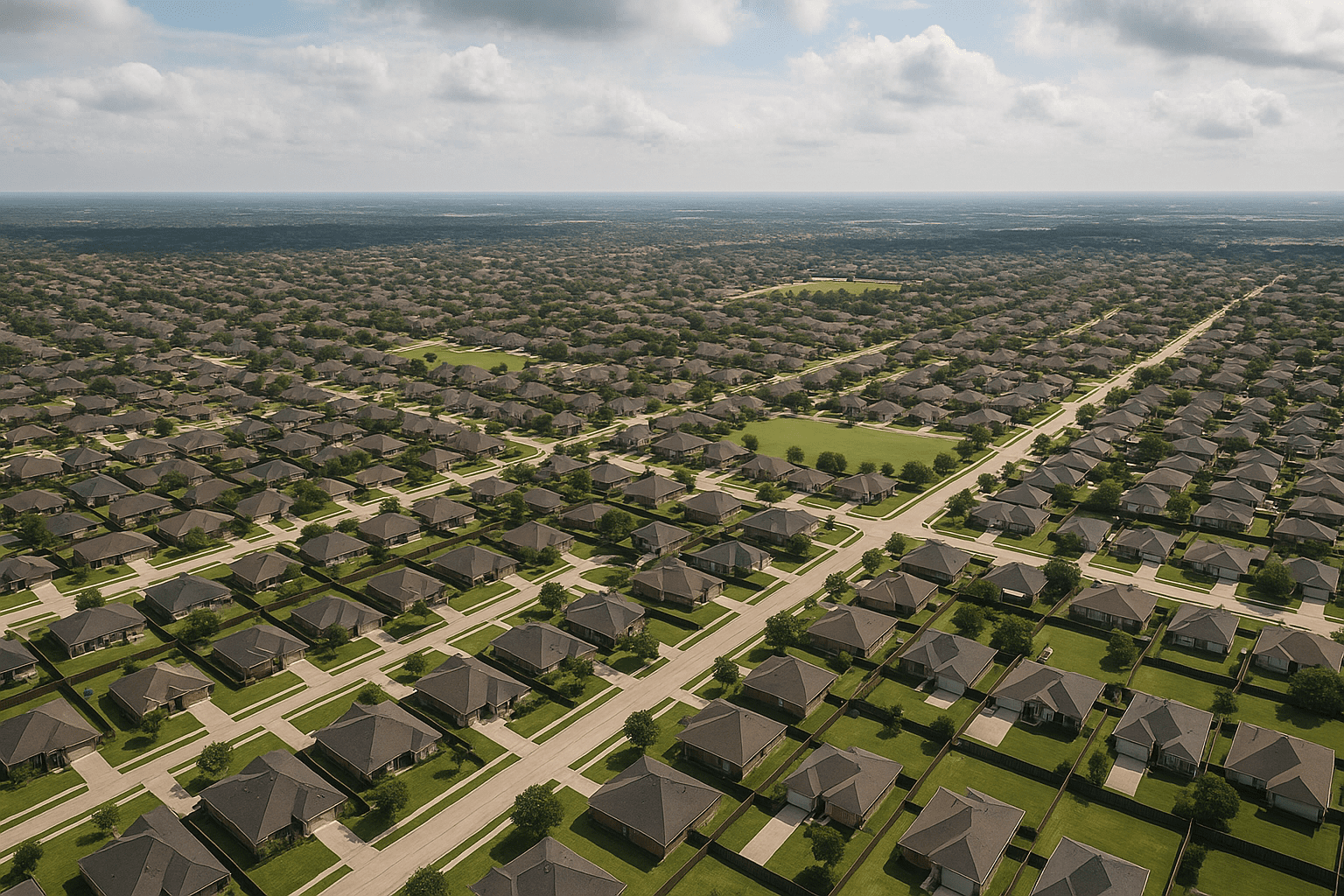
Suburban landscapes continue to evolve, and public records provide a detailed map of this expansion as well as the broader population shifts away from dense urban centers. Observing these real-world data patterns over the years unfolds a narrative about where people are moving, what kinds of homes are in demand, and how communities are spreading out across the landscape.
Trends Unfolding Beyond City Limits
Public records on property sales, building permits, and population data reveal an ongoing movement that often goes unnoticed in headlines. Rather than crowding urban cores, many households are choosing to relocate to suburban and even exurban areas, creating pockets of growth far from traditional metropolitan boundaries. This is partly driven by rising housing costs in cities but also by changing preferences for space and lifestyle.
Data from housing permits in recent years signal a steady climb in suburban developments where new residential projects are approved in clusters rather than isolated ones. This pattern points to localized booms in neighborhoods that were once quieter, often detected through public records available from county and city planning departments. The relationship between these permits and property transactions often shows a domino effect, with new construction stimulating secondary sales and further commuter influx.
Public Records Reflect Shifts in Household Location
The granular nature of records like address histories, voter registrations, or county-level population reports helps illuminate the subtle population redistribution. Some suburban counties register consistent net gains in residents year after year, confirmed by updated records accessed through government databases and housing studies. This decentralized spread doesn’t just reshape where people live but influences local economies, school enrollments, and infrastructure demands.
One particularly revealing aspect of public records is how they show the timeline of this movement. For example, property tax records often display pronounced increases in suburban zones over decades. These tax shifts occur alongside the reductions or stagnations in urban districts, indicating longer-term population flows that reflect both economic shifts and lifestyle choices. When cross-referenced with U.S. Census data and publicly available demographic reports, a picture emerges showcasing suburbanization’s persistence despite varying economic cycles.
New Community Profiles Surface in the Data
Another layer in public records points to the changing profiles of these suburban areas. Over time, census tract-level information reveals varied demographic compositions, from younger families seeking affordable homes to older residents relocating for quieter surroundings. Public records for school districts and community services also often reflect these demographic currents, showing how population decentralization alters public resource demand. These records are available through government portals offering detailed insights about education enrollment, local government budgets, and social services.
Interestingly, this data also uncovers signs of gentrification spreading beyond city centers, not only in traditional suburb hubs but also in previously rural or transitional zones. Property deed records and real estate databases show increases in median home prices and new residential developments in these regions, demonstrating how economic pressures still ripple across more distant landscapes.
Infrastructure and Planning Respond to a Wider Footprint
Public records related to infrastructure projects, zoning changes, and transportation development shed light on how municipalities are adjusting to these spatial expansions. Planning meeting minutes, infrastructure budgets, and road project filings found in government archives reveal coordinated attempts to catch up with the shifting population. The dynamic between public record releases about transportation and building codes also indicates a strategic response to the growing suburban demand, highlighting how local governments track and adapt to population distribution.
This distributed growth challenges traditional service models. For instance, new school construction records reflect increased demand far from old urban hubs, and traffic studies show altered commuter patterns that affect regional planning. Public records document these adjustments continuously, which makes them valuable tools for observers trying to understand how suburban areas cope with expanding populations.
What the Numbers Teach About Changing Community Life
Reading public records as a narrative of population change uncovers more than just housing trends; it speaks to shifting social landscapes. The data illustrates how the push to peripheral areas interacts with cultural, economic, and political factors. The movement towards decentralized living often correlates with shifts in work habits, such as telecommuting, that public employment and income records can partially reveal.
Furthermore, records related to utilities and public health offer glimpses into how suburban expansion affects quality of life and access to services. Water usage reports, health department statistics, and environmental impact statements, accessible through public repositories, show the complexities of growth and how communities balance development with sustainability concerns.
Overall, public records provide a quiet but rich story about how suburban expansion and population decentralization unfold over time. These archives invite us to observe the real conditions people face, how neighborhoods transform, and what the future might hold for scattered communities across the country.
For those looking to dive deeper, county assessor websites, local planning departments, and national census resources remain primary gateways to this evolving data landscape. They offer steadily updated information that, once connected, reveal patterns far greater than individual transactions or demographic snapshots.
Sources and Helpful Links
- U.S. Census Bureau – Vital population and housing data covering national and local trends.
- U.S. Department of Housing and Urban Development Data Sets – Information on housing permits, affordability, and urban planning trends.
- Colorado State University Center for Public Records Studies – Insights into public records use and urban development patterns.
- Regional Planning Associations – Data on infrastructure projects and demographic changes at the regional level.