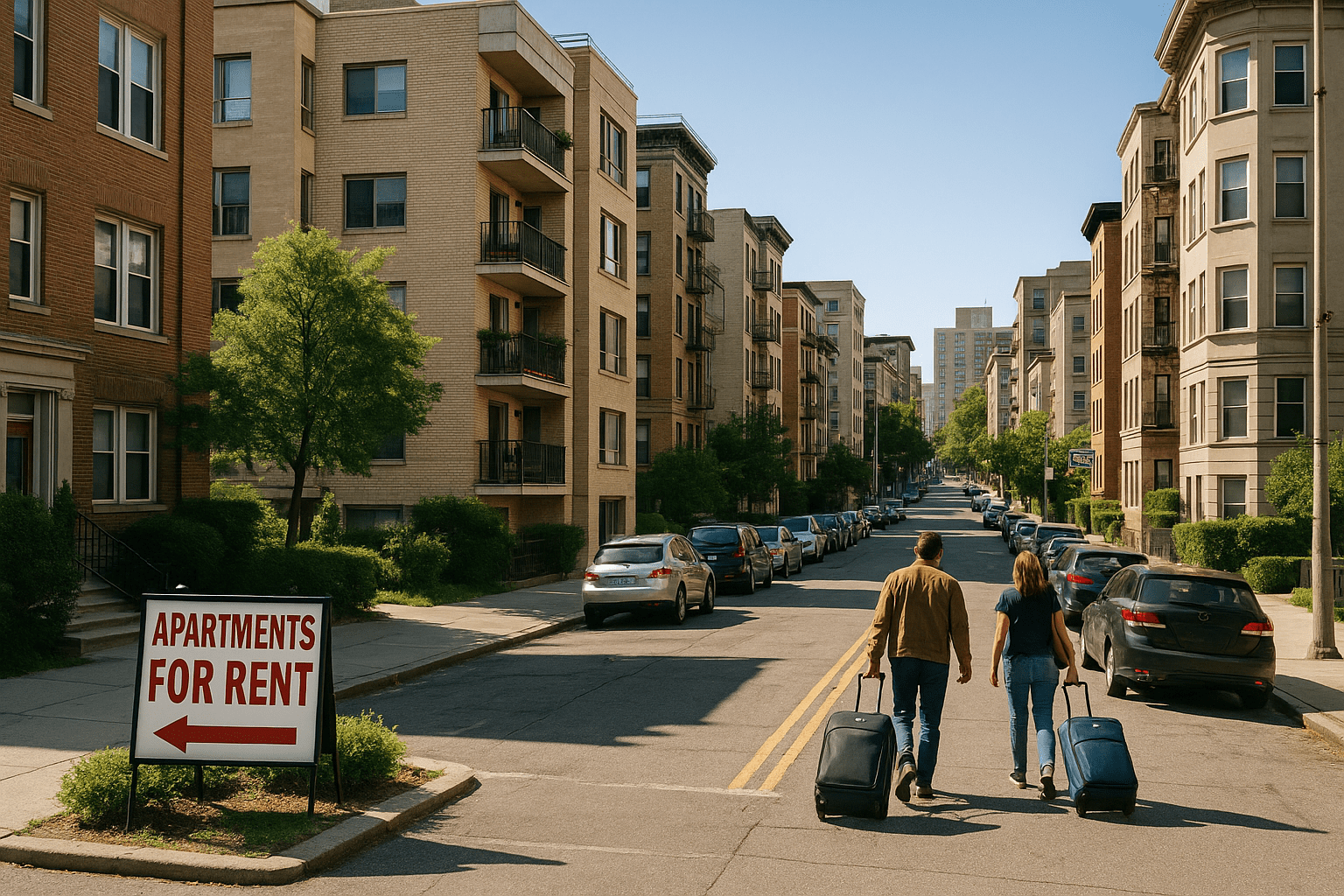
Observing shifts in where and how people live is something that public records have quietly chronicled for decades. More often than not, the story shows up as a subtle change in address history, property transactions, or lease records rather than headline news. Lately, a pattern that has caught the eye is the increase in temporary and short-term residences, a reality that public data helps illuminate like few other sources can.
Sifting Through Address Histories to Spot Short-term Living Trends
When someone changes residences frequently, especially over a span of months rather than years, that behavior starts to show up in aggregated public records. Residential history, often a patchwork of rental registrations, property ownership changes, and utility accounts, reveals more those short-term stays than you might expect. Though no single record can spell out “temporary housing” distinctly, the repeated movement itself is a strong signal.
What stands out in public data is how many people are recorded in multiple addresses within a short timeframe, often dipping below a one-year span at each location. This stands in contrast to traditional long-term homeownership or stable rentals that mark previous decades of residential stability. Agencies that maintain property tax data, rental permits, and change of address filings provide the bones for this observation.
For instance, analysis of widely available housing supply data from HUD can complement local property databases, revealing places where short-term rentals or lease turnovers spike. These clues in public records help capture a side of the housing market often missed by traditional census snapshots.
What Counts as Temporary? Parsing Residency in a World of Flexible Living
Understanding what public records classify as temporary or short-term is complicated since official definitions vary. Some records note lease durations, but many simply track occupant names linked to properties with no context for length or intent. The rise of platforms for short-term rentals, shared living spaces, and co-living arrangements adds layers making it harder for data to fully capture.
Still, by cross-referencing multiple sources such as utility records, rental registrations, and even local court filings for eviction or lease disputes, a clearer picture emerges. These cross-links entrelace to show just how dynamic many people’s living situations have become. Reports from housing advocacy groups often draw on such aggregated public data to highlight shifts in housing affordability and availability.
Officials in some cities openly use public records to track the impact of Airbnb-style rentals on neighborhoods. Looking at American Housing Survey data alongside local rental permits offers a way to estimate temporary residence prevalence beyond anecdotal reports. Public records allow us to see these residency patterns playing out over years, not just headlines.
Geographic and Demographic Patterns Reflect Changing Ties to Place
Another layer public records reveal is where temporary and short-term residences cluster and who is more likely to move frequently. Urban centers with high rental demand and tourist appeal often show the densest concentrations. Areas where economic opportunities demand mobility, such as near universities, tech hubs, or seasonal work zones, also display high turnover in address records.
Demographic data layered with public residential history suggests younger adults, recent graduates, and transient workers tend to dominate these short-term living trends. This is consistent with broader societal shifts toward flexible lifestyles and the gig economy. Public property records, combined with voter registration changes and employment records, help flesh out these backgrounds without speculation.
Meanwhile, some suburban and rural zones show increased short-term leasing that correlates with secondary homeownership or vacation stays documented by property tax assessments. This illustrates how temporary residency is not limited to inner-city apartments but manifests in various ways across landscapes.
Public Records as a Lens on Residency in Transition
The rise in temporary and short-term residences is more than a passing real estate fad. It highlights how people’s ties to traditional, fixed addresses evolve in response to economic pressures, lifestyle choices, and emerging technologies. Public records form a unique archive of this evolution, capturing movement through the mundane filings of leases, deeds, and registrations.
Still, limitations exist. Many short-term residents live in situations where official records delay or do not fully reflect their presence. Informal subleases, unregistered stays, and cohabitation arrangements slip through the cracks that public data tracks. However, the broader signals remain accessible and indicate a steady trend toward greater address flexibility.
This shift carries implications for everything from urban planning to social services, where knowing who is where and for how long is vital. By watching the patterns concealed within public records, observers can better reckon with the realities of modern housing and residential mobility.
As address histories become more layered and complex, public records will continue to reveal unexpected facets of how people connect with place in a world increasingly marked by temporary stays and transient roots.
Discovering these patterns depends on careful aggregation and interpretation rather than simple observation, and public data sets remain a foundational resource-quiet but powerful-for understanding the rise of temporary living.
Exploring further how public data supports this understanding is possible through resources like HUD User housing data reports and local government property databases, which provide ongoing insights into housing trends and residency behavior.
For people interested in the connections behind addresses and the deeper story public records tell about our changing relationship with home, these records offer both a challenge and a guide to decoding the movements that define modern living.
It turns out the simple facts of public records, when pieced together thoughtfully, open a window on how impermanent residence has steadily gained ground where we live and how public information quietly tracks this shift across the nation.
Ultimately, these residential rhythms, visible in address logs and property filings, are testament to the adaptability of people and spaces amid the complexities of today’s housing environment.
Sources and Helpful Links
- U.S. Department of Housing and Urban Development affordable housing supply data – Provides data on housing availability and trends relevant to short-term residency patterns
- American Housing Survey – Offers detailed housing characteristics and residency duration metrics across the U.S.
- HUD User housing data reports – Resource for analytical reports on housing market and residency data trends