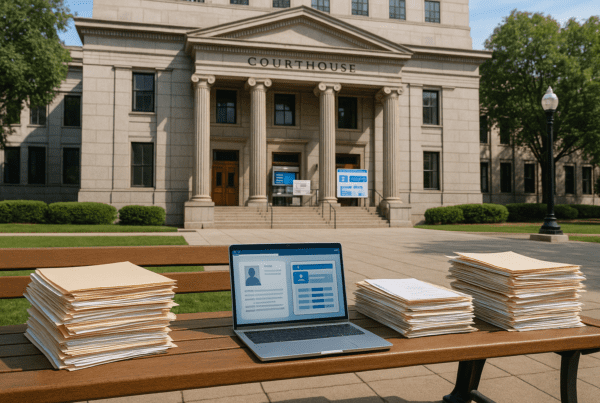
Juvenile records have long occupied a complex space between public interest and individual privacy. The treatment of these records within public searches reflects evolving societal values and legal priorities. Recent regulatory changes offer a fresh lens on this delicate balance, redefining who can see these records and under what conditions.
A Shifting Landscape Amid Calls for Privacy and Safety
Historically, juvenile records were often sealed to protect young individuals from the lasting consequences of early mistakes. This was especially true in public databases accessible by employers, landlords, or casual inquirers. The rationale is rooted in the idea that juveniles are still developing, and exposure to their youthful missteps can unfairly hinder future opportunities.
However, the public safety argument complicates this protection. Certain offenses involving juveniles, especially those deemed serious, have raised questions about outright privacy. Communities and legal authorities have pushed for more nuanced access that acknowledges the seriousness of some actions while still offering a chance for rehabilitation.
Regulatory updates in various states and at the federal level now reflect these competing demands. Some jurisdictions have tightened access, making juvenile records less available in generic public searches, intending to preserve privacy. Others have introduced criteria where specific types of juvenile offenses become accessible under stricter conditions.
For instance, offenses classified as violent or those that meet particular thresholds may remain part of the public record. This dual approach requires search services and data aggregators to adjust their practices, ensuring compliance while also navigating a patchwork of state rules.
How Public Searches Adapt to New Requirements
Public search platforms, whether used by individuals or organizations, must now consider layered regulations when displaying juvenile records. This translates to filters that block default visibility of many juvenile records unless the request meets legal requirements or the offense falls into a publicly disclosable category.
These changes often mean that a casual people search will not reveal juvenile records as readily as before. Instead, mechanisms for justification, such as stating the purpose of the request or confirming eligibility under law, become part of the process. This added friction signals a conscious effort to limit unfettered access that could lead to discrimination or long-term harm.
But it also complicates transparency. Researchers, journalists, or legal professionals may face new hurdles when verifying histories. Knowing the specific requirements of each jurisdiction becomes essential, as does understanding the subtleties between sealed, expunged, or partially disclosed records.
Real World Impact on Individuals and Communities
For those whose juvenile records are affected, these shifts can be a mixed bag. The reduction in visibility can provide much-needed relief in building a future without being saddled by youthful errors. It aligns with modern rehabilitation philosophies, underscoring the belief in second chances.
At the same time, victims of juvenile offenses and public interest groups may feel a diminished sense of transparency and accountability. Balancing these perspectives remains a challenge for lawmakers and regulators.
Technological adaptations also play a role. As public record databases adjust access rules, records aggregators need to update their systems continuously. Some providers have invested in more dynamic, rules-based access management, while others face criticism for inconsistent enforcement.
The resulting environment is more layered than before, requiring users to approach juvenile records with greater care and an understanding that access is no longer uniform across regions or platforms.
Looking Beyond the Records to Broader Trends
Recent changes in juvenile records access fit into a larger pattern of evolving data privacy and use regulations. From health information to online profiles, society grapples with finding where privacy ends and public interest begins.
These debates extend beyond legal limits, influencing cultural attitudes toward accountability, forgiveness, and the ways technology amplifies access to personal histories.
As the rules around public records tighten, new questions emerge about how consistent enforcement will remain and what happens when records cross state lines or digital platforms. These are open areas that will evolve with ongoing legal challenges and technological advances.
In observing these shifts, it becomes clear that access to juvenile records will remain a contentious area that demands careful balance. The current push for reform highlights an ongoing negotiation between protecting young people’s futures and respecting the community’s right to transparency and safety.
With regulatory changes creating a more complex landscape, users of public records must stay informed and adapt. The evolving framework underscores that juvenile records are no longer a simple yes or no in public access, but a nuanced space reflecting broader social values.
Understanding these nuances prepares individuals and professionals to engage with public searches in ways that respect both privacy and accountability, adapting as the law and society continue to shift.
For deeper insights on juvenile record regulations and data availability, resources like the National Juvenile Defender Center and state government portals offer comprehensive, updated information tailored to various jurisdictions.
Similarly, privacy-focused organizations provide analysis of how changing laws impact individual rights and public safety considerations, adding context that helps navigate this evolving field.
The intersection of law, technology, and social expectation continues to redefine access to juvenile records, shaping not just what is visible, but what fairness and transparency mean in the digital age.
Sources and Helpful Links
- National Juvenile Defender Center – Offers detailed information on juvenile record laws and reform efforts across the United States
- U.S. Courts Records and Policies – Resource describing federal rules related to access to court records, including juvenile cases
- National Conference of State Legislatures – Updates on state juvenile justice laws and their impact on public records access
- Privacy Rights Clearinghouse – Insights into privacy issues surrounding juvenile records and public availability