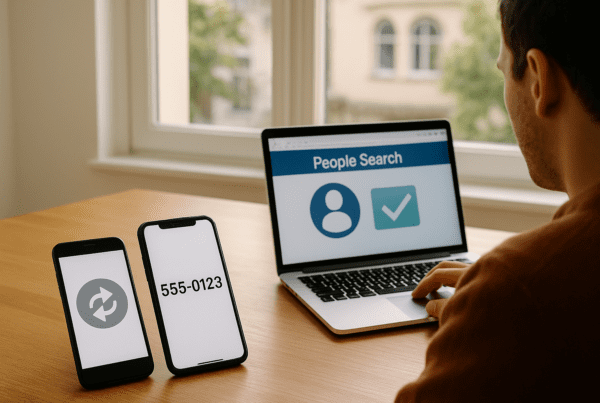
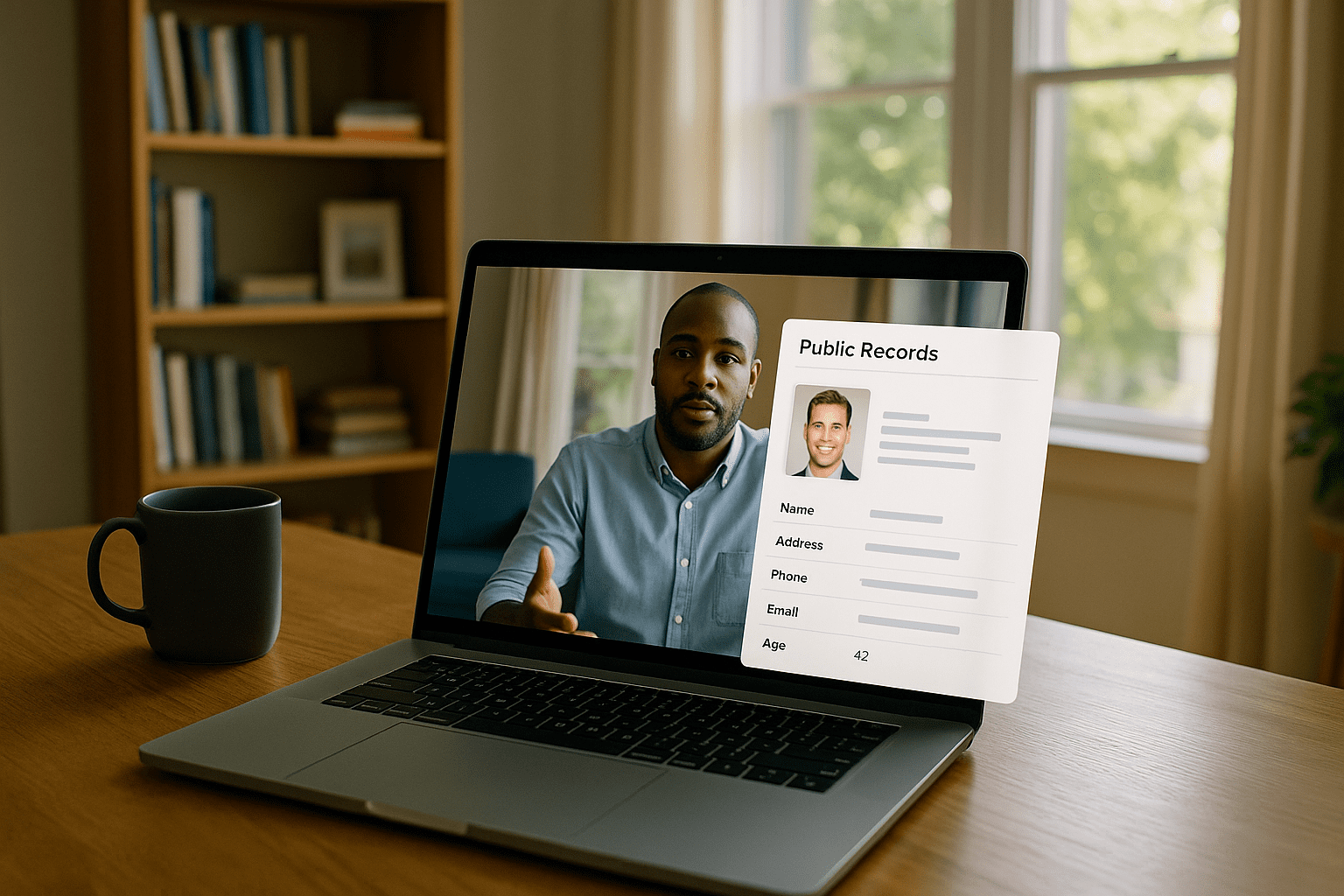
The shift to remote hiring has introduced new complexities for organizations trying to verify candidate information. Gone are the days when recruiters could assess applicants through personal interactions alone. Now, with much of the process conducted online, the risk of misinformation rises and traditional verification methods sometimes fall short. In this landscape, public records have taken on greater significance as a dependable source to check identities and reveal potential fraud in ways that video calls or resumes cannot.
Challenges of Trusting the Virtual First Impression
Recruiters accustomed to in-person meetings often observe subtle nonverbal cues or contextual details that influence trust. These nuances naturally fade in remote settings, where a combination of webcam footage, digital forms, and self-submitted documents stand in place. This detachment invites candidates to present a polished but potentially misleading picture. Resumes might inflate roles, gloss over gaps, or claim credentials without easy verification.
Here, public records restore some ground by offering factual anchors. Databases containing criminal histories, address registries, licensing boards, and court records act as verifiable points outside the candidate’s control. When employers cross-reference these records, it becomes possible to detect mismatches in claimed experience, address history, or legal background that might otherwise pass unnoticed in purely digital interactions. The ability to confirm or question claims based on official data is becoming indispensable.
Interpreting Records in a Broader Context
Yet public records do not provide a silver bullet. They capture snapshots that may be incomplete, outdated, or contextually ambiguous. An applicant’s address history might show frequent changes for reasons unrelated to fraud, such as family or job transitions. Criminal records may reflect minor offenses from years prior that do not affect job suitability. Parsing these details requires care and often a layered approach.
Employers tend to look for patterns or discrepancies. If an applicant claims long-term residency in one state, but records show registrations in multiple locations during that time, it prompts further questions. Variations in name spelling or unexpected legal issues also serve as flags that merit deeper investigation. The goal is to assemble a mosaic rather than isolate on single points, blending records with interviews, references, and additional checks.
Many companies now incorporate public record searches alongside credit and education verification to add dimension to their background screenings. This multi-angle approach acknowledges that identity is complex and requires multiple data sources to build a reliable profile, especially when hiring remotely.
Balancing Due Diligence with Respect for Privacy
Employers must weigh the benefits of leveraging public records against ethical and legal obligations. The risk of acting on inaccurate or irrelevant information carries consequences not only for candidates but also for organizations facing legal scrutiny. For instance, the Fair Credit Reporting Act governs how background checks are conducted, mandating candidate notification and limiting the use of certain data in hiring decisions.
Transparency emerges as a cornerstone of responsible screening. Many organizations clearly communicate what checks will take place, giving candidates a chance to respond or clarify potential issues. Limiting access to sensitive data strictly to relevant hiring staff helps mitigate privacy concerns. The evolving conversation around fairness has pushed many employers to refine guidelines ensuring that background checks focus on information crucial to the role and do not unfairly penalize applicants for unrelated past events.
This push to strike a balance recognizes that while fraud prevention is critical, invasive or poorly managed data collection risks damaging trust and an employer’s reputation. Ethical screening proceeds with cautious respect for the human complexities behind public records.
Real Cases and Industry Responses
Instances of remote hiring fraud uncovered by public records range from falsified academic degrees to concealed criminal histories or inflated work experience. These occurrences underscore how much risk exists when virtual processes rely solely on provided documents and self-reports. Detecting such fraud early saves companies from financial loss, regulatory penalties, and damage to workplace culture.
It also sends a subtle but clear signal to the candidate pool that honesty matters and misrepresentations can be caught. This deterrence effect can elevate the integrity of applications overall, encouraging transparent communication from the start. Companies that integrate public record checks with interviews, reference calls, and skill assessments find themselves better equipped to make confident hiring choices despite geographic distance.
Technology developments promise further shifts. Artificial intelligence systems capable of rapidly cross-linking multiple public and proprietary data sources improve the speed and accuracy of background checks. Meanwhile, initiatives to digitize government records ensure greater accessibility for vetted employers. At the same time, watchfulness is necessary to avoid privacy pitfalls and bias that can seep into automated systems.
Ultimately, the growing role of public records reflects broader changes in employment practices adapted to a more virtual world. They help bridge the gap between what candidates say online and what can be verified independently. This evolving dynamic encourages employers and job seekers alike to engage in a more transparent and evidence-based hiring dialogue.
Resources such as the Federal Trade Commission’s guide on background checks and the National Association of Professional Background Screeners provide helpful frameworks for both employers and applicants navigating this complex terrain.
Sources and Helpful Links
- Federal Trade Commission Background Checks – Comprehensive consumer information about background checks and the laws involved.
- National Association of Professional Background Screeners – Professional standards and resources for background screening.
- Equal Employment Opportunity Commission Background Check Guidance – Information on legal requirements and discrimination considerations during employment screening.