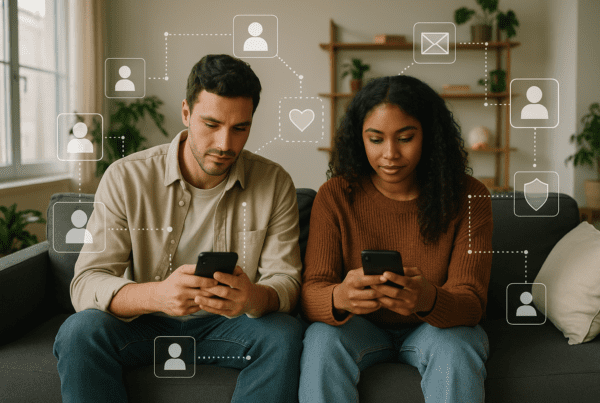

In the swirl of profiles and messages on dating apps, users often wrestle with a persistent question: can you really trust the information presented? As the digital dating landscape matures, there has been a subtle yet growing interest in using publicly available data to confirm relationship claims. What began as a mix of user reporting and algorithmic cues is now increasingly buttressed by tapping into public records and databases.
Tracing Reality Behind Profiles
Dating apps have always walked a tightrope balancing user privacy and the desire to foster genuine connections. Many people fill out their profiles with details about their marital status, relationship type, and past partners. Yet, these details depend largely on honest self-reporting. That delicate trust can be fragile given the incentives to appear more desirable or selectively present identity aspects.
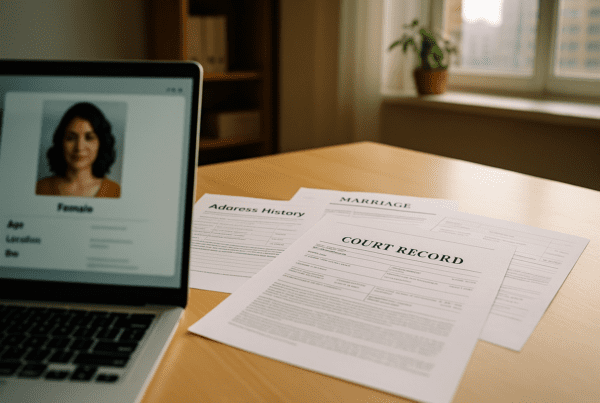
To address this, some platforms and third-party services have looked beyond the app’s internal data. They connect with public databases that catalog records like marriage licenses, divorce filings, and cohabitation histories. By matching names and locations, an app may flag inconsistencies or confirm relationship statuses you claim.
This does not equate to a fully automated background check but offers a layer of verification that reduces blatant falsehoods. For example, if someone claims to be single but a recent marriage record shows otherwise, that can raise a red flag. Users may then choose to proceed with added caution or seek clarification.
The Mechanics and Limits of Public Records
Public databases range widely in their scope, accuracy, and accessibility. Marriage and divorce records are among the most common, as many states and counties make these available online or upon request. Property records and address histories can also offer indirect clues about living arrangements and relationship entanglement.
However, the reliance on public information introduces challenges. Records may not be up to date, reflect delayed filings, or omit private agreements and separations that have not been legally finalized. Additionally, there are jurisdictional differences making uniform access difficult.
For dating apps, integrating this data requires careful filtering and privacy considerations. They must avoid infringing on users’ rights or exposing sensitive personal details indiscriminately. Thus, the verification tends to focus on confirming basic facts rather than deep dives into personal histories.
How This Affects User Trust and Experience
The presence of public database cross-checking subtly changes what users expect from online dating. Some appreciate the extra reassurance that basic relationship claims are not taken purely at face value. It can serve as a deterrent to misrepresentation, promoting more genuine interactions.
Others may view the practice warily, concerned about privacy erosion or mistakes in record matching. No system is perfect, and the complexity of human relationships means no database can capture every nuance or recent change. Also, dating by nature involves a degree of self-presentation and story shaping, which may not always align with rigid record facts.
This tension highlights a broader cultural shift around transparency in digital interactions. People want authenticity yet remain cautious about how much personal data is mined or shared. When dating apps strike the right balance in using public records, it can enhance confidence without feeling intrusive.
The Role of Third Parties and Emerging Tools
Besides app developers themselves, specialized verification services have become part of the ecosystem. These tools aggregate various public data sources and present summaries or risk indicators that dating platforms can opt to use. They focus on efficiently confirming identity aspects, thereby preventing catfishing and fraudulent accounts.
Technology also plays a growing role. Machine learning algorithms can analyze patterns and flag suspicious claims by combining public records data with behavioral signals from within the app. Still, this raises questions about fairness and accuracy, especially when users may face penalties based on imperfect data.
Transparency about how verification works and options for users to contest or clarify their information remain vital. The goal is not policing but fostering trustworthy environments where users feel safe to share and connect.
Looking Ahead: The Balance of Privacy and Verification
Public databases offer an intriguing resource to improve the realness of online relationships at scale. They provide a tangible check on claims that otherwise rely on unverifiable self-reporting. Yet, this comes paired with ongoing debates about privacy, consent, and the limits of data use in intimate contexts.
Dating apps will likely continue experimenting with these tools, refining their methods to support honesty while respecting individual boundaries. Users will also play a role in shaping norms, negotiating how much verification adds value versus detracts from freedom and comfort.
Ultimately, the interplay between public records and dating reflects a much larger story about identity, trust, and technology in our lives. It is neither wholly reassuring nor threatening but rather a complex feature of the modern search for connection.
For those curious about the details, platforms like Consumer Financial Protection Bureau provide insights on public record usage ethics, while state-specific websites explain access rules to marriage and divorce records. Also, resources from the USA.gov portal offer clear information on what public records are and how to obtain them.
As public awareness grows about the realities behind online profile claims, approaches leveraging these records will become part of the story everyone dating digitally navigates.
It is a delicate dance, but one that speaks to a universal desire for connection rooted in real knowledge.
Sources and Helpful Links
- Consumer Financial Protection Bureau Consumer-focused guidance on using public records and data in verification contexts
- USA.gov Marriage and Divorce Records Official sources and access details for marriage and divorce records across the United States
- Privacy Rights Clearinghouse Advice and considerations around privacy and safety in online dating environments
- Federal Trade Commission Data Privacy and Security Information on data use policies and consumer protections relevant to public data handling