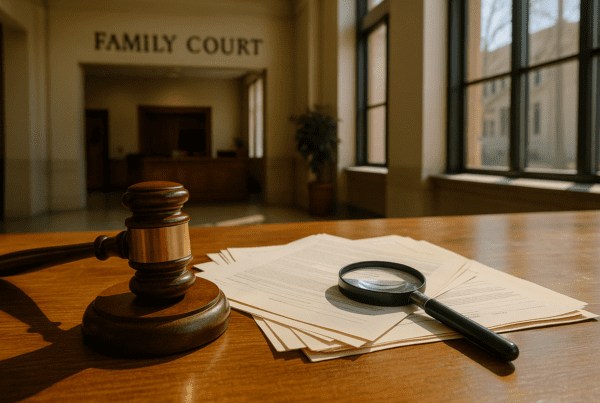
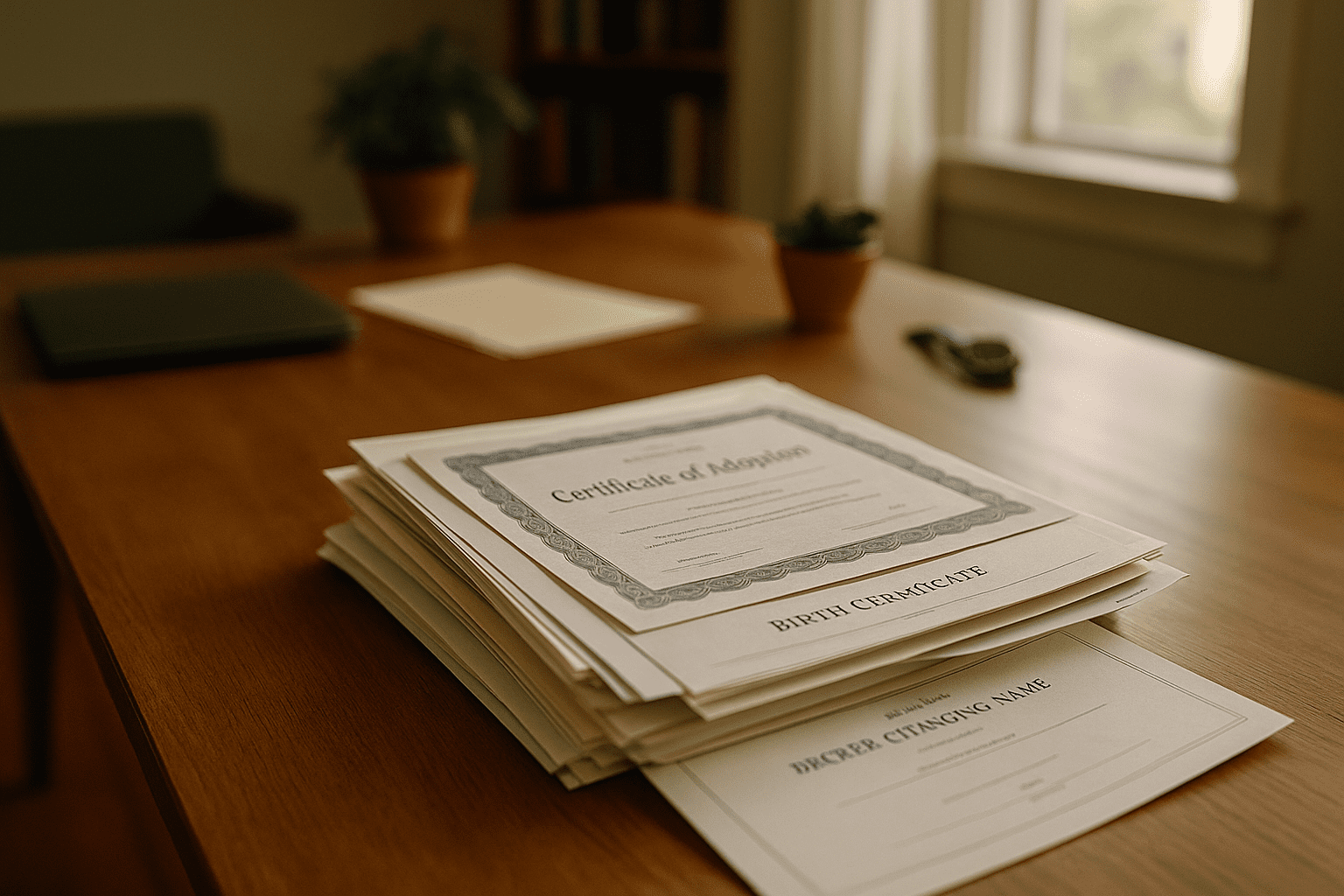
The ways families are connected often read like complex stories with chapters missing or rewritten. When adoption or legal name changes become part of a person’s history, piecing together family lineage can feel like tracing a map drawn with invisible ink. Public records serve as one of the few steady guides through this murky terrain, providing fragments that connect those seemingly disconnected dots.
The delicate layers behind naming and identity in families
On the surface, a family name is a label that travels down generations, giving quick clues about belonging. But in reality, that label can mask a far richer, and sometimes complicated, story. Adoption, remarriage, or personal decisions to change names can make straightforward family tracing unreliable, which is why documents kept by government agencies offer essential verification points.
For example, a birth certificate might list a biological family name, while a later legal adoption order or court transcript can reveal a new family relationship and name assignment. These details matter a great deal in understanding, both genealogically and legally, who is connected to whom. They also reflect the social and emotional intent behind those connections, not just data points on a sheet.
For many adoptees, the birth name and the adopted name coexist in parallel records, sometimes accessible only through layered research. This dual identity can also affect inheritance rights, medical histories, and personal identity validation. The tug between the original and adopted names speaks to the broader human experience of self-discovery and belonging.
Tying together the legal records with genealogical threads
Many who explore family trees come quickly to appreciate the modest treasure trove public records represent. Vital records, including birth, death, marriage, and adoption certificates, are often foundational. They help bridge the gaps that name changes create by confirming dates, places, and relationships.
Adoption records can be especially tricky. Depending on the jurisdiction, some adoption details remain sealed or partially restricted for privacy reasons. Even so, alternative records may offer clues. For instance, court dockets or probate records sometimes include names or mentions of adopted children, subtly confirming linkage.
Meanwhile, name change petitions, which often go through court approval, provide a public trail to a new identity. These petitions usually list the old name, the desired new name, and reasons for the change. They might also reveal family ties, which become crucial when original surnames shift due to marriage or personal choice.
It is also worth considering marriage and divorce records together with name change documents since these can reveal why a name changed. Stepfamily relationships introduced by remarriage appear in these records, expanding the concept of family beyond biological ties. These connections sometimes create legal family bonds, and public records help trace those less obvious branches.
The interplay between digital databases and traditional archives
In our connected era, many public records have become easier to access online. Websites connected to government offices or large genealogical organizations compile these documents, making cross-referencing faster. Still, there is nuance here. Not all records have been digitized or made available due to privacy laws, varying local policies, or incomplete backlogs.
Understanding how to navigate this landscape becomes part detective work, part patience exercise. For example, the National Archives and Records Administration (NARA) in the United States offers access to federal records but many adoption records are housed at state or county levels. Knowing which repository to consult adds a layer of complexity.
Online platforms such as NARA Adoption Records and CDC’s Where to Write for Vital Records guide users to appropriate authorities. However, no system captures every local nuance, and some records will require traditional in-person requests or formal applications.
Alongside these official sources, genealogy databases like FamilySearch Adoption Records offer indexes and guidance for navigating adoption and name change documentation. These resources blend archival material with user-shared histories, enriching the context available to modern researchers.
Real world patterns often reveal more than names alone
Beyond official certificates, public records offer context that helps fill gaps and outline family dynamics. Address histories, property deeds, and census records can chart where family members lived and how households evolved. This geographical progression often aligns with legal changes like adoption or name shifts, painting a richer picture than a single document alone.
For example, a child’s shift in residential records from a biological family home to an adoptive household can mark a transition sometimes missed if only names are scanned. Moving timelines echoed in voter rolls or school enrollment records may also provide clues about familial changes or guardianship.
It is worth noting that these patterns reflect the human part of family – choices, moves, and relationships that sometimes do not follow neat timelines or labels. A name on paper is a starting point, but it is the connections revealed through multiple types of records that tell a fuller story.
Even patterns of surnames appearing in local directories or social notices can suggest kinship or adoption links not obvious in vital documents. Researchers often find that triangulating these pieces can navigate around legal privacy curtains and fill in gaps left by sealed records.
Why understanding the limits and cautions matters
Public records, helpful as they are, come with inherent restrictions. Some adoption records might remain sealed to protect privacy, especially for cases involving minors or sensitive circumstances. Name change documents may omit personal details unrelated to legal approval, and errors in transcription or recording are not uncommon.
Researchers and those searching for family connections must keep expectations balanced. Public records act as signposts and guides but rarely provide instant, absolute clarity by themselves. They unfold context when combined with other bits of evidence, oral histories, and sometimes professional consultation.
This sort of layered understanding respects the complexity of identity and relationships while recognizing the importance of official record-keeping as a tool for historical clarity and legal recognition.
For anyone tracing lineage or verifying family ties where adoption or name changes are involved, public records remain a key component. They open windows to moments of personal change and social connection, anchoring the shifting landscape of family history in tangible facts.
Working through these documents often requires creativity and persistence, but it reflects an enduring human desire to know where we come from, and to understand how names, lives, and stories intertwine across generations.
In that search, a folder of official papers can turn from mere bureaucracy into a meaningful narrative.
Sources and Helpful Links
- NARA Adoption Records – A guide from the National Archives to federal adoption record resources.
- CDC’s Where to Write for Vital Records – Official portal for finding state agencies that hold birth, death, marriage, and divorce records.
- FamilySearch Adoption Records – Overview of adoption documents useful for genealogists and researchers.
- US Courts Records Management – Information about accessing court records, including name change petitions and adoption proceedings.