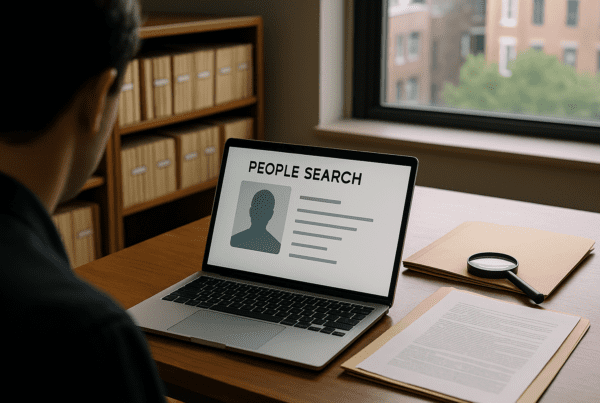
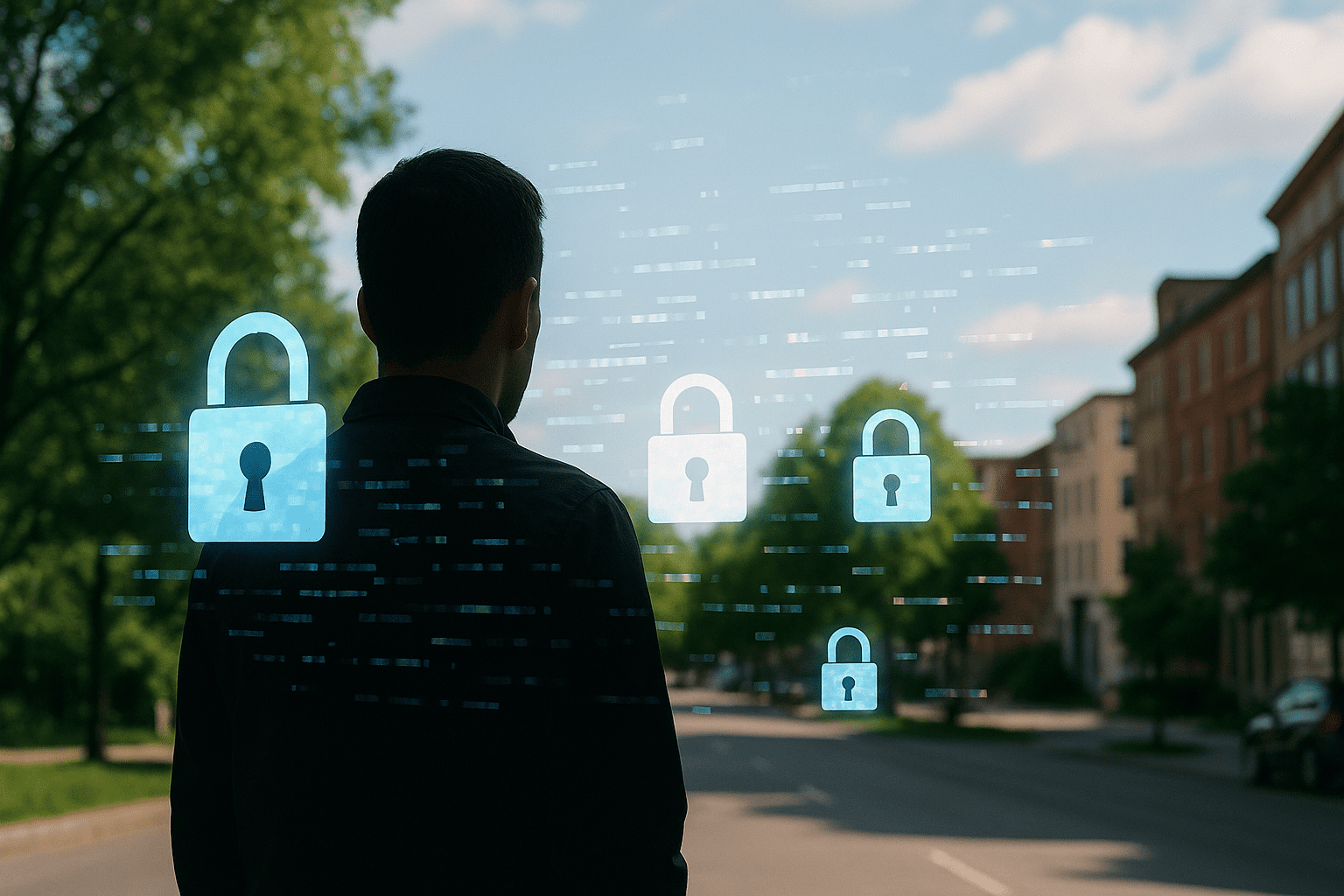
Over the past decade, as data breaches have become more frequent and impactful, there has been a noticeable shift in how people approach searching for others and managing their own privacy. The awareness that personal information can be compromised is no longer the concern of just big companies or governments, but daily conversations touch on leaks, exposed data, and identity risks. This undercurrent influences not just attitudes about privacy but also the very way individuals look up people or verify identities.
The subtle recalibration of trust in online searches
Before widespread headlines of massive breaches, looking someone up online could be a straightforward process. People trusted that public records and databases were reasonably secure and accurate. Increasingly, that trust feels conditional. When incidents reveal that extensive personal data might be floating through dark corners of the internet, users grow more cautious. This wariness weaves into search behavior. Instead of merely typing a name and expecting reliable results, people begin to pause and question where the data comes from and who might access it.
This shift often leads to a selective approach. For instance, users might limit themselves to known, reputable people search services rather than freely accessing various aggregators or forums. They become more aware that some data sources could be out-of-date, incorrect, or even the aftermath of a breach. This dynamic shows up in many privacy forums and advice sites, where warnings about unverified information are common. This hesitation reflects a growing knowledge that data breaches have stubborn persistence, making old leaks resurface in surprising ways.
Privacy adjustments woven into digital footprints
As people become more conscious of breaches, their privacy choices also evolve. There is a palpable shift from merely accepting terms and conditions to actively managing what information is visible or searchable online. Many users now engage in privacy rituals, ranging from changing passwords regularly to requesting data removals or choosing fewer public profiles.
A particularly interesting behavior is the use of privacy tools and services that help sanitize online presence. For some, this means paying attention to whether their addresses, phone numbers, or relatives appear in public databases. The concern is that a breach might amplify potential harm if this sensitive data has been exposed before. So, people often hunt for ways to suppress or correct information, seeing public records not just as facts but as potential vulnerabilities.
This careful curation also appears in social media behavior, where some users tighten profile settings or avoid sharing details that could link to other accounts or records. The collective experience of high-profile breaches acts as a backdrop, reminding people that digital footprints are long-lasting and sometimes unpredictable.
Impact on identity verification and trust mechanisms
Breaches have also reshaped how people think about identity verification online. When data that once anchored trust is compromised, alternative methods gain ground. Biometrics, multi-factor authentication, and verification via trusted third parties become more appealing. People now tend to look for signs of security when dealing with online platforms or services that require identity confirmation.
In contexts like people search or background checks, this means an emphasis on sources that prioritize privacy controls and transparent data handling. Users are increasingly discerning about whether a service allows for easy corrections or opt-outs if they detect errors or misuse.
In a broader social sense, data breaches remind people that personal details interlace with countless systems, sometimes outside their control. The psychological weight of this reality nudges behaviors toward vigilance and skepticism rather than naive acceptance. Consequently, the burden of verification has partly shifted onto individuals, who must adopt new habits to safeguard their digital identities.
Ongoing dialogue about regulation and individual responsibility
The conversation about breaches and privacy is naturally complex, resting somewhere between regulatory frameworks and personal responsibility. While governments and industry bodies seek stronger protection standards, individuals also feel the pressure to adapt daily practices.
This ongoing negotiation affects how the public perceives people search platforms and privacy tools. Regulatory developments, such as data protection laws, influence service design and transparency. At the same time, everyday users weave this guidance into their routines, becoming more cautious with whom they trust and how they expose personal information.
As awareness of breaches continues to deepen, it is likely that layers of privacy behavior will continue evolving. People incorporate lessons from breaches not solely as one-time reactions but as ongoing recalibrations of their digital habits.
Incidents of data compromise leave traces beyond headlines. They embed themselves in how people weigh the costs and benefits of uncovering information about others and safeguarding what belongs to themselves. The story is far from settled, as new threats and technologies emerge together.
Understanding this interplay helps make sense of a broader social shift that mixes caution, curiosity, and trust in unusual balances. The ripple effects of data breaches shape more than cybersecurity strategies-they redraw the contours of personal privacy, identity, and how society navigates digital transparency.
For those exploring people search or managing privacy, recognizing these patterns opens avenues to approach online information with greater awareness. It also suggests that the future of identity and privacy will be marked by continuous adaptation rather than fixed rules.
Finding reliable information today means looking beyond the surface of a digital profile or record, knowing that data can be both enlightening and vulnerable. In that realm, every search becomes an act influenced by the lessons of breaches past.
Those who observe these changes closely note that privacy choices and search behaviors are tightly interdependent. One responds to the other in a cycle shaped by real-world data incidents and human reactions that are still unfolding.
While the challenge is ongoing, the evidence suggests that individuals increasingly seek control over their digital selves, motivated by heightened awareness and a desire for security in an unpredictable information landscape.
Internet users may continue to juggle convenience and caution, transparency and secrecy, as data breach incidents persist as a defining element of online life.
Engaging thoughtfully with the evolving nature of data exposure might be the clearest way forward, both for those seeking others and for those mindful of how their own details circulate beyond immediate reach.
For anyone curious about connecting or protecting identities, these undercurrents should be part of the conversation, not just a footnote in digital histories.
Observing these shifts, and the subtle ways breach awareness permeates decisions, provides insight into a world where privacy is negotiated continuously amid expanding digital trace footprints.
Sources and Helpful Links
- Federal Trade Commission Data Breach Resources – Offers comprehensive information on data breach impacts and recovery advice.
- Privacy Rights Clearinghouse on Data Breaches – Details breach incidents and consumer protections.
- Electronic Frontier Foundation Privacy Issues – Explores privacy challenges in the digital age including search behavior and data security.
- CISA Tips on Identity Theft and Data Protection – Practical advice on protecting personal information and managing identity risks.