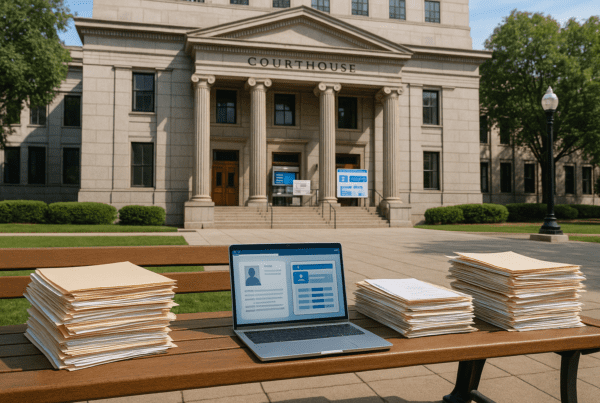

Exploring public records often feels like navigating an uneven terrain, shaped not just by the nature of the records themselves but also by the laws that determine how long data must be kept. At the state level, data retention policies silently govern the availability and depth of public information. These laws influence what remains accessible to the public and researchers over time and which pieces quietly fade beyond reach.
Where Duration and Disclosure Cross Paths
Looking closer, each state sets its own timeline for retaining various categories of public data-from criminal records to business filings, to property deeds. Some states mandate preservation of certain records for decades, while others allow deletion or archiving after a few years. This diversity leads to a patchwork of availability that can bewilder those relying on public data for research, background checks, or journalistic work.
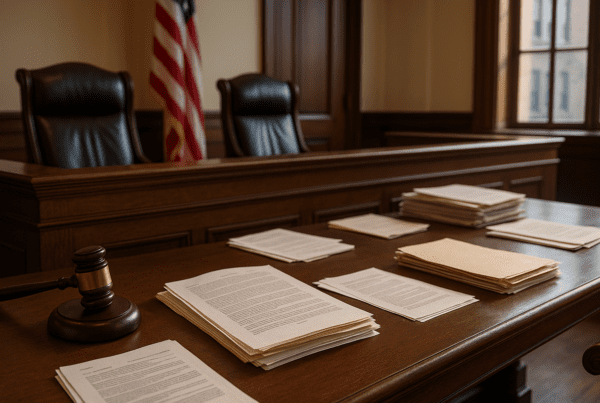
Take, for example, court records. While one state might keep trial documents indefinitely, another may only hold them for a limited period before either expunging or moving them to less accessible storage. These choices have consequences. When courts require swift purging, an entire piece of local history or evidence trail risks disappearing, disrupting continuity in cases or limiting public accountability.
Such retained or discarded data also informs how public transparency operates at the local level. A city with rigorous data retention laws for municipal records inherently fosters a different kind of openness than one where documents vanish after a short span. This can shape public trust and civic engagement indirectly but profoundly.
The Balance Between Privacy and Permanence
Data retention requirements are not designed with public convenience alone in mind. Sensitive considerations about privacy weave through these laws, shaping the limits on how long personal data can persist in public systems. Some states impose strict retention limits on medical records or juvenile court files, prioritizing individuals’ privacy over a fully permanent archive.
Balancing transparency with privacy often involves tricky trade-offs. States that lean toward longer retention may ensure better long-term access for historians or investigators, but also risk prolonged exposure of personal information. Conversely, states with brief retention timelines can reduce privacy risks but create gaps in what public records reveal over time.
This balancing act extends to digital records as well. The switch from paper to electronic storage affects both preservation and security. While digital archives can theoretically last forever, they require active maintenance, legal clarity on retention length, and robust cybersecurity measures to prevent data loss or misuse.
Real-World Effects on Research and Everyday Searches
State differences in data retention often translate into uneven results for people conducting public record searches. Someone tracing a person’s address history or verifying a professional license might find extensive records in certain states but few details in others simply because of underlying retention policies.
For journalists and legal professionals, these discrepancies necessitate an awareness of local retention limits to avoid dead ends or misinterpretation of incomplete records. Public libraries, archives, and government offices often play a crucial role in filling gaps, yet their holdings are also subject to the retention rules in place when records were created or transferred.
Online public record databases have helped smooth some of these inconsistencies by aggregating data across jurisdictions. Still, the fundamental limitation remains: the data available depends heavily on how each state treats retention. Recognizing this reality is key for anyone navigating the often complex terrain of public information.
The Legal Framework That Guides Retention Rules
Many state legislatures explicitly codify retention periods for various records in statutes or administrative codes. These laws often reflect local priorities, historical events, or responses to past legal challenges. For example, states impacted by corruption scandals sometimes tighten retention to ensure records remain available for oversight, while others might ease retention to protect privacy or reduce storage costs.
Administrative agencies typically oversee compliance, issuing guidelines that flesh out how long records must be kept and under what conditions data can be destroyed or archived. Sometimes, these rules intersect with federal mandates or industry-specific regulations, adding layers of complexity.
Interpretation and enforcement vary too, influenced by local records management culture and resource availability. Some public offices invest extensively in digitization and long-term digital preservation, while others continue with manual or minimal retention, impacting how records are accessed and how reliable those archives can be.
An Evolving Landscape With No One-Size-Fits-All
As technology advances and privacy debates gain momentum, state data retention laws face ongoing scrutiny. Emerging priorities like data minimization and rights to erasure challenge traditional concepts of permanent record keeping. Meanwhile, the demand for open government and robust archives presses states to reconsider how retention laws align with public interest.
There is no universal trend or single direction states are moving in. Each jurisdiction balances pressure points differently, resulting in a dynamic patchwork where state lines strongly influence what public records live on, and for how long.
Understanding the contours of this legal and administrative framework proves essential for anyone using public records. It explains why information can feel rich and concrete in one place, yet sparse or inaccessible in another. And it reveals a subtle dance between permanence and discretion shaping the public archives we rely on every day.
Often overlooked outside of legal and archival circles, these laws quietly shape our ability to look back and hold institutions accountable, reconnect with histories, or simply know about people and places. Their impact is as much practical as it is philosophical, affecting how history, privacy, and transparency play out across the United States.
For further reading on public records access and data privacy, groups like the National Association of State Chief Information Officers offer detailed resources examining retention policies across states. Additionally, the Privacy Rights Clearinghouse provides insights into how retention intersects with privacy protections. Government transparency advocates such as the Reporters Committee for Freedom of the Press also track evolving laws and best practices that influence public record availability nationwide.
This layer of regulation is a vital part of the story behind every public record search and reminds us that the records we find today are shaped by laws and choices from years or decades past.
While data retention laws may seem like dry technical policies, their effects weave through everyday experiences of memory, trust, and accountability with lasting consequences.
Exploring public records means looking beyond the documents themselves, also appreciating the legal landscape that shapes their life span and availability.
Understanding this context helps manage expectations and informs more effective approaches to navigating the complex terrain of public information today.
For a closer examination of state-specific data retention rules and their implications, the National Association of State Chief Information Officers offers comprehensive materials. Meanwhile, Privacy Rights Clearinghouse explores privacy and data retention intersections that affect individuals across jurisdictions.
Those researching evolving legal standards and transparency efforts can also look to the Reporters Committee for Freedom of the Press for up-to-date guidance and case studies highlighting retention laws’ real-world effects.
Each resource provides valuable perspective on how retention laws continue to shape public records, layering legal complexity onto data we often take for granted.
Sources and Helpful Links
- National Association of State Chief Information Officers – Resource center with detailed information on state-level IT policies including data retention.
- Privacy Rights Clearinghouse – An organization focused on privacy issues and insights into data retention and protection.
- Reporters Committee for Freedom of the Press – Provides guidance and legal resources on public records, transparency, and retention laws relevant to journalists.