The landscape of online dating is shifting quietly but steadily as technology and user expectations collide in new ways. Relationship verification features are one of the more recent trends in this evolution, representing a response to persistent concerns about authenticity, deception, and safety. More dating platforms are incorporating methods that allow users to not only prove who they are but to affirm their relationship status or intentions with visible cues and structured processes. These changes are not just technical add-ons but reflect broader social currents and digital identity challenges.
A New Layer Beyond Photos and Bios
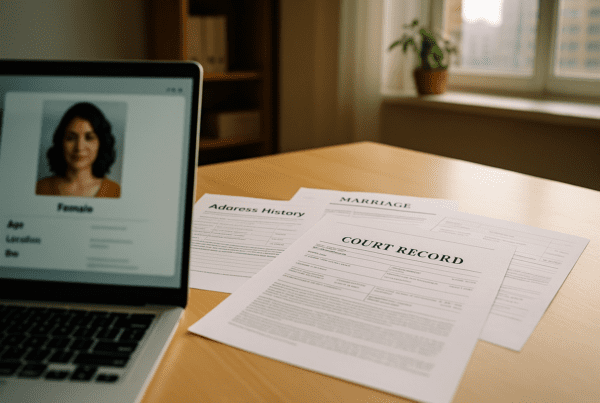
For many years, the cornerstone of digital dating has been a collection of photos, brief descriptions, and a bit of personal flair. Users judged potential matches mostly on impressions formed quickly, often with little beyond mutual interests or witty bios. Relationship verification steps into this space as a way to add credibility and some measure of accountability. It ranges from simple visual badges that indicate a user has confirmed their identity through an official ID, to more complex systems where relationship status or dating intent is verified either through documentation, social proof, or even an interaction like a video call conducted within the app.
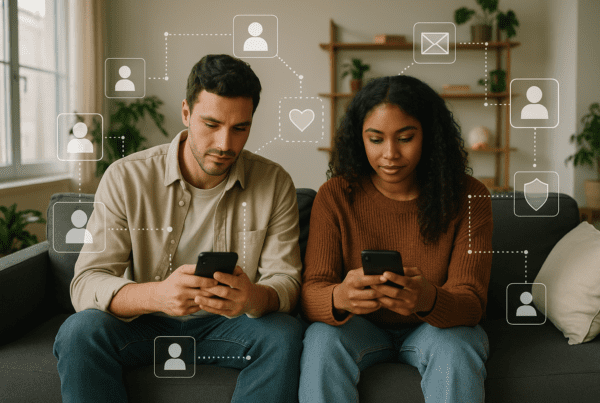
This development speaks to a greater appetite for trust signals that go beyond appearance or word alone. It mirrors a larger movement in online spaces where identity assurance technologies are becoming common, from social media account verification to financial service authentication. In terms of online romance, it adds a layer that aims specifically at healing some of the skepticism that users often bring into dating apps given stories of catfishing or misleading profiles.
The Personal Costs and Benefits of Verification
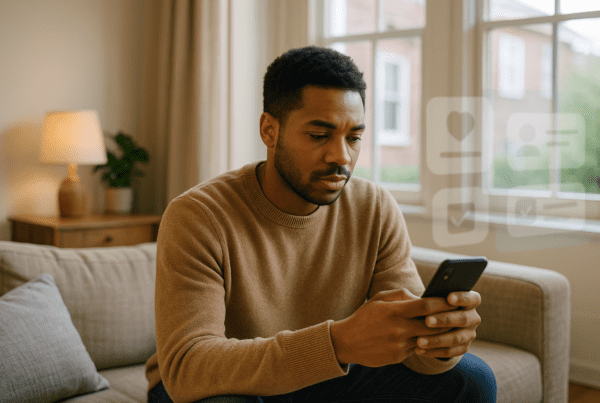
Not everyone greets these verification features with enthusiasm. Some users see them as necessary steps toward safer environments, while others worry about handing over sensitive information or confronting possible judgment based on their relationship status or personal choices. There is a fine line between protecting users and creating new vulnerabilities. The risk of data breaches or unauthorized sharing of verification data looms, especially when apps collect official IDs or require detailed personal disclosures.
Moreover, the social implications are significant. Users with nontraditional relationships might feel excluded or pressured by verification norms that implicitly favor conventional dating or relationship models. Some apps try to mitigate this by making verification optional and providing clear details on how user data is protected and used. Transparency becomes a key component in fostering trust not just between users, but from users to the platforms themselves.
On the upside, many people express relief and increased confidence when they see verification badges on profiles. Knowing that someone has undergone a process that goes beyond photos can reduce fears about scams or misleading intentions and encourage more genuine engagement. This extra comfort can play a critical role in lowering the emotional barriers to taking online interactions into deeper, more personal territory.
Changing Social Norms Around Digital Romance
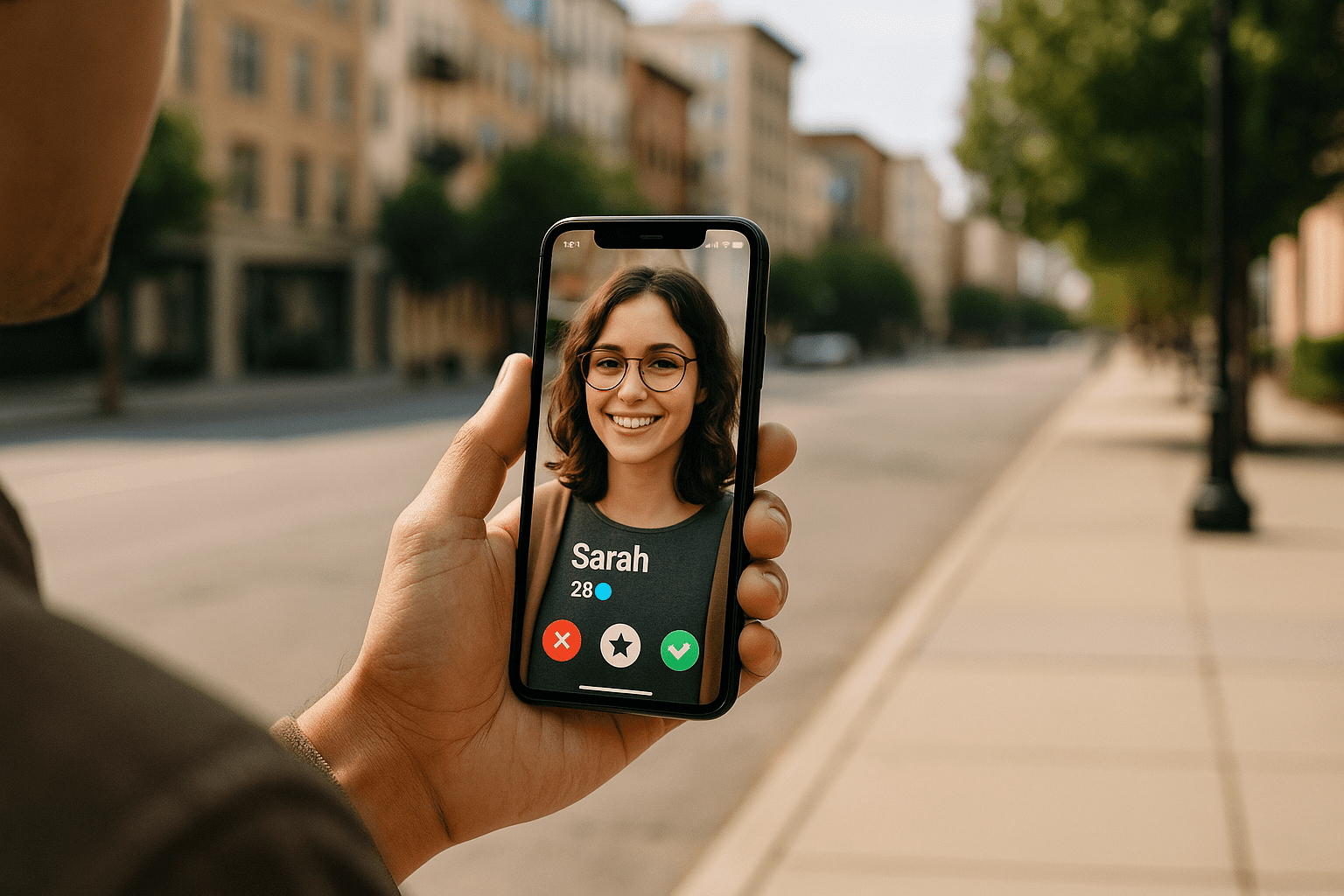
Verification also starts to reshape the social dynamics within dating apps. Profiles bearing verification marks often draw more attention, which turns these features into a kind of currency or social signal. While this can foster healthier trust dynamics, it may also pressure users into verifying even if they prefer privacy, just to stay visible and competitive. This dynamic can subtly influence how people curate their presented identities, sometimes encouraging honesty but in other cases leading to a form of performative transparency.
The conversation around what it means to be trustworthy in an online dating environment is evolving, and verification tools are central to this shift. We might see less superficial deception but at the same time face new challenges as users and platforms navigate a culture where signals of honesty are more formalized. This creates a complex social fabric where authenticity must be continuously negotiated.
Future Horizons: Technology and Ethics Intersect
Looking ahead, there is potential for verification to become more sophisticated and nuanced. Some developers are exploring biometric methods such as facial recognition to confirm identity, or using blockchain technology to provide decentralized, tamper-proof verification records. These approaches promise greater security and control but also spark debates about privacy, data handling, and ethical use, necessitating cautious development and wide transparency.
Beyond purely technical efforts, apps are experimenting with behavioral analytics that analyze consistency in communication or build authenticity scores based on interaction patterns over time. These subtle indicators may complement direct verification badges to provide a more holistic view of trustworthiness without requiring intrusive personal disclosures.
Ultimately, evolving relationship verification features illustrate a broader tug-of-war in digital dating: how to encourage openness and security without sacrificing privacy or alienating diverse users. They underscore that digital romance is not merely coded by software but shaped by human desires, fears, and social conventions.
Those interested in navigating this complex arena can benefit from resources that offer guidance on identifying misleading behavior in online dating, such as the Federal Trade Commission’s advice on dating scams. Research and analysis from groups like the Pew Research Center help contextualize how dating apps are evolving in society. Finally, privacy advocacy and security organizations such as StaySafeOnline provide essential best practices for managing personal information in the constantly changing digital dating landscape.
Watching the rise of relationship verification in dating apps reveals not only a technical innovation but a cultural adjustment as users and platforms recalibrate the complex dance of trust, truth, and vulnerability online. This ongoing evolution reflects how technology and human connection intertwine in unexpected new ways.
Sources and Helpful Links
- Federal Trade Commission advice on avoiding common dating scams and protecting yourself online
- Pew Research Center exploration of dating app usage and trends in online behavior
- StaySafeOnline tips for digital privacy and security in personal interactions