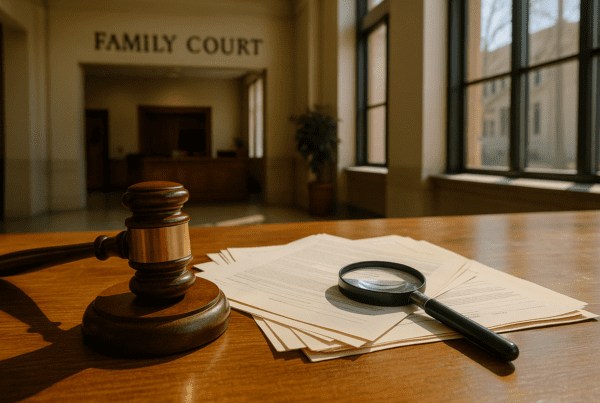

Turning to public records for insights into custody and guardianship often reveals more than just names and dates. These documents record stories of changing family dynamics, evolving societal norms, and the laws shaping decisions about who cares for children and dependents.
Reflections on custody changes through public records
Custody arrangements rarely stay static. What public records quietly show is how court decisions and family agreements have shifted over years, often in response to broader social currents. For example, records indicate a gradual departure from automatically favoring one parent-typically the mother-towards more varied arrangements considering the best interests of the child from multiple angles. Observing a range of court filings highlights how judges now weigh factors like parental involvement, financial stability, and even the child’s preferences in some jurisdictions.
These changes are not uniform everywhere but draw a picture of evolving norms. Some counties and states make their custody filings accessible, where patterns emerge correlating with laws that better recognize joint custody or alternative guardianship solutions. Access to such data also exposes how family transitions reflect economic pressures, demographic shifts, and legal reforms.
The nuances of guardianship as seen in public data
Guardianship, while related, often occupies a different legal pathway. Unlike custody, which generally involves parents, guardianship can extend to relatives or other responsible adults when parents are unable or unavailable. Public records reveal an interesting texture here, especially involving aging populations and instances where grandparents or other extended family members step in. It’s a reminder that family support roles vary and sometimes extend beyond nuclear family lines.
Exploring guardianship filings shows a notable rise in some areas, possibly linked to increased awareness about protecting vulnerable adults or minors in complex family situations. It also sheds light on disparities, for example, who is more likely to be appointed guardian and under what circumstances. Public records may not capture every detail but can point to changes in how communities and courts manage caregiving roles.
What patterns hint at about family law and society
Looking across custody and guardianship records together, one gets a sense that family law is more responsive than it once was, but also more complex. Changing economic factors, heightened attention to children’s well-being, and expanded definitions of family contribute to the richness and challenges in these patterns.
Public data also expose gaps, such as underreporting in marginalized communities or varying standards by jurisdiction. Not all families have equal access to legal resources or representation, which can influence outcomes reflected in these records. Furthermore, custody or guardianship may be informal in many instances, making public data only a partial view of real-world caregiving arrangements.
The evolving role of technology and accessibility
Technology has broadened access to public records, making it easier to track custody and guardianship trends over time and geography. This can be invaluable for researchers, professionals, and families trying to understand precedents or find relevant information. Still, it comes with privacy concerns and the need for careful interpretation, as records may not tell full stories or include context like emotional or relational dynamics.
Data aggregation sites and government portals provide searchable databases but also highlight disparities in digital access and the quality of record updates. When piecing together someone’s custody or guardianship history, it requires both patience and a cautious approach, bearing in mind that public documentation is just one slice of a much larger picture.
What to watch for in custody and guardianship records
Those looking through public records should note recurring terms and filings related to modification requests, temporary orders, or guardianship establishment and termination. These clues signal ongoing family changes or legal challenges. Temporal trends in filings may align with societal events, such as economic downturns or shifts in social services policies.
Attention to the language used-whether disputes are described as contested or amicable, for example-can offer subtle context. While such observations are not definitive, they enrich the understanding of the human realities behind the legal frameworks. Public records serve as windows into these evolving stories, underscoring the fluidity of custody and guardianship in the real world.
Exploring these patterns contributes to a broader comprehension of how families navigate challenges and supports that change over time and across jurisdictions. It illustrates how public records, while often overlooked, can be a powerful tool for observing the quiet shifts shaping caregiving and protection in society.
For those interested in exploring further, government court record portals and reputable legal information sites often offer insights and data breakdowns. Some organizations also analyze custody and guardianship trends to inform policy or support services. Combining these resources helps frame the ongoing evolution of family law as reflected through public documentation.
In observing custody and guardianship through the lens of public records, what stands out is the layered complexity of family relationships and the legal systems meant to support them. These documents are more than filings; they are snapshots of lives, obligations, and societal values shifting with time.
To understand custody and guardianship in any meaningful way, it helps to approach public records with both curiosity and care, recognizing their limitations alongside the valuable perspectives they offer.
Exploring these themes can deepen appreciation for the intersection of law, family, and community within the framework of public records.
Sources and Helpful Links
- United States Courts Family Court Services offering general information about custody and guardianship in federal courts.
- Child Welfare Information Gateway providing resources on custody and guardianship laws and policies across states.
- County Office Public Records Portal as an example of access to county-level custody and guardianship filings.
- Nolo offering a clear overview of guardianship rights and processes as gathered from legal perspectives.