
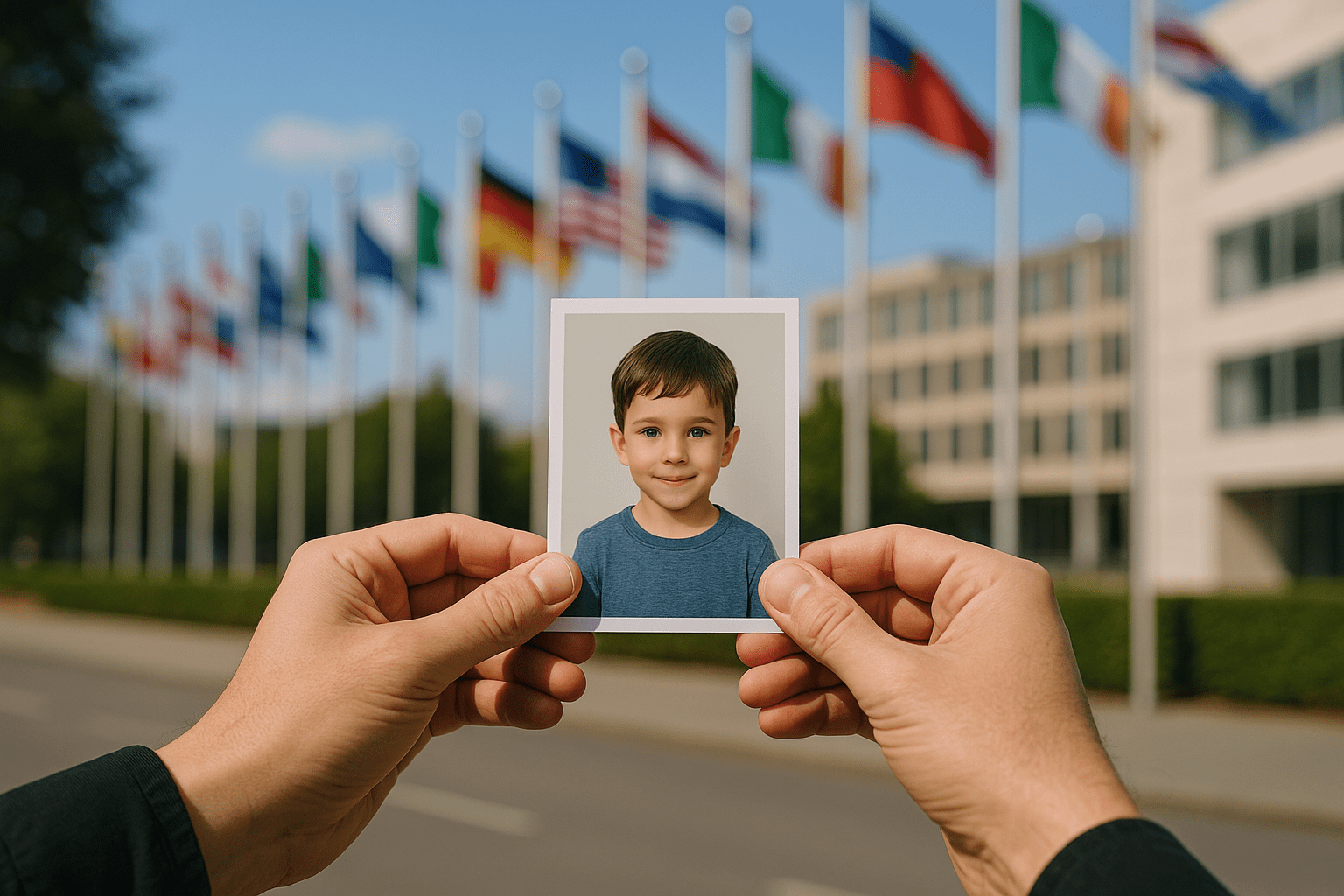
When family ties stretch across countries, the question of guardianship can become complicated quickly. Determining who holds legal responsibility for a child or dependent adult often means looking beyond local documents to an array of public records that exist in multiple jurisdictions.
Guardianship and the Patchwork of Legal Systems
Guardianship is a legal relationship, typically established by courts, that assigns decision-making authority over someone who cannot manage their own affairs. In purely domestic situations, this can seem straightforward: courts issue orders or letters of guardianship, and those documents provide clear proof.
But add the element of crossing borders, and everything becomes less clear. Each country maintains its own public record systems. Forms, language, legal standards, and how guardianship is documented vary widely. What counts as adequate proof in one place might require additional verification elsewhere.
Understanding what records exist and how to read them can mean the difference between maintaining legal protections for a vulnerable person and facing uncertainty or even exploitation. For example, a guardianship order issued by a court in one country may not automatically carry any weight in another without formal recognition or validation.
Tracing Guardianship Through Public Records
Public records can include court orders, birth certificates, custody arrangements, adoption papers, and government agency filings. Together, these documents weave a story about an individual’s legal relationship to a guardian.
In cross-border contexts, it often takes gathering records from several sources just to establish a baseline understanding. Suppose a child lives with a relative abroad because the biological parents cannot care for them temporarily. The guardian’s authority might be documented by a family court in the child’s home country, but the hosting country might require notarized, translated paperwork that confirms the arrangements.
Online databases and government portals have grown in recent years, making it easier to access some public records remotely. Still, some countries’ systems remain siloed or require in-person requests. The effort needed to collect and authenticate documents can be substantial, especially when privacy laws limit data sharing.
Legal and Practical Challenges in Cross-Border Cases
Even when you can obtain records, interpreting them is rarely simple. Each jurisdiction’s terminology and legal implications differ, and mistranslations of key terms can cause confusion. For instance, guardianship might be called custody, care, custody with rights, or something else entirely.
The variances extend to how guardianship is granted and revoked. Some systems emphasize formal court involvement, while others allow less formal family arrangements to hold weight. Recognizing which kind of guardianship applies to the situation can shape who is seen as a legal guardian under different countries’ laws.
There’s also the risk of outdated information, as public records may not always be current or synchronized across borders. Guardianship status can change over time, and if updates are not recorded properly, the data trail can mislead those relying on it.
The Importance of Verification and Expert Assistance
Because the stakes are so high, relying purely on a single document or source can be dangerous. Verification through multiple public records and official channels helps build confidence in the validity of a guardian’s claim.
Experts such as family law attorneys or specialized search professionals who understand the nuances of an international context often become crucial. They can navigate complex public records, interpret legal differences, request certified translations, and ensure proper authentication of documents.
In some cases, international agreements and treaties may facilitate cooperation between countries on guardianship matters. Organizations like The Hague Conference on Private International Law provide frameworks aimed at standardizing recognition processes, although implementation varies.
Patterns in Real World Data and Public Record Use
Observing how public records function in this arena reveals patterns in recordkeeping and data sharing. Countries with centralized, digitized systems tend to streamline verification, allowing faster and more reliable cross-border guardianship confirmation.
Conversely, jurisdictions with fragmented or manual records often slow the process and introduce uncertainty. This can leave families and guardians navigating bureaucratic hurdles while vulnerable individuals wait for resolutions.
The intersection of technology, law, and public records is evolving. Emerging digital identity tools and international data standards show promise for improving guardianship verifications, reducing paperwork, and enhancing trust across borders.
Still, whichever systems grow, the human element remains. The careful interpretation of records, respect for cultural differences, and awareness of privacy concerns continue to shape how guardianship is verified.
Understanding these dynamics offers clarity beyond legalese, helping families and professionals see the bigger picture when public records cross borders to protect those who need guardianship.
In cross-border family situations, public records act as both maps and guides, offering pathways that reveal who holds care and legal responsibility. But those pathways often wind through varied landscapes of law, language, and data systems, requiring patience and expertise to traverse successfully.
By treating public records as living, interconnected evidence rather than static papers, the verification process grows more reliable over time. This observation underscores the continuing importance of transparency, cooperation, and thoughtful recordkeeping for the well-being of families and their guardians.
Accessing a selection of authoritative sources on guardianship and international data exchange helps maintain a grounded view. For practical insights and evolving frameworks, entities such as the Hague Conference on Private International Law provide important resources. For understanding public records themselves, the USA.gov public records overview offers a broad introduction. Meanwhile, the Child Welfare Information Gateway covers guardianship topics from a U.S. perspective that often intersects with cross-border considerations.
These reference points illustrate how intricate yet essential the role of public records is in verifying guardianship when family ties cross international lines.
Sources and Helpful Links
- Hague Conference on Private International Law, international treaty and cooperation frameworks for guardianship
- USA.gov public records overview, a guide to accessing and understanding public records in the United States
- Child Welfare Information Gateway, comprehensive information on guardianship and child welfare law