
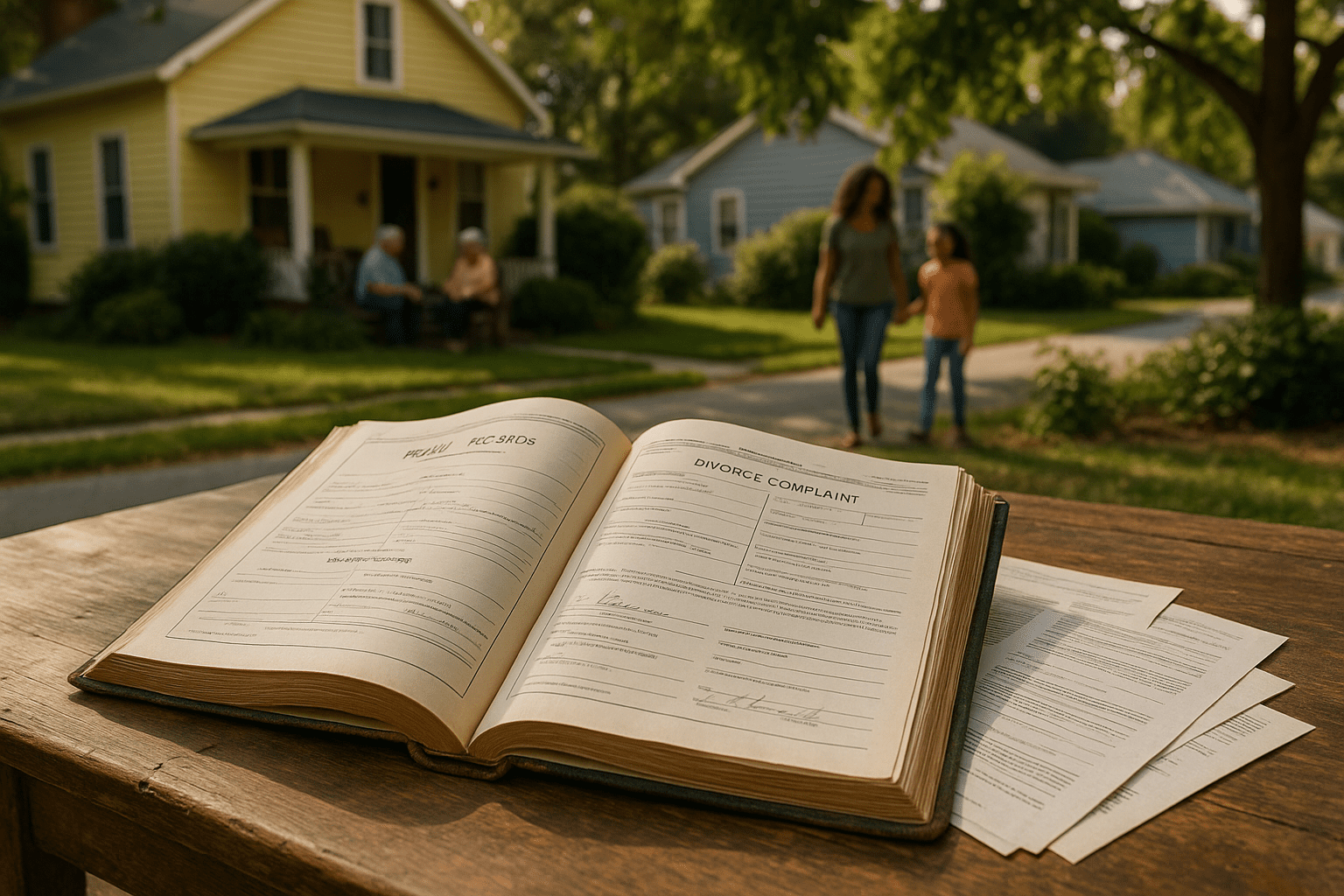
Public records often serve as a mirror reflecting the changes in how families evolve, especially when it comes to divorce timing and family restructuring. Beyond the bare facts encoded in legal documents, these records reveal gradual shifts in social behaviors and expectations around marriage and family life. They show how the story of family dynamics unfolds quietly over time through legal filings, address updates, and custody arrangements.
Shifting patterns in divorce timing understood through public filings
Divorce is rarely a simple or uniform event, and its timing has shifted notably over past generations. Historically, divorces tended to cluster within the first few years of marriage, sometimes colloquially described as the “seven-year itch.” The public data collected from family court systems suggest that divorce now occurs over a more extended timeframe. Instead of an early peak, divorces are more evenly spread throughout a marriage’s duration. This pattern partially reflects evolving social norms where the decision to end a marriage doesn’t necessarily come early but can emerge after longer periods of coexistence and changing personal circumstances.
Statistics from sources like the National Center for Health Statistics show that the average age at first divorce has increased in recent decades. People marrying later in life contribute to this trend, often bringing different expectations and life experiences to relationships. Consequently, the timing of divorce stretches across a wider age range compared with previous generations. In some communities, remarriage after divorce likewise affects the patterns visible in records, as blended families become more common and marriages enter successive phases.
The subtle clues of family reshaping found in address and custody data
Divorce is only one part of the family restructuring puzzle seen in public records. Address history data often provide glimpses into how families change after a separation. People moving from shared residences to single-parent homes or alternating between multiple households demonstrate shifts in living arrangements that public records can track. For genealogy researchers or those trying to understand family histories, these address transitions paint a fuller picture beyond the divorce decree itself.
Additionally, custody arrangements documented in court filings highlight how care responsibilities are negotiated and divided. These public records often show a trend toward joint custody or shared parenting plans, moving away from models that placed custody predominantly with one parent. Changes in family law and societal attitudes toward parenting roles influence these developments, creating a more flexible family structure in many cases. These nuances in custody orders surface gradually in court data, reflecting a more collaborative approach to parenting post-divorce.
Wider cultural shifts glimpse through legal records and family data
The slow evolution of divorce timing and family shaping, as recorded in public documents, is deeply tied to wider cultural currents. Shifts in gender roles, economic pressures, and attitudes toward marriage influence how families form, separate, and merge again. The evolution toward more complex family networks can be seen in how public data track multiple marriages, stepfamilies, and co-parenting scenarios. This complexity challenges the traditional nuclear family model often assumed in earlier decades.
Public record analysis combined with social research points to a growing acceptance of diverse family forms and a recognition that relationship timelines can now vary widely. Data from family court systems coupled with sociological studies, like those performed by institutions such as the Pew Research Center on family life, further highlight these shifting patterns and their implications for how family life is documented and understood.
In particular, the fragmentation of the family unit into multiple smaller, interconnected units is made visible through the longitudinal tracking of addresses and relational changes in public records. Moving beyond simple models of marriage and divorce, these records reveal nested complexities of modern family life, including multi-generational caregiving, shared custody across different households, and the ongoing blending of families through remarriage.
The quiet narrative of family history embedded in public data
Looking through public records with attention reveals not just legal outcomes but the lived experience of family transformations. Each document and address update carries context beyond the obvious, marking transitions in lives of individuals and the communities around them. The layering of these details across time allows for a narrative about how family resilience, adaptation, and new definitions of connection emerge.
For those researching genealogy or trying to piece together family puzzles, these public records offer a dynamic and evolving view of family history. The records become more than mere legal files; they serve as chapters documenting personal journeys framed by broader social change. While the data do not capture emotions or private reasons behind changes, they nevertheless chart the contours of real-life family restructuring.
Overall, the shifts visible in divorce timing and family restructuring as recorded in public sources underscore how family life is continually reshaped by social, legal, and economic factors. Public records, when carefully interpreted, offer a compelling window into the evolving experience of modern families, revealing patterns and stories that often go unnoticed in everyday conversation.
Exploring various public databases and court record portals can help uncover these subtle clues and provide a deeper understanding of how families move through change over time. Websites that aggregate and interpret such data add layers of clarity, combining raw records with contextual explanations so users can better grasp the real-world dynamics reflected in public data.
As family structures continue to diversify and societal attitudes evolve, public records remain an indispensable resource for observing the quiet but persistent transformations shaping the fabric of family life today.
Many find this perspective helps to frame personal family histories within a larger social context, offering understanding not only about the past but also about how current trends might mirror broader cultural shifts visible in public documents.
Ultimately, public records do not just record facts, they document the living story of how family bonds change, adapt, and sometimes unravel across generations.
More detailed information and official statistics about marriage and divorce trends can be found at the National Center for Health Statistics. Further sociological analysis on family patterns is available through the Pew Research Center on family life. Those interested in legal records and custody data might consult local court portals such as the United States Courts system overview for regional access.
Observing these multiple sources together provides a textured, nuanced picture that helps explain how the patterns recorded in public data connect to lived experience and broader social dynamics.
Sources and Helpful Links
- National Center for Health Statistics A government resource providing official marriage and divorce statistics in the United States
- Pew Research Center on family life Sociological studies and data analysis related to family structures and trends
- United States Courts system overview Information on federal court roles, structure, and access to legal records relevant to family law