
In a world where our lives extend constantly into the online environment, our digital footprints amount to more than just traces of where we’ve been. They form a growing part of how identity verification is evolving, slowly adding layers of context and connection beyond traditional documents and databases.
Every Click and Connection
People leave digital traces through everyday actions – posting on social media platforms, engaging in e-commerce, using apps, logging in to accounts, or even searching for information. While often thought of simply as privacy concerns, these footprints also hold clues that identity systems can use to piece together the puzzle of who someone really is. This goes beyond matching a name and a date of birth. It means looking at patterns of behavior and linking them with confirmed data such as public records or verified contact details.
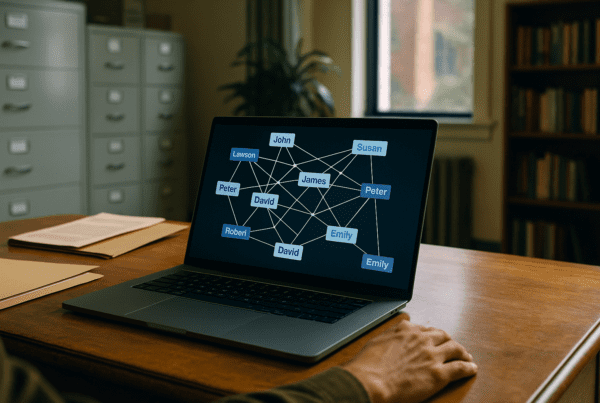
The integration of such footprints does not happen all at once but rather grows incrementally. Systems behind identity verification take what might seem like disconnected points – a phone number recently used in multiple logins, a change of location on an IP address, or a new social media profile tied to an email address – and assess whether they fit within an expected pattern. When combined with more established sources like government-issued ID databases or utility records, these digital signals provide a richer, more dynamic portrait.
Reliability and Real-World Data
One challenge in incorporating digital footprints into identity verification is that online data can be fragmented or unreliable by itself. Social media information may be incomplete or intentionally misleading. Contact numbers can be recycled or spoofed, and IP addresses don’t always reveal accurate geolocations. This is where cross-referencing with public records becomes crucial.
Public records offer fixed points of reference that anchor the mutable digital world. Property records, court documents, and other government filings carry a weight of authority and tend to be updated regularly, reflecting changes in marital status, addresses, or legal names. When digital footprints align well with these official traces, the confidence in identifying an individual increases significantly.
This blended approach, sometimes termed layered verification, can dramatically reduce cases of fraud or mistaken identity. It allows verification tools to flag anomalies quickly – like a login attempt from a location inconsistent with the known address history – while still acknowledging that people move and change over time.
The Privacy Puzzle
Of course, using digital footprints to verify identities raises questions about privacy and user consent. Many may not be fully aware how their online behavior feeds into verification processes or what is deemed acceptable to collect and examine. Regulations such as the General Data Protection Regulation (GDPR) in Europe and the California Consumer Privacy Act (CCPA) in the US add layers of control and transparency, requiring organizations to explain their data use and offer opt-out options in some cases.
Beyond regulation, there is ongoing debate about how to balance security with respect for individual autonomy. Experts in digital identity have been advocating for clearer standards on which data elements are relevant and permissible. Responsible implementations prioritize limiting access, anonymizing data when feasible, and ensuring that verification outputs serve only their intended purpose.
Transparency with users and giving them control over their digital identities not only builds trust but also reduces errors caused by outdated or incorrectly linked information. A verification process that accounts for this can avoid unintended biases and mistakes while still making use of the affordances digital footprints provide.
A Gradual Shift in Verification Culture
Traditional identity verification focused heavily on physical documents or single-factor authentication methods. Digital footprints require a shift in mindset towards continual, adaptive verification that reflects the fluidity of individual lives online. This might look like ongoing updates about changes in contact information or device usage patterns instead of one-time checks during onboarding.
Financial institutions, government agencies, and online services are increasingly moving in this direction. They recognize that robust identity verification is less about static snapshots and more about context and relationships between data points that evolve. Companies specializing in identity verification now often integrate multiple data sources – public records, device intelligence, digital behaviors – creating a synthesis that can respond to emerging fraud schemes or identity theft tactics faster.
For users, this evolution means that identity confirmation can become both more secure and more seamless. When done well, the process may feel less intrusive and reduce the need for repeated document uploads or manual checks, since the system already builds confidence through consistent behavioral signals and verified history.
What Lies Ahead
Looking forward, technologies like artificial intelligence and machine learning will likely deepen the ability to interpret digital footprints, spotting subtle anomalies or predicting risk with more precision. The confluence of biometrics, blockchain, and decentralized identity models also promise greater user control while enhancing verification reliability.
However, technological advances must remain coupled with ethical stewardship. As digital footprints become part of identity verification, maintaining accuracy, fairness, and respect for privacy will determine whether these new methods truly serve individuals and society at large.
One thing is clear, identity verification today is no longer confined to offline documents or a single database. The traces we leave online increasingly matter, revealing patterns and connections that reflect our real-world identities in a digital age.
For those navigating people search, gains in digital footprint integration offer new ways to confirm identities more confidently. The approach remains one of balance and care, respecting the complexity of identity itself.
More information on the evolving landscape of digital identity verification can be found on Identity Week, while detailed privacy requirements are outlined by the GDPR information portal. For an overview of public records and their role in identity verification, The National Archives provide helpful insights. Those interested in device intelligence as part of digital footprints can explore resources from The Federal Trade Commission.
Sources and Helpful Links
- Identity Week – Industry insights on digital identity and verification technologies
- GDPR information portal – Comprehensive guide to European data protection rules
- The National Archives – Explanation of public records and their uses
- The Federal Trade Commission – Overview of device fingerprinting and online tracking in identity verification