
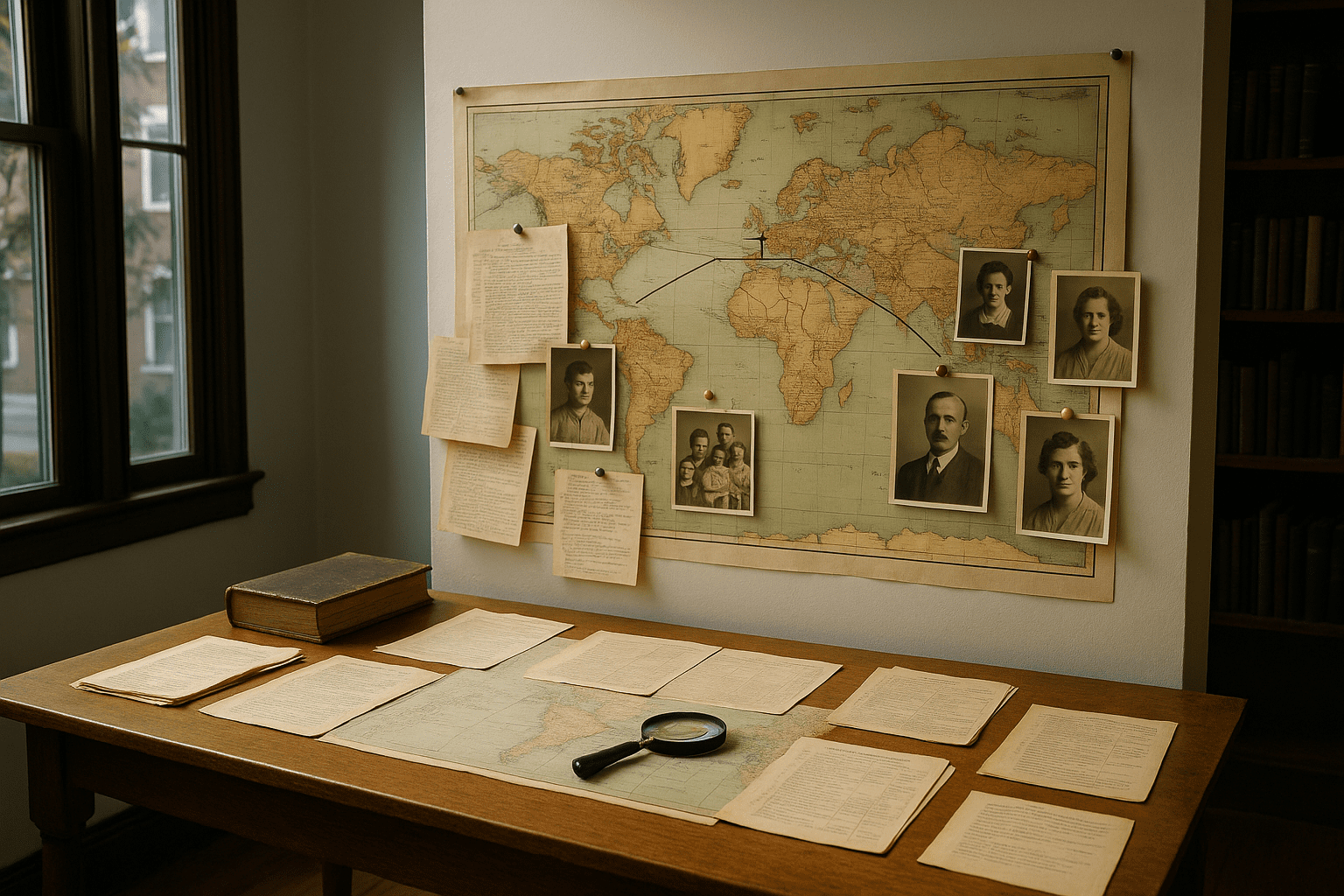
Tracing the movements of families over multiple generations often feels like piecing together a grand puzzle, one where each fragment holds clues not just about who people were, but where and why they moved. Public records have long stood as vital pieces in this puzzle. Their influence on genealogical research provides windows into family history far beyond oral traditions or fragmented personal accounts.
Peeling Back Layers Through Public Records
What strikes anyone who delves into multigenerational family research is how public records act like time capsules. Census data, for instance, often surfaces as the earliest extensive source for family locations and compositions. Starting with federal census records, which date back to the late 18th century in the United States, researchers can witness shifts in family residences every decade. These records provide more than just addresses and headcounts; they include occupations, property values, and even immigration details across time, all critical for interpreting movement patterns.
Beyond census reports, other public documents such as land deeds and tax records serve as tangible markers of where families laid down roots. Deeds record land purchases and sales, often revealing migrations from rural to urban areas or from one state to another. Tax records can corroborate these changes, showing when families became property owners or when their financial circumstances shifted. These documents tend to function as anchors, pinpointing exact locations and dates that thread a family’s journey.
The Subtle Dynamics Hidden in Address Histories
One of the more fascinating revelations unearthed through public records is how address histories overlap with economic or social shifts affecting families. For example, the migration from farming communities to industrial cities during the 19th and early 20th centuries is well captured through a series of city directories, voter registrations, and employment records. These listings tease out the often gradual nature of migration-sometimes moving from town to town within a region before settling elsewhere.
Notably, these documents can reveal patterns of movement tied to particular events or trends. A surge in applications for work in textile factories might show a family transitioning away from agriculture. Neighborhood changes recorded in city directories may reflect a family’s social mobility or responses to economic pressures. Thus, public records paint a picture of family life that merges location with broader societal developments, offering a lens into why families moved as much as where they went.
Connections and Challenges in Linking Generations
Connecting family members across time through public records is rarely straightforward. Changes in surnames, misspellings, or inconsistent record-keeping challenge researchers attempting to link one generation’s record with another’s. Marriage certificates and birth records often help bridge these gaps by confirming relationships, but the scarcity or absence of such documents for certain periods or populations complicates the search.
Adoption and informal guardianship arrangements, often unrecorded or recorded under different names, further obscure lineage paths. Public records, while broad and varied, sometimes fall short of capturing these nuances. Yet, researchers have become adept at correlating multiple record types-from military enrollment lists to immigration papers-to stitch together fragmented family histories. This process shows how public records not only document families in static snapshots but also capture evolving narratives stretched across decades and continents.
Exploring Identity Through the Shifting Geography of Family History
What resonates with many genealogists is how tracking multigenerational family movements through public records enhances understanding of identity itself. The places ancestors lived reflect the cultural, economic, and political environments that shaped their decisions and experiences. For example, land ownership in a particular region may suggest agricultural traditions, while frequent moves between states could hint at responses to wars, industrial booms, or social upheavals.
This geography of movement often intersects with immigration and refugee stories, helping explain how families integrated into new surroundings or maintained cultural roots amid change. Tracing such histories can reveal surprising connections within and between families, even uncovering overlooked migration routes or periods of settlement. Every record becoming a thread in the rich tapestry of family stories.
Understanding these layered histories relies heavily on public record access. Projects digitizing these records have revolutionized how easily researchers can explore these movements. From the freely accessible databases available through the National Archives and Records Administration to more specialized genealogy platforms, these sources open doors into years of family travel and transformation that might otherwise remain veiled.
Yet, it is worth acknowledging that public records are products of their times, reflecting social biases and administrative priorities. Some populations and movements may be underrepresented or misrecorded, requiring researchers to supplement their work with oral histories, photographs, or community archives. Awareness of these gaps encourages a balanced approach that appreciates public records as essential but not exclusive lenses into family migration histories.
In sum, public records offer a profound influence on revealing how families have moved and evolved across generations. They provide more than addresses or names, holding stories of adaptation, hardship, opportunity, and identity that persist through time and place. Through careful collection and interpretation of these documents, the intricate journeys of ancestors come into clearer focus, bridging past and present for those willing to follow the traces left behind.
Whether sorting through census schedules, unfolding land deeds, or piecing together city directories, the record trail maps the often tangled routes families traveled, illuminating not just where they were, but who they became. That is the enduring value of public records in tracing multigenerational family movements.
Sources and Helpful Links
- National Archives and Records Administration – Extensive federal public records useful for genealogical research.
- FamilySearch – A free genealogy resource with vast collections of census, land, and vital records.
- Library of Congress Collections – Historical maps and documents illuminating migration and settlement patterns.
- Cyndi’s List – A categorized index of genealogy sites offering links to public record databases and guides.
- New England Historic Genealogical Society – Provides access to regional vital records and contextual genealogy resources.