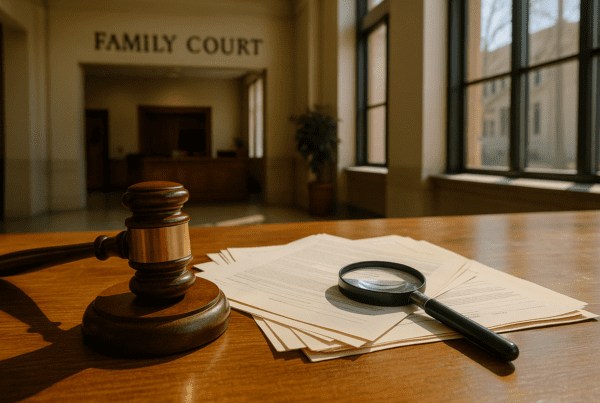

Family custody histories can be tangled, sometimes extending beyond an immediate memory or a simple story told at the dinner table. The threads behind who has legal rights, when arrangements shifted, and how family connections evolved are often buried in official records that exist purely to document legal realities. When faced with such complexity, many turn to public records to illuminate the pathways family lives have followed.
Not Just Dates and Names, But Stories in the Margins
On the surface, custody records might appear like straightforward legal paperwork filled with dates, names, and orders. Delving deeper, they reveal real-world shifts – a parent gaining or losing custody, changes in visitation rights, or surprising connections like guardianship arrangements or foster placements. These records outline timelines not just of legal decisions but of personal histories, often reflecting struggles and adaptations families face.
For instance, court records can show when a custody transfer was contested or whether mediation shaped the outcome. This kind of detail helps piece together the landscape beyond a headline custody judgment. Sometimes, understanding the nuances requires examining multiple vantage points – county court filings, related child support enforcement documents, or family law notices that turn up in public databases.
The Puzzle of Multiple Jurisdictions and Changing Laws
Family custody stories rarely fit neatly within one jurisdiction. Custody matters may cross county or state lines, especially in families where moves are frequent or contested. Public records accumulate in different places, each potentially holding fragments of the overall picture. This layering can reveal how custody evolved as circumstances changed – such as relocations, remarriages, or new legal representatives entering the picture.
Additionally, custody laws have shifted over decades, influencing how cases were decided. Older records might reflect preferences for sole custody, while newer documents could show the rise of joint custody as a favored arrangement. Awareness of these legal shifts can make public records seem less opaque, placing decisions into a wider frame of family law trends. Understanding this context enables a clearer interpretation of what the records actually mean for the people involved.
Address History and Contact Data: Supporting the Custody Narrative
Another layer that public records bring to family custody histories involves address and contact data. Where a child and their parents or guardians have lived can offer clues about custody and visitation patterns that court files alone may not reveal. A parent’s address history could reflect moves closer to schools or relatives, aligning with custody arrangements or court orders requiring stable environments for the child.
Similarly, contact information can hint at ongoing relationships or disputes. For example, changes in a parent’s phone number or email address might correspond with attempts to establish or restrict communication. Together, these pieces help build a fuller picture of daily realities behind legal rulings – how family members stay connected or drift apart over time.
Navigating the Sensitive Terrain of Privacy and Accuracy
While public records can provide meaningful insights, they also sit at an intersection of privacy and transparency. Access to custody records varies widely by state, some limiting details to protect minors or parties involved. This variation requires those researching to be mindful of legal boundaries and respect confidentiality where appropriate. In some cases, records may be sealed or redacted, offering only partial glimpses rather than full disclosure.
Accuracy in these records matters profoundly. Mistakes in dates, spellings of names, or court outcomes can lead to misunderstandings about custody histories. Public records databases sometimes carry duplicates or outdated entries that need careful cross-checking against official sources. A cautious approach backed by verification helps ensure the interpretations made from these documents hold firm and do not mislead.
The Real World Effects of Understanding Family Custody Through Records
Access to public records connected to family custody is often more than a simple research task. For individuals trying to reconnect with family members, clarify guardianship status, or prepare for legal proceedings, these documents can be pivotal. They can provide a foundation for dialogue or resolution where memory and hearsay fall short.
Professionals such as social workers, genealogists, or legal advocates also use these records to contextualize family situations, helping paint a nuanced picture necessary for informed decisions. Recognizing family dynamics that unfold in custody histories lends empathy and precision to these roles, preventing oversimplification of complex lives.
In the end, public records offer a kind of map. Not just showing where custody shifted, but signaling the human stories behind those shifts – the challenges, compromises, and new beginnings that shape family life over time.
When searching through custody histories, allowing space for patience and verification aligns with the care families have for their past, present, and future. That approach respects the lived complexity each record represents.
For those interested in exploring custody related public records, resources like state court record portals, federal court public records, and local family law court websites often provide official access points. Privacy and procedural notes accompany these sources to ensure respectful and lawful use.
Further insight about the layers of family law and custody can be learned through sites such as American Bar Association family law resources. These help to frame public records findings within the broader legal landscape.
For understanding address history and contact data in relation to custody, data aggregators like PersonZoom offer tools that compile public details into connected, interpretable profiles. These can be particularly handy when juggling complexity across multiple records or jurisdictions.
Ultimately, uncovering family custody histories is an exercise in connecting dots delicately and thoughtfully. Public records supply the essential pieces but appreciating their human context is equally important.
Sources and Helpful Links
- US Courts Court Records – Official federal court public records access portal.
- American Bar Association Family Law – Resources explaining family law issues including custody.
- PersonZoom – Public records and data aggregation service for connecting identity information.