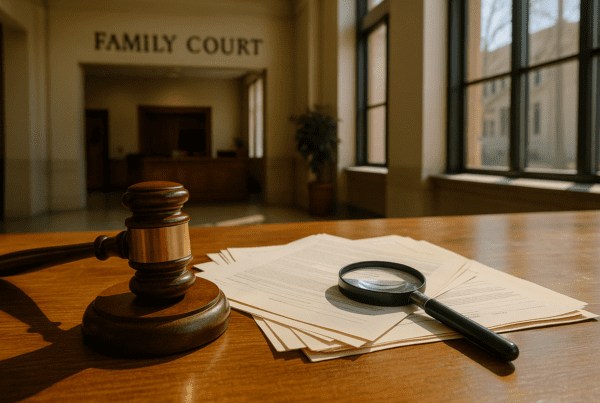
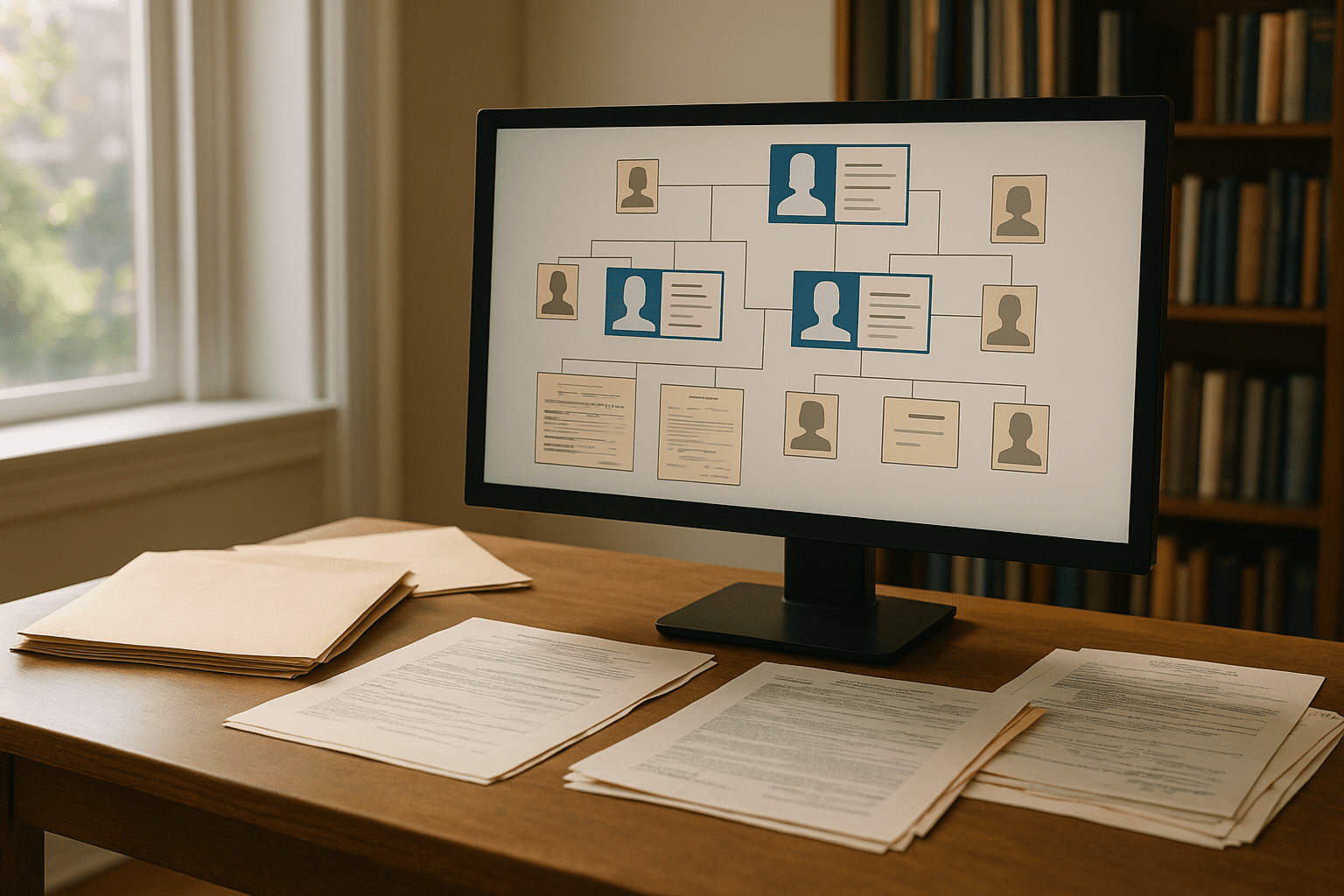
When people set out to confirm family relationships online, public records quietly serve as a backbone to much of the information they find. There is something almost tangible about seeing a birth certificate, marriage license, or census entry that grounds a lineage in reality rather than rumor or guesswork. Unlike the threads of family stories, which can sometimes slip and fray, public records offer durable markers that help make genealogical research feel less like speculation and more like following footprints across time.
Patterns Emerging from Historical Documents
One of the remarkable things about public records is how they reveal patterns amidst the vast complexity of family histories. Take census data, for example, which has long been a staple for anyone trying to chart relationships over time. These snapshots, taken within defined periods, capture entire households-names, ages, occupations, and occasionally even origins. By comparing this data through different decades, it is possible to trace children growing into adults, new marriages appearing, and older generations passing away. These arcs become part of a larger narrative that may otherwise remain fragmented or confusing.
Marriage and divorce records offer another dimension of insight. They are often more formal and legal in nature than the softer versions found in oral histories. While family members may remember events differently, or not at all, official marriage documents can verify when and where unions took place, providing a reliable cornerstone for construction of family trees. Divorce decrees, by contrast, introduce nuance about family dynamics, revealing shifts that might explain subsequent changes in addresses or census compositions.
The Challenge of Linking Records Across Time and Place
Despite their value, public records are not always ready-made answers. Matching individuals across records requires attention beyond just names, especially in regions or cultures where particular given names or surnames recur frequently. Older records might lack exact birth dates or spell names inconsistently, influenced by handwriting, linguistic shifts, or clerical errors. In addition, migration adds complexity. Families moving from one county, state, or country to another can create puzzles where the trail of records appears broken.
To tackle this, researchers and genealogists often develop an eye for contextual clues. Address histories, neighborhood ties, and occupational details within documents serve as subtle signposts that help confirm the likelihood of matches. These extra details are essential in humanizing the otherwise dry lines of data, linking not just names but lived stories that align more plausibly. Sometimes, the absence of a person in one record but their sudden appearance in another suggests relocation or other life events that need to be accounted for carefully.
How Technology Has Shaped Access and Interpretation
In recent years, the puzzle of public records has been transformed by the rise of online databases and digitization efforts. Many records that were once accessible only in courthouses or local archives can now be searched digitally. This raises the stakes in clarifying family links because it opens these documents to a wider audience, including those who may not have professional expertise. The democratization of access means more eyes looking at patterns, but it also means more caution is required when interpreting data without sufficient context or corroboration.
The process of indexing and transcribing records introduces both efficiencies and pitfalls. While it speeds discovery, errors can creep in when extracting handwritten or deteriorated entries into databases. Responsible users learn to balance trust in the digitized versions with a willingness to consult original scans or metadata, especially when something seems off or inconsistent. Advances in artificial intelligence and data linking show promise in improving these connections, though human judgment remains crucial in recognizing nuances.
The Subtle Signals in Naming and Relationships
One fascinating aspect of tracking family relationships through public records is observing naming trends. Patterns like the passing down of first names or the use of maiden names as middle names tell quiet stories of tradition or family expectations. These clues often extend beyond direct statements of relationships and illuminate cultural or emotional connections.
Similarly, records sometimes reveal unexpected relationships or previously unknown family ties. For instance, adoption or guardianship cases can appear indirectly within guardianship or juvenile court records, opening windows into family arrangements not always discussed openly. These discoveries may shift the understanding of lineage or inspire more thorough searches in allied record sets.
In all, public records encourage a patient, attentive approach when confirming family relationships online. The data is often a fragmentary and sometimes imperfect reflection of real lives that have passed through official systems. That imperfection challenges researchers to think critically, look closer, and remain flexible in their understanding of kinship.
With this perspective, family history becomes not only a matter of assembling names and dates but also a way to appreciate the messy richness of human identity over time. Public records, when approached carefully, illuminate connections that might otherwise remain invisible, fostering a deeper sense of belonging across generations.
For those embarking on this journey, resources like the National Archives genealogy research guide serve as useful starting points to access a range of federal records. Dedicated sites also help with locating state and local records, for example, the FamilySearch database compiles millions of indexed records worldwide. Meanwhile, United States Postal Service history documents can assist in corroborating address histories sometimes linked to family moves.
Even as technology continues to evolve, the core experience of turning to public records to confirm family relationships remains rooted in the tangible presence of official documents, meticulous detective work, and the patience to let stories unfold across generations.
Sources and Helpful Links
- National Archives genealogy research guide, offering access to federal documents useful in family research
- FamilySearch, a comprehensive database for worldwide genealogical records
- United States Postal Service history, providing insight into address changes over time