
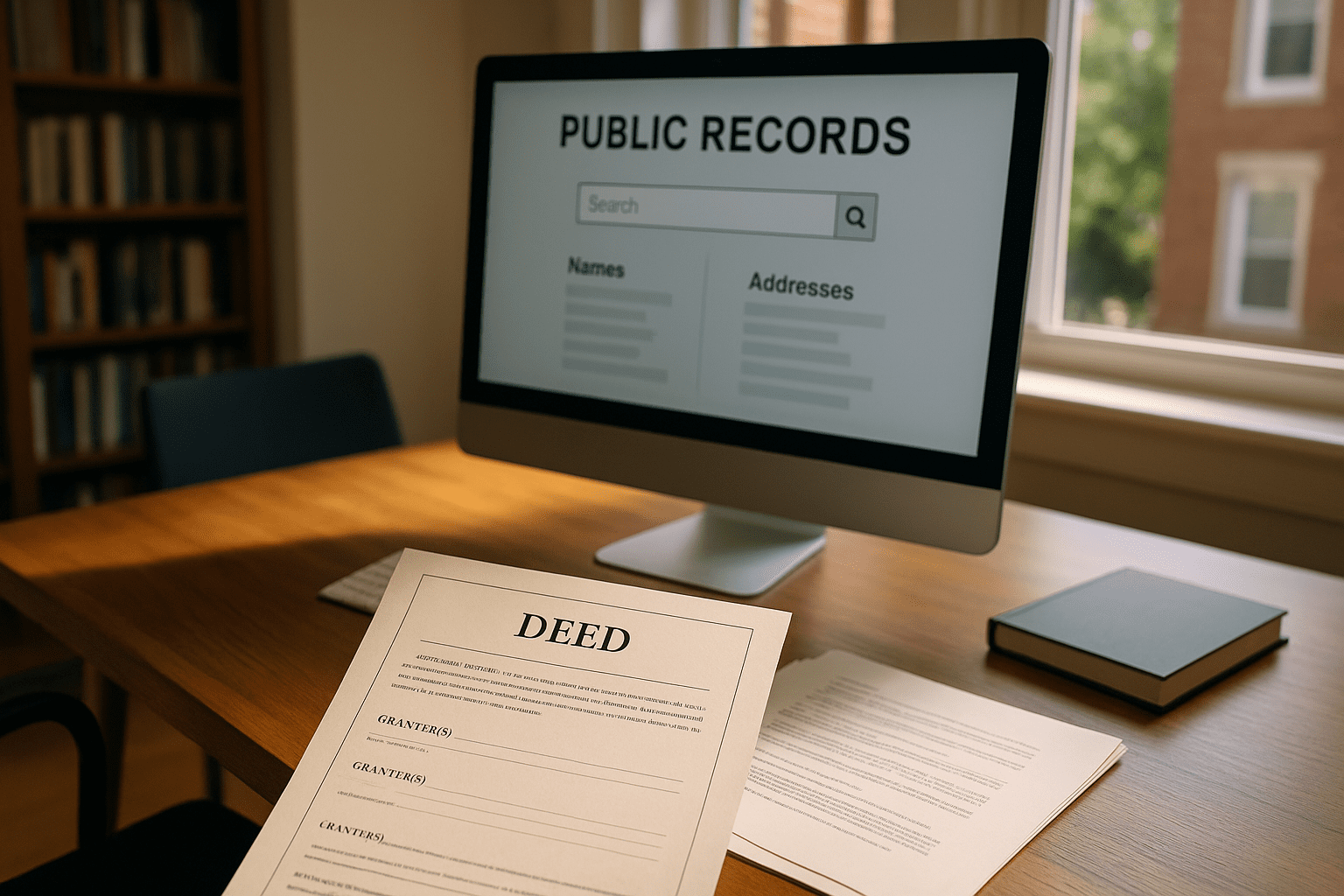
It is becoming more common to encounter real estate transactions within the digital fabric of public records. What used to be a paper trail filed in county offices is now a sprawling digital dossier accessible online across many jurisdictions. This transformation influences not only how data is managed but also how ownership and historical property details are verified and interpreted.
When Property Sales Become Data Points
Real estate deals are inherently tied to identity and location, making them fertile ground for inclusion in public records databases. With thousands of property sales happening every day, the accumulation of these transactions develops a living map of ownership footprints, wealth shifts, and even community trends. The records involved typically include deeds, mortgage information, liens, and other legal instruments that confirm a transfer or interest in property. Because these are bankruptcy, divorce, or probate proceedings touchpoints, they form a complex web of relational information between people and places.
For anyone researching property or person histories, these transactions become indicators far beyond price tags. They reveal patterns about residency longevity, neighborhood development, or financial behaviors like foreclosures. They also connect to other datasets such as tax records, zoning, or building permits, which enrich the understanding of the property’s role in wider public and municipal contexts.
Access and Availability: The Digital Shift
The rising accessibility of real estate transaction details owes much to public record digitization projects. Counties and states have invested in making these records searchable and viewable online, although the speed and coverage vary widely. This creates a surprising mixture of comprehensive databases alongside pockets of information requiring in-person visits or specialized requests. For frequent users, such as real estate professionals or genealogists, this digital availability speeds up otherwise slow workflows.
This change also invites more casual users to dip into public records for a variety of reasons-from verifying a house sale price to tracing family land ownership across generations. Yet, digitization raises concerns about privacy and data usage, as these records often include personal information that becomes easier to collect and analyze at scale. Various jurisdictions balance this transparency with restrictions on bulk data downloads or sensitive details, reflecting ongoing tensions between public access and privacy.
Beyond Ownership: Real Estate Transactions as Identity Signals
Real estate documents woven into public records do more than list who owns what. They become part of a broader identity mosaic when combined with other public data like court cases, address histories, or business registrations. Changing addresses tied to property sales, for instance, help establish residential timelines and corroborate identities across datasets.
This integration is particularly notable in people search and background research, where a property purchase or sale can act as a confirmation point in verifying someone’s identity or history. It helps build a more nuanced picture without relying solely on social media or self-reported details, which can be incomplete or misleading. Researchers and data analysts recognize these transactions as consistent behavioral markers that have legal and financial significance behind them.
However, it is important to remember that public records reflect official filings, which may lag behind actual events or be subject to errors. Ownership disputes and complex property arrangements further complicate drawing straight lines from transactions to identities. Caution and contextual reading remain essential to avoid overinterpreting what these records represent.
Regulatory and Market Forces Shaping Record Integration
Government policies and market trends both influence how real estate transactions get integrated into public records. Efforts such as the push for property ownership transparency, anti-money laundering laws, and enhanced public data standards motivate greater detail and timeliness in reporting. Conversely, protection measures aimed at vulnerable owners can limit certain information disclosure.
From a market perspective, the rise of online property platforms and data aggregators drives demand for high-quality, granular public records. These services supplement official filings by adding value through analytics, history tracking, and verification services. In response, many public record offices collaborate with private data firms or upgrade their own systems to serve modern needs better.
This dynamic shows a layered ecosystem where public agencies remain the source of truth, but the ways data is packaged, linked, and presented keep evolving. Businesses and consumers alike benefit from improved clarity about property transactions, whether for investments, risk management, or reconnecting with family roots.
The Human Side of Data on Homes and Ownership
While treating real estate transactions as data points can make them seem technical or detached, they ultimately embody deeply human stories. Each deed signed and mortgage recorded speaks to someone’s decision to build, move, or invest in a place they call home. When these records enter public systems, they offer windows into economic conditions, migration patterns, and societal changes.
Recognizing the real stories behind the data helps contextualize why accurate, accessible, and responsibly managed public records matter. They allow communities, historians, researchers, and everyday people to piece together narratives tied to geography and identity. Moreover, they highlight the need for systems that respect privacy while providing valuable transparency.
Public records are never just about numbers or files. They are living archives where tangible human experiences intersect with law, finance, and public policy. The growing integration of real estate transactions within these records offers a richer archive but also invites thoughtful stewardship as more people rely on them to understand their personal and public histories.
For anyone navigating real estate data or identity research, awareness of these evolving patterns helps set realistic expectations. The data is powerful but nuanced, shaped by layers of legal processes, technology changes, and societal values. As digital connections deepen, it becomes all the more important to respect the complexity behind the numbers and treat public records as both tools and testimonies of modern life.
Exploring the landscape of real estate data integration reveals more than just transaction trails. It opens a window onto ongoing stories about community, ownership, and the pulse of the property market as captured in the public domain.
For those interested in further details, government portal sites such as county record offices often provide instructions and access points reflecting current availability and scope. National real estate data aggregators or legal information sources also offer helpful contextual background for interpreting property transaction records within public datasets.
Sources and Helpful Links
- US Land Records – A comprehensive guide to accessing real estate public records across states.
- National Real Estate Investors Association – Insights and resources on property data and market trends.
- Nolo – An overview of real estate public records and legal considerations.
- DigitalGov – Government efforts and challenges in digitizing real estate records.