Tracing Family Roots Through a New Lens
Understanding our family history has long been an endeavor requiring patience and persistence. In earlier times, this often meant spending hours in dimly lit archives, thumbing through brittle papers or traveling to courthouses scattered across multiple towns or states. With the rise of public record digitization over the past few decades, the experience has quietly transformed. Genealogy enthusiasts and professional researchers can now access enormous collections of historical documents with just a few clicks, greatly reducing the effort needed to connect the dots between generations.
The shift to digital archives has changed the way family genealogies are explored. Online collections of scanned birth certificates, marriage licenses, census data, court records, and other vital documents provide a more complete and nuanced picture of family histories. The puzzle pieces of identity, which used to be scattered across local government offices or even private collections, begin to come together much more clearly.
Bridging Gaps That Paper Trails Left Behind
Paper records often told linear and sometimes fragmented stories, leaving researchers to wonder about missing family members or unfilled chapters. One less obvious benefit of digitization is the ability to cross-reference and link these isolated records in ways that were previously impossible. Advanced indexing and search functions embedded in online platforms allow people to uncover patterns that remain hidden when browsing paper files.
For example, a family listed in a census documenting occupations and household members can now be cross-checked with linked property deeds, naturalization records, or obituaries. This creates a richer narrative about migration routes, social standing, or economic changes across decades. Digitized documents often come with metadata or transcriptions, making it easier to follow a family’s story across jurisdictions and time periods in a way that physical archives could rarely provide.
Of course, not every piece of history has made it online yet, and the varied record-keeping practices over centuries still pose interpretive challenges. Errors and inconsistencies in old records, changes in spelling, or incomplete entries require careful examination and sometimes multiple sources to confidently trace a lineage.
The Quiet Revolution in Data Connectivity
Digitizing records means more than just turning paper into pixels. The real impact lies in how data is organized and linked to reflect real-world relationships. Public record databases increasingly incorporate address histories, alternative name spellings, and familial connections that help confirm identities which might otherwise be overlooked due to common names or incomplete information.
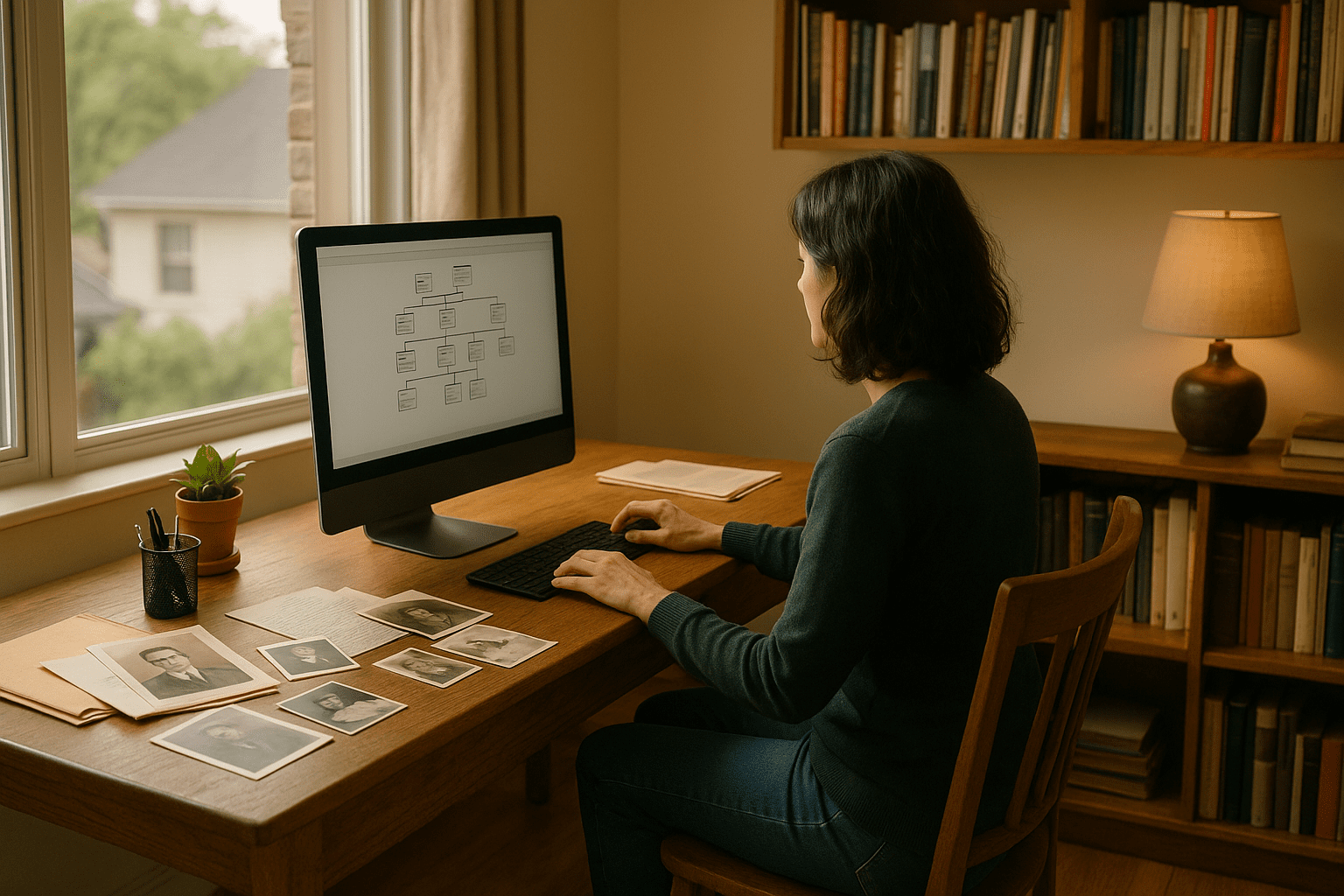
This interconnected data feeds into a growing ecosystem of genealogical research tools, including DNA testing services that cross-reference online records with genetic matches. People searching for relatives or tracing unknown branches can discover connections that were previously unimaginable. The convenience of accessing these resources from home has made genealogy a much more accessible and engaging pursuit for a wider audience.
While these tools offer more clarity than ever before, they still rely on critical thinking and contextual knowledge to interpret findings accurately. The dance between digital archives and biological data reveals the growing complexity and depth within family history research today.
Preserving Stories in the Digital Age
One of the less talked about advantages of digitization is the preservation of fragile historical documents. Many of the original paper records have suffered from age, environmental damage, or disaster events like fires and floods. Creating high-quality digital copies ensures that even if the physical items deteriorate, the information remains accessible to future generations.
Digitization can sometimes restore access to records considered lost or too fragile to handle. It acts as a steward of history, extending the lifespan of documents that serve as anchors to our ancestry. At the same time, this new accessibility raises questions around privacy, particularly for more recent records that may contain sensitive personal information.
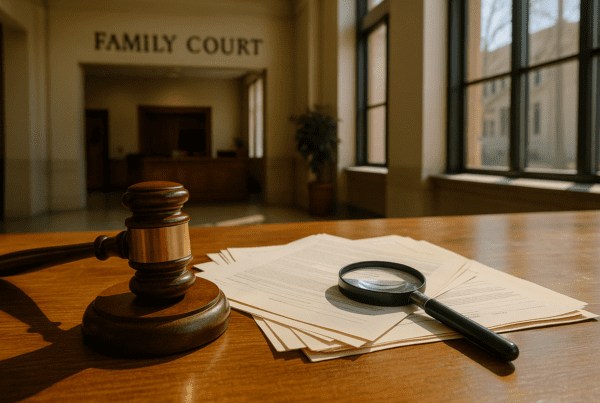
Balancing transparency and respect for individual rights is an ongoing concern for platforms and researchers, who must navigate different laws and ethical considerations in how data is shared and protected. Access to public records remains a powerful resource, but it comes with responsibilities to use the information thoughtfully.
Looking Beyond the Data for Deeper Connections
Family genealogy is more than just a collection of names and dates. It involves uncovering real stories, struggles, and milestones behind the documents. Digitized public records invite exploration into social history, cultural shifts, and personal experiences long buried under layers of faded ink and fragile paper.
Researchers uncover migration stories, social mobility, and community ties by connecting once-static records now alive with detail and searchable ease. This transformation makes genealogy feel like a shared human endeavor to discover our place in time and the forces that shaped those who came before us.
Major online collections, such as those at FamilySearch and the National Archives genealogy section, provide accessible gateways to explore this ever-growing digital trove. These resources open doors to fascinating journeys that honor the complexity and richness of family history in the digital age.
Sources and Helpful Links
- FamilySearch, a nonprofit organization providing free access to global genealogical records.
- National Archives genealogy section, offering guidance and access to historical public records in the United States.
- Library of Congress Digital Collections, a source for diverse digitized historical documents including newspapers and personal papers.