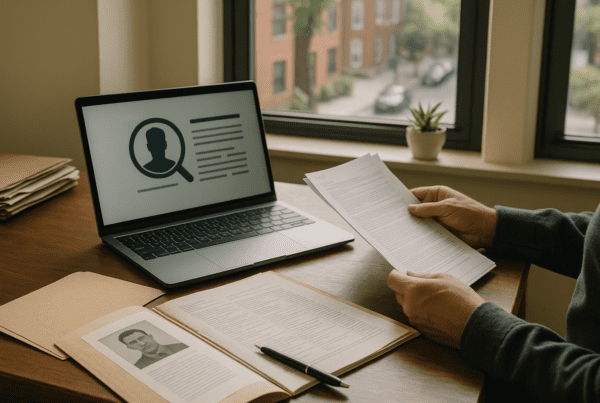

The acceleration of remote work has pushed employers to rethink how they verify who they are hiring. With no face-to-face meetings or paper resumes to rely on, digital identity verification has become a critical factor in the hiring process. Yet this shift has exposed fresh challenges that were less visible before remote setups became mainstream.
A world richer in data but thornier to trust
On one hand, employers now have access to a broader range of data points than ever before. Social media profiles, digital credentials, online portfolios, and video calls can all offer glimpses into an applicant’s background and skills. However, these same sources can be manipulated or incomplete, making it hard to fully trust digital identities without additional verification layers.
Digital footprints can be curated or even fabricated with more ease than paper documents. This reality has made simple authentication, such as verifying a name or email, inadequate for jobs where trustworthiness is key. In sectors like finance or healthcare, where sensitive data or high-stakes responsibilities come into play, verifying identity beyond the surface demands more rigorous approaches.
The evolving landscape of identity fraud and synthetic personas
Another concern is the rise of identity fraud with more sophisticated tactics, including synthetic identities crafted from a blend of real and fake information. These are designed to bypass automated systems and human scrutiny alike. For remote job hiring, this means that commonplace checks like background screenings may not catch every fraudulent applicant.
Cybercriminal networks have grown adept at creating faux profiles, often leveraging stolen data from breaches or social engineering. This is particularly worrisome given the extended remote interactions, which can lack the subtle nonverbal cues that in-person interviews provide. Organizations are increasingly aware that relying solely on traditional background data amplifies risk.
Privacy concerns add a layer of complexity for candidates and employers
Privacy also stands out as a thorny issue in this whole verification dance. Collecting extensive data for identity proof risks exposing candidates to intrusive scrutiny or potential misuse of information. There’s a delicate balance between securing an employer’s interests and respecting applicant privacy, leading to debates about what is fair to ask or store.
Some candidates might hesitate to share personal data or comply with intrusive checks, especially if the company’s policies aren’t clear or transparent. Regulators around the world have started to weigh in on the practices around digital identity to ensure compliance with privacy rights, requiring many organizations to revisit how they gather and handle sensitive information.
Technology gaps and unequal access affect verification fairness
Not all candidates are equally equipped to supply digital proof or seamlessly pass online screenings. Technology gaps related to hardware, internet access, or digital literacy can unfairly hinder applicants, disproportionately affecting underrepresented groups. This adds a layer of inequality that companies aiming for inclusive hiring need to be mindful of.
Moreover, automated verification tools often depend on algorithms that may not be equally accurate across all demographics, raising concerns about bias. These limitations can lead to false negatives or positives, complicating the trustworthiness of identity checks and potentially excluding qualified individuals.
Although tech advances like biometrics and blockchain-based identity solutions hold promise, their adoption remains uneven, and they introduce their own privacy and usability questions. The complexity of balancing innovation with fairness means no single solution fits all remote hiring contexts.
New expectations around identity as part of employment culture
Beyond the technicalities, there is an emerging cultural dimension to identity verification for remote jobs. Employees and employers alike are increasingly aware that identity in a digital environment intertwines with how trust and professional relationships are built remotely. Verifying identity is often the first step toward more transparent and secure virtual collaboration.
This growing awareness pushes companies to create policies and tools that support user control over how their digital identities are shared and verified. The shift also encourages ongoing conversations about the ethical use of public records and personal data within employment verification contexts, a dynamic often highlighted by industry watchers and regulatory bodies.
Organizations may find their reputations at stake if identity verification is handled poorly, leading to breaches, fraud, or alienation of staff. As a result, some companies are investing more resources in training HR teams, distributing clear guidelines, and partnering with third-party verification specialists to navigate these complexities responsibly.
This development signals that digital identity verification is not just a background check but a nuanced part of modern work culture, influencing trust, security, and inclusion simultaneously.
While the challenges are significant, they also open the door to innovative thinking about identity in a world where geography is no longer a boundary to employment. As more remote roles become permanent fixtures in the job market, the methods and standards for verifying digital identities will likely continue to evolve in response to the multifaceted demands of safety, privacy, and fairness.
For those involved in hiring or seeking remote work, staying informed about the ever-changing landscape of digital identity verification can help navigate these new waters more effectively. Awareness of risks and emerging solutions keeps the balance between digital opportunity and protection within reach.
For more detailed insights into identity verification and privacy considerations, pages like the Federal Trade Commission’s resource on identity theft prevention provide useful perspectives. Similarly, the National Institute of Standards and Technology (NIST) offers guidance on digital identity guidelines that shape practices in various sectors. For a consumer-friendly overview of privacy rights as they relate to employment, the Electronic Frontier Foundation’s coverage on workplace privacy can be a helpful reference.
As remote work remains deeply embedded in the employment ecosystem, the story of digital identity verification will continue to unfold with complexity and nuance.
Sources and Helpful Links
- Federal Trade Commission on identity theft prevention, consumer guidance on protecting personal information and spotting fraud
- NIST Digital Identity Guidelines, a framework that supports secure digital authentication and user verification
- Electronic Frontier Foundation on workplace privacy, exploring privacy rights and challenges in employment contexts