Addresses are the most visible part of public data contact history, but they tell only a fraction of the story. Digging beneath the surface of address changes, mailing records, and contact details in public records reveals hidden layers of information about how people relate to places and others over time. Contact history, when viewed in context, becomes a narrative of movement, relationships, and social ties that informs identity far beyond where someone has lived.
More Than Just Where You’ve Lived
Many people glance at addresses simply as fixed points on a map. Public records routinely capture these points, creating a timeline of address history that is often used for background checks, credit reporting, or reconnecting with someone. But addresses are not merely waypoints. They reflect stages of a person’s life, shifts in circumstance, and sometimes social mobility or hardship. For example, frequent moves within short periods could suggest instability, while longer residencies might indicate rooted community ties.
Yet, focusing on addresses alone misses how contact history also includes diverse communication venues and associations. Phone numbers, email addresses, registered businesses, and mailing addresses for relatives or acquaintances can be part of public data sets. These breadcrumbs connect to networks of relationships and activities surrounding an individual. Such connections often survive beyond the residential address, offering a richer understanding of identity.
Patterns Revealed by Contact Changes
The rhythm of changes in contact details uncovers real-world behaviors and decisions. When someone updates their phone number or changes an email, it may reflect life changes like job transitions, new relationships, or shifts in financial status. Publicly accessible change-of-address requests filed with postal services provide a formal record of moves, intersecting with these smaller contact updates to chart a fuller profile.
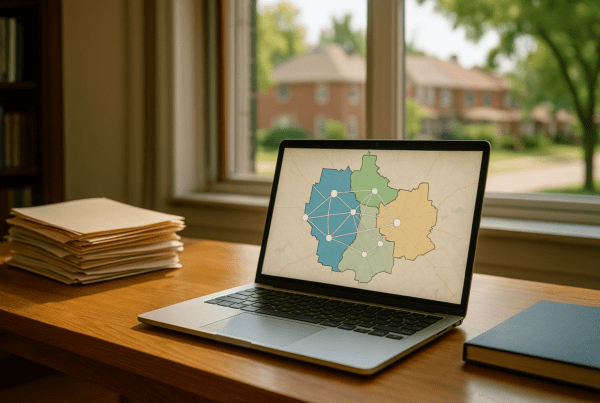
There is also the geographic layering within contact data. A person might retain a business address in one state while living in another or have multiple mailing addresses connected to family members or former homes. The overlap or divergence of these points can reveal a lifestyle marked by travel, dual residencies, or complex family dynamics. On the other hand, static or singular contact points often imply stability or limited mobility.
The Social Fabric Woven Into Contact Records
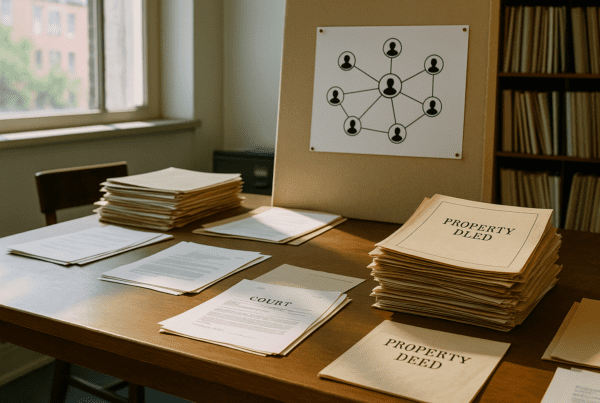
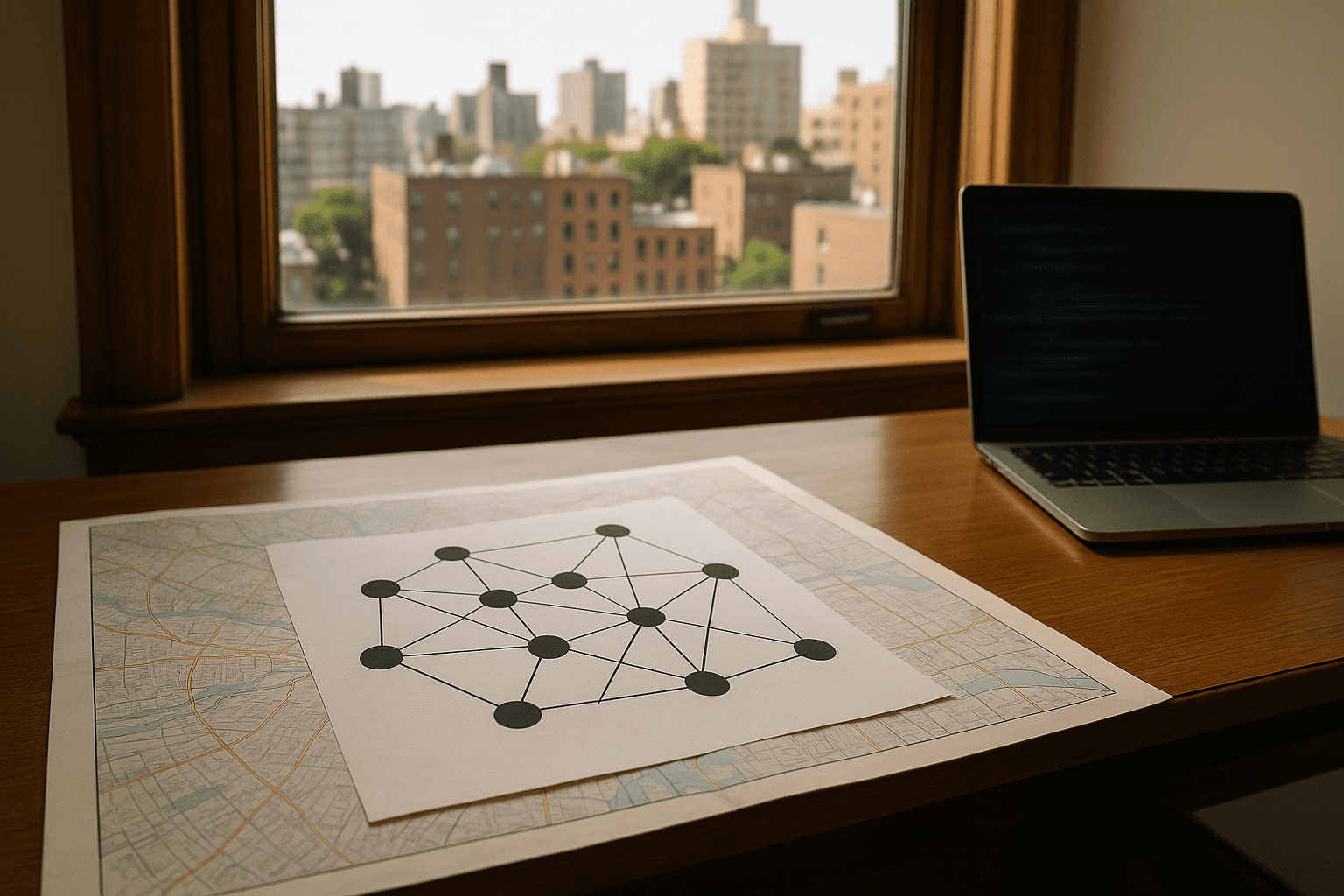
Contact history, especially in aggregated public data, frequently exposes relational and social contexts that addresses alone do not. Shared mailing addresses through relatives or partners, linked phone numbers, and joint business registrations all sketch out networks. These ties matter in verifying identities, understanding household compositions, or tracing family lineage.
In a practical sense, this social fabric within contact history helps explain why people appear connected in some records but not others. It provides context for data points that otherwise might seem isolated or contradictory. For example, a person listed at one address for vehicle registration but another for voting records can be understood through linked contact histories showing temporary stays or shared residences.
Moreover, the presence of contact history in public data supports authenticity checks. Consistent patterns of contact updates and overlapping associations across public datasets build reliability metrics about who someone is. Irregular or fragmented contact histories can flag caution for anyone trying to verify personal information based on public records alone.
Implications for People Search and Identity Verification
For those using public records to research individuals, understanding the broader meanings of contact history is essential. It allows deeper insight beyond spotting a current or former address. Observing the nuances of how and when contact details change, and noticing the interplay of multiple contact points, provides a fuller and more accurate picture.
This approach is particularly valuable when piecing together someone’s recent whereabouts, family or business connections, and even lifestyle choices. Public data that combines address history with a diverse set of contact records helps to avoid simplistic conclusions drawn solely from location data. It respects the complexities of modern identities shaped in a mobile, interconnected world.
Resources like the United States Postal Service’s change-of-address system provide crucial data on mailing moves, while phone and email records, often compiled by data brokers or retrieval tools, enrich those findings. For anyone interested in public records, combining these data threads creates a tapestry of contact history that explains much more than just where a person has lived.
Understanding contact history’s role in public data also means appreciating its limitations and the care needed in interpretation. Privacy concerns, data accuracy, and the variability of record updates all factor into how confidently contact history can be used. It is a vibrant resource that requires thoughtful navigation suitable for the goals of the search or verification task.
Ultimately, tracking contact history in public data offers a nuanced lens through which we can observe human lives as woven from places, relationships, and moments of transition. It enriches what addresses can tell us, turning data into stories with connections that matter.
For a closer look at how contact details play into identity and record checks, places like the USPS change-of-address information page and Federal Trade Commission overview on background checks offer clear guidance and context. Additionally, sites focused on digital identity and data accuracy, such as IdentityTheft.gov, help illuminate how contact histories intersect with personal security.
On the technical side, privacy education platforms like FTC’s privacy and identity pages explore best practices when handling contact and public data, reminding us of the balance between information and individual rights. This contextual understanding is vital as public records grow ever more extensive and interconnected.
Exploring contact history beyond a list of addresses uncovers the lived realities and complex connections encoded in public data. It highlights how identity is not static or singular, but rather a mosaic of places, contacts, and the social ties that shape who we are.
Sources and Helpful Links
- USPS Change of Address Process – Official details on how mailing address changes are handled and recorded by the postal service.
- Federal Trade Commission on Background Checks – Overview of public record use in background screening and identity verification.
- IdentityTheft.gov – Government resource with information about identity security and data protection.
- FTC Privacy and Identity Online – Education on privacy rights and managing personal data in public and digital spaces.