When disputes arise in civil and legal contexts, one rarely sees the argument emerge solely on a matter of opinion. Instead, there is a much larger navigation of documents, records, and verifiable details that shape how conflicts find resolution. Public records serve as the backbone for this process, establishing trusted information points that courts, lawyers, and individuals often rely on to chart the truth amid complexity.
Tracing the tangled web of facts
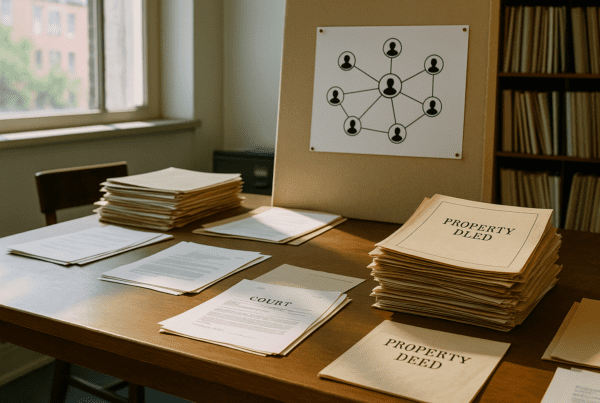
Legal disputes tend to unfold with numerous claims, counterclaims, and contested facts. Resolving these disputes demands something steady-a foundation built on shared data everyone can agree represents reality at certain points in time. That is precisely the role public records fill. They include court filings, property deeds, marriage licenses, business registrations, and countless other government-generated documents.
These records offer a paper trail of events and decisions. Without access to accurate, up-to-date records, the path toward truth becomes obscured. Imagine a property dispute where ownership is unclear or a family law case missing key dates of marriage or separation. The absence or inaccuracy of records can prolong litigation, increase costs, and introduce risk of wrongful outcomes.
More than names and numbers
At their core, public records might appear as mundane lists: names, addresses, dates. Yet, those details are often the critical threads connecting parties to actions and history. They help identify who is involved aside from legal counsel or representatives-sometimes uncovering hidden links or fraudulent actors.
For example, business registrations ties can clarify responsible individuals behind companies, which becomes vital in contract disputes or debt collection. Address histories may confirm residency claims in tenancy disagreements. Courts use these records to build a timeline of relevant activities, verifying when and where events took place.
The accuracy here matters because a misspelled name or outdated address can create enough ambiguity to stall or misdirect proceedings. Even officially maintained databases sometimes lag or contain errors, so legal teams and agencies must be diligent in cross-referencing and validating the data they draw from public repositories.
Interpreting the silence in records
Public records do not simply list facts-they provide context through the presence or absence of information. Sometimes what is missing speaks volumes. An expected recording, like a lien release or court judgment, may never appear if processes were not properly completed.
When records are incomplete or delayed, disputes can escalate, relying more on testimonies and less on verifiable evidence. Parties might dispute the validity of claims due to gaps or inconsistencies, breeding suspicion and complicating settlements. This points to the broader challenge around public records management-ensuring accessibility, completeness, and correctness over time.
The evolving landscape of digital records
Technology has changed how public records are maintained and accessed. Many jurisdictions have shifted from paper-based archives to digital databases, improving searchability but also raising new challenges in data integrity and security.
Disputes sometimes involve questions not just about the content of records but their electronic authentication. Ensuring these digital records are accepted as genuine and unaltered evidence requires transparency in how they are stored, updated, and protected.
As noted by [NACM](https://www.nacm.org/), the shift toward electronic records has brought advances but also a need for consistent standards and user education to avoid errors or misuse. This transition reflects a larger pattern in the legal system where traditional evidentiary methods blend with modern information technology.
Identifying parties and supporting due process
One of the most fundamental challenges in civil and legal disputes lies in correctly identifying the individuals and entities involved. Public records often serve this purpose by linking names to addresses, birth dates, or business affiliations, which facilitate proper notifications and hearings.
For stakeholders who rely on these records, such as courts and law enforcement, the clarity they provide can prevent procedural errors that might otherwise invalidate proceedings. Access to these records also protects individuals by ensuring they are aware of claims or charges brought against them, embedded in due process principles.
Balancing accessibility with privacy
While accurate records are vital, the tension between open public information and personal privacy persists. Legal frameworks like the Freedom of Information Act (FOIA) promote access to government data but often carve out sensitive information to protect individual rights.
Finding this balance influences how records are kept and shared. Overexposure risks misuse or identity theft, yet restricted access can hinder legitimate legal inquiries. Responsible record management practices aim to preserve data accuracy while respecting privacy boundaries.
Behind the scenes of dispute resolution
For many who encounter legal disputes, the behind-the-scenes reliance on public records remains invisible until a snag appears. Professionals in law, real estate, finance, and social services spend considerable effort piecing together relevant records to build cases, mediate conflicts, or verify histories.
These endeavors reveal that the quality of public records does not just affect legal outcomes but also shapes trust in governmental and judicial institutions. When people know records are reliable and accessible, the system gains legitimacy and efficiency.
Highlighting this is the work found on [USA.gov](https://www.usa.gov/public-records), which guides users through public record types and their uses, reinforcing the practical importance of these documents in everyday governance and dispute resolution.
Ultimately, the accuracy of public records acts much like a compass in complex legal terrain, pointing toward fairness and clarity. Without it, any search for legal truth risks wandering into uncertainty or error. Observing how these records work in concert with courts and society offers insight into the enduring role of data stewardship in the justice system.
In an era where information spreads rapidly and new conflicts arise across various domains, maintaining trustworthy public records remains a quiet pillar that supports dispute resolution, legal transparency, and public trust.
Sources and Helpful Links
- USA.gov Public Records – Overview of different types of public records and their uses.
- National Association of Court Management – Information on court systems and records management.
- U.S. National Archives Public Research – Resources on accessing and interpreting public records.