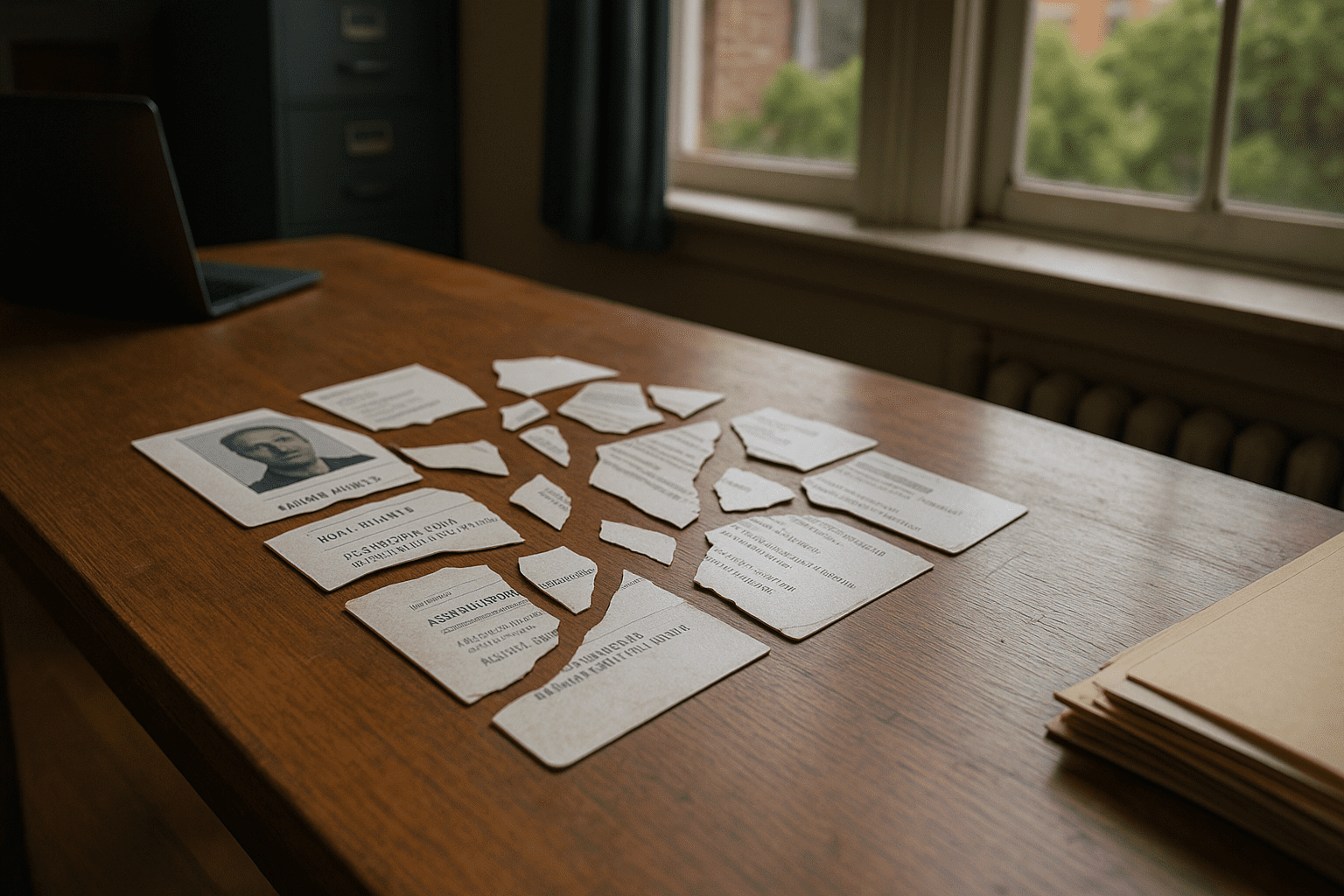
Anyone who has dug into public records knows the experience of facing conflicting details rather than a clear, consistent picture. Names, addresses, dates of birth, or familial relationships sometimes disagree when attached to a single individual. These contradictions can feel like a roadblock or simply a source of confusion, yet they actually reveal something broader about how records reflect identity and how information flows through multiple, independent systems.
What lies beneath conflicting records
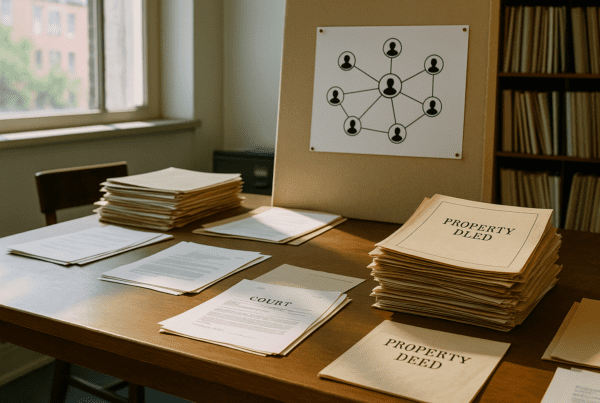
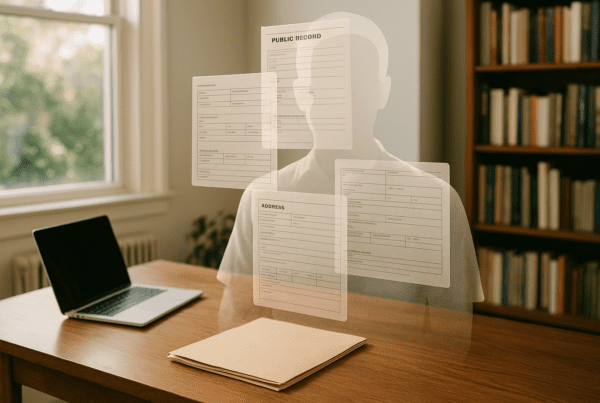
Public records come from a wide range of sources such as government agencies, courts, tax offices, and licensing organizations. Each entity collects and updates information but does so independently and with varying protocols. Even when identifying details appear straightforward, errors can silently creep in through manual data entry, outdated entries, or differing update cycles. A person who moves multiple times might end up listed at several addresses, with some remaining out of date in certain databases. Additionally, how a name is recorded can vary greatly; nicknames, initials, or abbreviated forms might be used in certain records while legal names appear elsewhere.
Missteps in recording numbers are also common. For example, a Social Security number or birthdate may be entered incorrectly, or digits swapped, creating confusion by incorrectly linking information to the wrong person. Some variations come from deliberate decisions, such as adopting a new name after marriage or using an alias for privacy. These layers mean conflicting entries often reflect a real-world complexity more than simple mistakes.
Tracing identity through mixed data trails
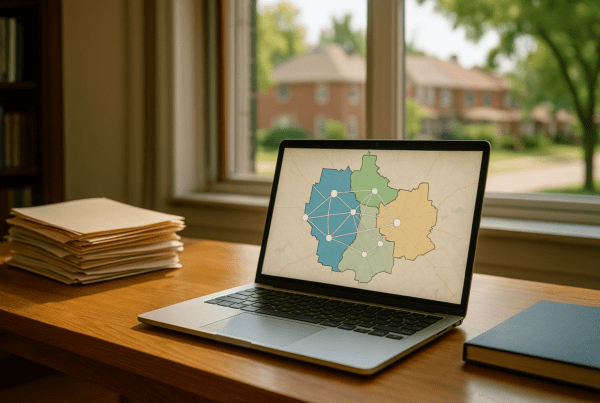
Professionals who work extensively with public records often engage in what is called record linkage. This process involves connecting pieces of information that belong to the same individual even when the details differ at first glance. Linkage methods combine technology with human oversight. Algorithms examine phone numbers, family relationships, employment history, and addresses to find overlaps that suggest records belong together.
Despite advances, linking is not infallible. Records belonging to different people can be mistakenly merged, while true matches remain hidden if the discrepancies are too great for automated systems to reconcile. The stakes are not trivial. Misidentification can lead to wrongful assumptions in employment background checks or housing applications. Those researching family histories frequently hit dead ends or confusing tangles due to contradictory records, underscoring real challenges in making sense of public data.
Public records as living documents shaped by their environment
It helps to think about public records not as static facts, but as snapshots taken at various times and places. They document bits of a person’s life filtered through bureaucratic processes, personal change, and timing. The same birthdate might be rendered differently across states due to varying reporting standards. Name changes approved by courts add fresh layers to a person’s official story.
Beyond administrative quirks, conflicting information often mirrors how people themselves navigate their identities. For example, address changes might be deliberate moves to avoid harassment. Business owners may use a trade name instead of their legal name, or individuals might use aliases in certain circles for privacy reasons. Such twists enrich how identity is represented in public records, revealing nuance rather than error alone.
Navigating the ambiguity in public data
Faced with conflicting information, approaching public records with care and investigation pays off. Cross-referencing multiple sources, looking for the most recent updates, and tracking unique identifiers such as Social Security numbers or consistent family members can help untangle the knots. In some industries, specialized companies refine public record data by merging duplicates and validating entries for consistency, reducing the confusion conflicts cause.
Still, no source or system in public record keeping is perfect. Imperfections inevitably reflect the complex lives recorded and the human effort behind data collection. Awareness of these pitfalls allows users to interpret records with reasonable caution.
The phenomenon of conflicting records draws attention to a broader truth about public data and identity, reminding us that what we see in documents is never the full story. Records offer a layered, sometimes messy portrait of who people are and how they fit into society’s information infrastructure.
Those who want to explore official data further can visit government portals such as USA.gov for links to federal and state public records. The National Archives provide access to both current and historical records, shedding light on their evolution. Organizations like Privacy Rights Clearinghouse offer thoughtful perspective on privacy and the accuracy challenges public records face.
In the end, conflicting data does not necessarily indicate error or negligence. Instead, it offers a window into the complexities of personal history and administrative systems that, together, shape our understanding of identity through public records.
Sources and Helpful Links
- USA.gov – Official access point for U.S. government public record resources
- The National Archives – Insight into historical and current public records maintenance
- Privacy Rights Clearinghouse – Information on privacy and data accuracy in public records