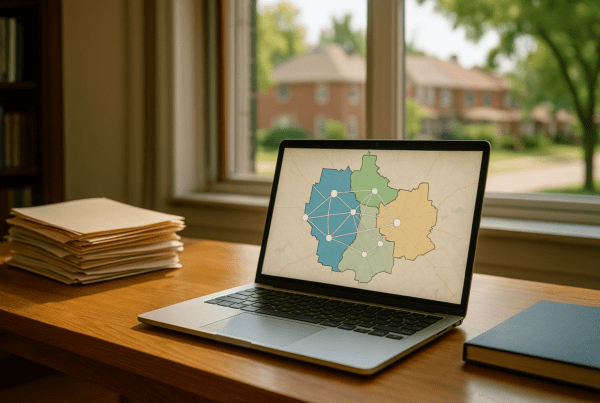
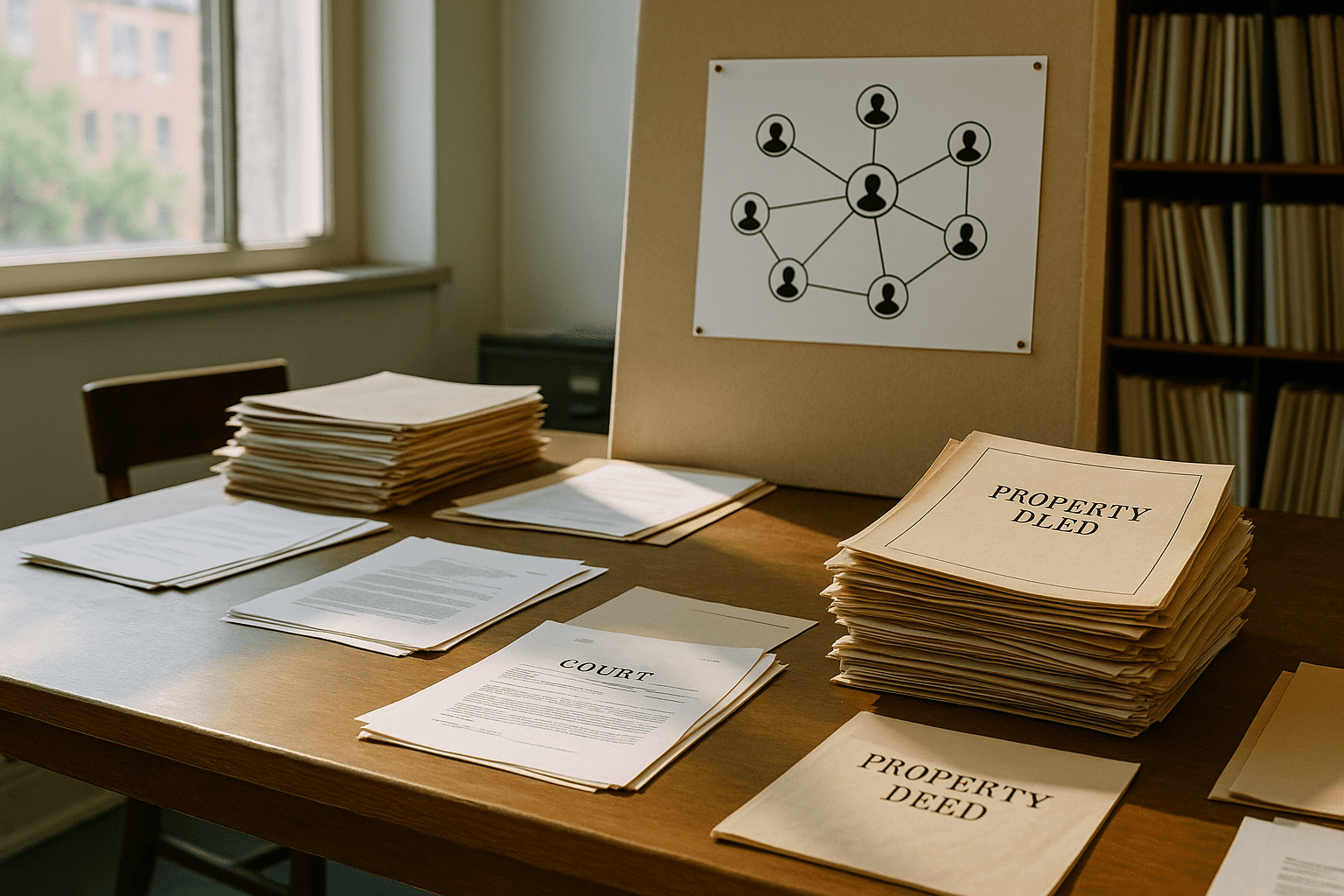
Social networks often feel like something we experience through screens and apps. Yet beneath these digital interfaces lies an intricate web of real-world connections grounded in public records. These records provide an essential, often overlooked resource for understanding how people link to one another beyond the usual profile pages.
Tracing Ties in a Sea of Data
Public records cover a broad spectrum, from property transactions and court filings to marriage licenses and business registrations. Each document carries breadcrumbs about a person’s social and familial ties. When a property deed lists joint owners, or a court case references multiple parties, it hints at relationships that may extend far beyond the individual.
For example, addressing the connections between neighbors, co-owners, or co-signers on legal documents can reveal community clusters or networks of trust long before social media charts their virtual likenesses. This data shapes an understanding of social structures in neighborhoods, workplaces, or professional associations as seen through the official records left in public view.
The Challenge of Linking Records to People
While records hold clues, connecting these fragments to accurately map social networks is a task that demands care. Names can be common, addresses may change, and records often reflect snapshots from different times. The same individual might appear under multiple name variants across various documents.
This means that establishing who belongs where in a social network frequently involves cross-referencing multiple data points. Birth and marriage certificates paired with property records and court cases, for example, help validate ties and avoid mistaken identities. Tools used by researchers and data aggregators sift through thousands of entries to find consistent linkages, making the invisible connections tangible.
Beyond just names and dates, patterns emerge from shared addresses or joint financial obligations, often pointing to family members, roommates, or business partners. Such linkages reveal layers of social connections embedded in official paperwork that otherwise remain dispersed and disconnected from each other.
Everyday Uses That Feel Personal
For many, exploring these connections is part of a deeper search for family history or verifying identities during reunions. In legal or business contexts, understanding social ties can clarify potential conflicts of interest or inheritance rights. Public records serve as a grounding reference for these personal and professional inquiries.
This kind of investigation shows how social networks are not just virtual concepts confined to apps but are rooted in real paperwork with legal weight. It can reveal long-standing relationships, unexpected alliances, or even shifting social dynamics over time.
People often discover connections to distant relatives they never knew existed or verify the authenticity of individuals in transactions. Privacy considerations aside, these documents offer transparency about who is connected to whom, helping to resolve disputes or confirm personal stories.
Privacy Considerations and Transparency
As the power of public records to illuminate social networks grows, so does the need for thoughtful privacy safeguards. While transparency benefits individuals seeking clarity about family or legal matters, it can raise concerns about how far accessible data reaches into private lives.
The balance between openness and privacy depends on local and federal regulations that govern what information is available and how it can be used. These legal frameworks aim to protect individuals while allowing legitimate use of public data for research, verification, or reconnecting with others.
Understanding these boundaries helps people navigate public records with awareness and care, respecting both the personal nature of the data and the public interest in transparency.
Additionally, evolving technology and the digitization of records intensify the conversation around data security and ethical use. Organizations and governments continue to refine guidelines that protect sensitive information without stifling access to the social insights these records can provide.
A Continuing Pattern in Data and Identity
Social networks built from public data tell a story that evolves alongside legal systems and technology. As more records become digitized and accessible, the potential for deeper insights grows, along with the responsibility to use such information wisely.
This constantly shifting landscape highlights how people are not isolated nodes but rather parts of an ever-changing fabric of relationships, documented in places that often go unnoticed. Watching how public records hold and reveal these social signals offers a unique perspective on identity and connection, rooted in the laws and lives that surround us.
For those curious about the ties that bind, exploring public records can open doors to histories and relationships that might otherwise remain hidden behind the everyday flow of data.
With more data becoming digitally searchable, the ways people interact with these records keep expanding. Genealogists, journalists, and civic researchers find new opportunities to chart social networks using official documents. The challenge is balancing the richness of public data with respect for privacy and ethical considerations.
The nuanced view gained from public records complements digital footprints, allowing a layered understanding of social ties grounded in factual, legal documentation. It reminds us that behind every social profile online or offline, there is a network shaped by history, place, and circumstance.
To learn more about the use and limits of public records, resources like USA.gov public records guide provide valuable insights. Similarly, organizations focusing on privacy such as the Privacy Rights Clearinghouse explain how data use impacts personal information. For understanding how these records connect to identity verification and social mapping, FTC on personal information offers clear background on data handling. Finally, the US Census Bureau’s family and social networks section adds context on how social ties are measured within official statistics.
Exploring these resources can help anyone interested in how the pieces of public data come together to reflect the social world we all inhabit.
Sources and Helpful Links
- USA.gov public records guide – Official overview of what public records are and how they can be accessed
- Privacy Rights Clearinghouse – Information on privacy and data protection
- FTC on personal information – Explains data use and consumer rights
- US Census Bureau family and social networks – Insights into how social relationships are viewed in government statistics