When diving into public records to find information about a person, it isn’t unusual at all to encounter conflicting details. Names that vary in spelling, addresses that don’t line up, birthdates that are slightly off – these contradictions emerge regularly. They reflect the imperfect nature of public data collection and the complex identities behind the records.
How Records Gathered Across Time Tend to Diverge
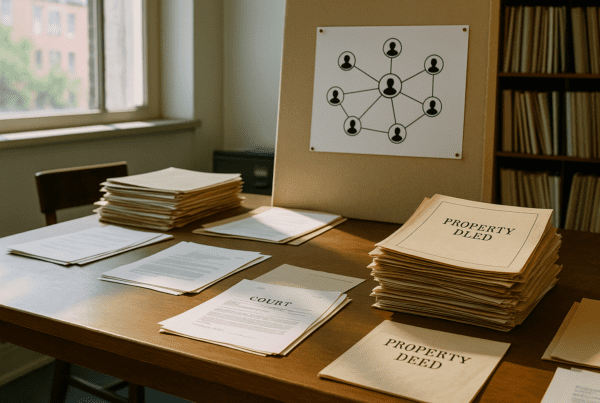
Public records come from various sources collected over years or even decades. Each agency, from local property assessors to court clerks, has its method and schedule for updating files. Meanwhile, the people at the center of these records move, change names, or fill forms inconsistently. The result is often a patchwork of information, where one snapshot says one thing and another, something else.
Take addresses as an example. Someone might appear at a property tax record on one street, but a utility billing record shows an apartment in a nearby town from the same period. Sometimes the difference is a matter of timing, possibly because the person recently moved and both addresses are technically correct for different months. Other times, records may capture a mailing address instead of a physical property, creating apparent contradiction.
Understanding the timing of when each record was created or updated helps bring clarity. It also shows why single records without context can be misleading.
Peculiarities of Names and Identification Numbers
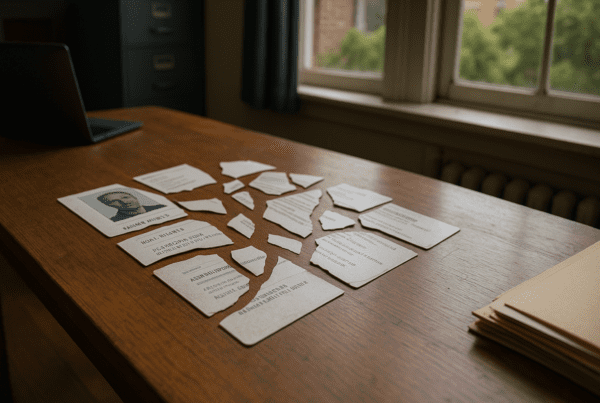
Names seem straightforward but often challenge anyone trying to sift through records for a specific person. Variations in first names, nicknames, and suffixes like Jr. or Sr. appear frequently. Records may contain misspellings or use initials rather than full names. When public records derive from handwritten forms, transcription errors slip in.
Beyond names, identification numbers such as Social Security numbers or driver’s license numbers sometimes appear inconsistent or absent. This happens partly because of privacy rules limiting what data is available or because previous records had incomplete data. Mistakes in data entry or fraud attempts can also introduce false information.
One notable difficulty is handling common names. Searches for “John Smith” might pull dozens or hundreds of records spread across many individuals. Then the task becomes recognizing which records actually belong together. Analysts often look for additional data points like relatives, locations, or employment history to piece together a consistent record for that one John Smith rather than treating each document as unique.
When Conflicting Records Reflect Real-World Complexities
Conflicting public records also reveal life’s complexities, not just bureaucratic inefficiencies. For example, people may change their names for various reasons including marriage, divorce, or gender transition. Sometimes, new identities arise from legal name changes after immigration or adoption. These legitimate changes show up as conflicting details unless searched carefully with awareness of those possibilities.
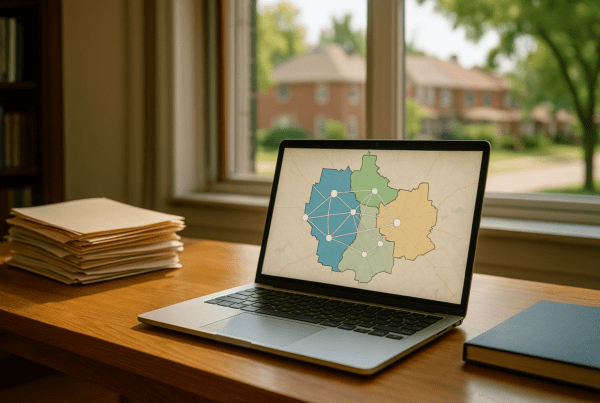
Different regions may have separate record systems that do not always synchronize perfectly, causing overlapping or contradictory entries. Records can also reflect multiple residences where a person maintains simultaneous addresses for work, family, or other reasons.
Understanding these layers means recognizing that public records are not static snapshots but dynamic documents shaped by life events. Approaching conflicting data with openness to these realities is key to seeing the fuller picture.
The Importance of Cross-Checking and Context
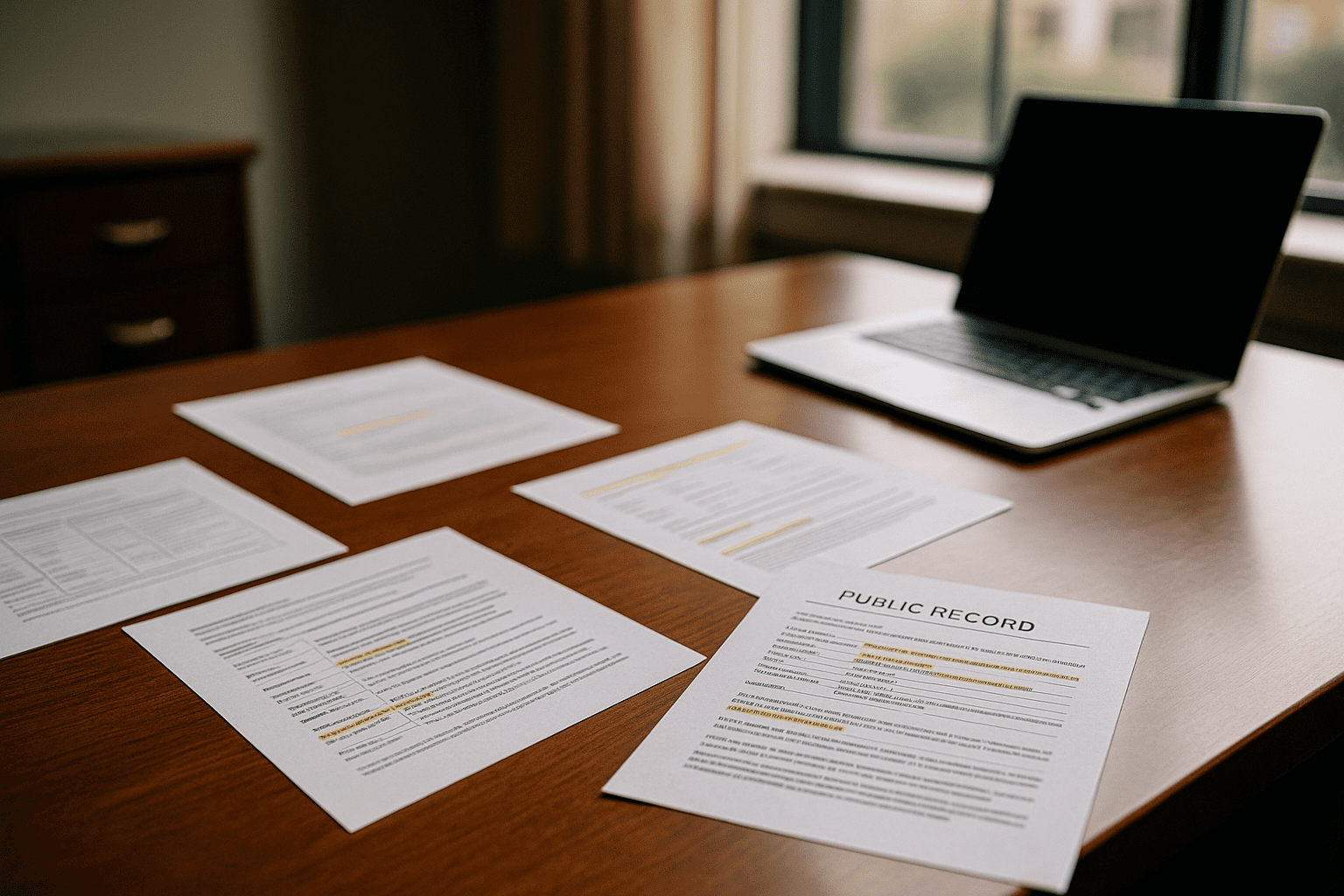
No single public record stands entirely reliable on its own when discrepancies appear. Cross-checking multiple independent sources remains the best practice to verify details. This might include comparing court documents with property files, voter registrations, or professional licenses. Each additional piece of information adds weight and nuance.
Contextual clues are often the strongest guides. Dates, geographic proximity, family member names, and occupation can link records that otherwise seem at odds. Patterns in timing, such as sequential moves or employment history, often clarify which details align.
Technological advances now help too. Many people search services combine data and identify matching records using algorithms that account for common errors or variations. Yet these are aids rather than perfect solutions. Human interpretation of the findings continues to matter.
What Conflicting Data Means for Everyday People Searchers
For individuals looking up someone from their past or verifying an identity, encountering conflicts might feel confusing or overwhelming. The main takeaway is to treat public records as pieces of a puzzle rather than absolute truths. A richer understanding emerges by weaving the pieces together thoughtfully rather than discounting any one record outright.
This approach diminishes false assumptions and reveals the real stories behind the data. Whether reuniting with family members, checking potential business partners, or simply satisfying curiosity, grasping the nuances of conflicting records leads to more meaningful results.
Ultimately, public records reflect the messiness of human lives even as they strive to bring order to identity and history. Accepting that tension between clarity and contradiction allows those relying on this information to navigate it wisely, with patience and perspective.
For anyone interested in more detailed coverage and tools about public records, sites like USA.gov offer government resources explaining public data use. Organizations such as the Federal Trade Commission provide guidelines on background checks. Digital identity resources including Consumer Reports cover how to handle personal data carefully. For deeper insights into record linkage challenges, academic summaries at Carleton University Library explain methods and pitfalls.
Engaging with these resources can help anyone seeking to understand the nuanced world of public records and how conflicting data fits into the bigger puzzle of identity.
Sources and Helpful Links
- USA.gov Government portal with information on accessing and understanding public records
- Federal Trade Commission Guidelines on background checks and use of public information
- Consumer Reports Tips on protecting personal online identity and handling data
- Carleton University Library Explanation of record linkage and challenges faced in matching data across sources