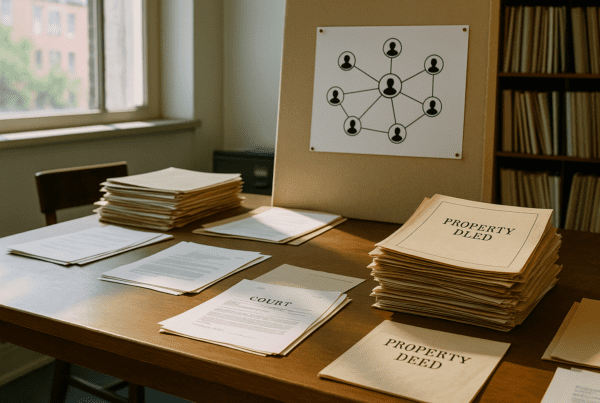
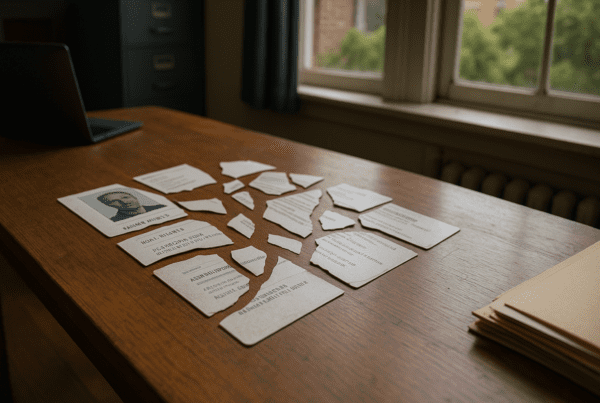
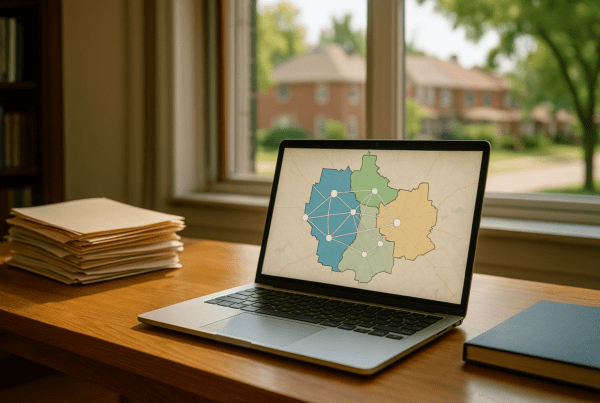
Public records have long stood as a backbone to countless inquiries, research efforts, and personal searches. These records, ranging from court documents to property deeds and vital statistics, provide windows into individual histories and broader societal patterns. Yet as privacy concerns grow and regulatory frameworks evolve, the redaction of sensitive details in these records is becoming increasingly common. Observing how these edits play out in practical research settings reveals not only changes in the availability of information but also shifts in the reliability of conclusions drawn from these sources.
When Pieces Are Hidden, Patterns Get Blurred
Real world data investigations and people searches rely heavily on connecting dots across multiple documents and records. Names, dates, addresses, and relationships form a complex web of identity signals and context. When parts of records are redacted to shield certain identifiers or personal data, this connectivity suffers. In some cases, vital clues about a person’s history or associations disappear entirely, while in others a partial redaction can create ambiguity-making previously clear connections fuzzy at best.
This phenomenon has tangible consequences. For example, genealogists may find unexpected gaps in their family trees because birth and death records exclude key details. Similarly, verifying a person’s residency or legal affairs becomes difficult if addresses or case outcomes are masked. These real world complications ripple outward. The overall trustworthiness of a public record source can drop when frequent redactions prevent a comprehensive view, leading to hesitance among researchers in depending solely on these records for accuracy.
The Balancing Act Between Privacy and Transparency
Redaction exists for a reason. The need to protect individual privacy, especially in cases involving sensitive medical, financial, or familial information, is undeniable. This is reflected in various state and federal policies aimed at restricting access to personally identifiable details, especially in online databases. The challenge lies in maintaining the integrity of public records as tools for accountability, historical preservation, and verification without infringing unduly on privacy rights.
Interestingly, some jurisdictions handle this balance by limiting redaction to select fields while keeping core factual elements accessible. Others may apply blanket obscurations in certain record categories, leading to more fragmented data landscapes. Observing this patchwork approach highlights how the same type of record can vary significantly in usability depending on origin and the applied rules. Such variability forces researchers to adjust expectations and methods depending on where and how records are sourced.
Patterns of Redaction Often Reveal Social Sensitivities
Not all redactions are created equal. Over time, one can observe patterns about what gets blurred or removed and what is left intact. Often, fields linked to financial details, mental health, or family arrangements receive the most coverage under privacy protections. Court records involving juvenile cases or victims of certain crimes also follow this trend.
These patterns speak volumes about societal priorities and sensitivities. They remind us that public records are not just neutral containers of data but documents imbued with cultural values about what information deserves shielding. This contextual lens is crucial when using these records for research or verification; understanding why something might be redacted can be as informative as the visible data itself.
The Impact on Digital Identity and Verification Processes
In an increasingly digital world, people search engines and verification services bank on the completeness and reliability of public records. Redactions make it difficult for automated tools to parse data fully, sometimes triggering false positives or negatives in identity matching algorithms. This can complicate everything from background checks to reconnecting with lost contacts.
Organizations relying on these sources must then incorporate additional verification steps, such as cross-referencing alternate databases or augmenting search criteria with user-provided details. This added complexity reflects a growing tension between data privacy standards and the need for dependable digital identities amid the streamlining of online interactions.
Challenges and Opportunities in Research Adjustments
Research professionals who engage deeply with public records are finding themselves retooling their approaches. Beyond simple record retrieval, analysis now often demands awareness of what may have been edited out and strategies to compensate for missing pieces. Some are turning to triangulating data from disparate sources, including less formal databases, archive collections, or even crowdsourced information, to fill gaps left by redaction.
This effort calls for a nuanced understanding that public records are moving targets, evolving in openness and scope. Patience and contextual thinking become vital skills, as does transparency about limitations when presenting findings drawn from partially redacted information.
In essence, the redaction of public records not only affects the raw data but reshapes the research landscape itself. It invites ongoing observation and adaptation to maintain a judicious balance between respecting privacy and preserving the public’s right to information.
Such considerations reflect larger questions about trust, responsibility, and the meaning of transparency in a data-rich society. As the public record continues to transform, so too must our expectations and methods in engaging with this evolving resource.
For those curious about the intricacies of public records, exploring guidelines and experiences shared by professionals and regulatory bodies provides valuable perspective. Resources like the National Archives and Records Administration discuss redaction policies alongside archival preservation philosophies, while civil rights organizations articulate the importance of privacy safeguards in modern governance.
Meanwhile, digital privacy education hubs offer insights on how redaction intersects with data protection laws and individual rights, helping paint a fuller picture beyond the surface of the blacked-out lines and missing entries.
Understanding the layered impacts of redaction extends beyond academic interest. For everyday people using public records for reconnecting with family, conducting personal background checks, or simply learning history, recognizing these nuances can foster wiser expectations. It also spotlights the ongoing negotiation between public access and personal privacy that shapes our collective data environment.
While the practical effects of public records redaction are still unfolding, the current patterns invite ongoing attention. Observers attuned to how these edits affect research accuracy help inform public discourse and policymaking, ensuring that this important resource continues to adapt responsibly amid the demands of privacy and transparency.
Resources worth consulting for deeper understanding include the National Center for State Courts on court record privacy, the Legal Information Institute’s overview of public records law, and community discussions featured on digital identity platforms. These references anchor the observations here in authoritative frameworks and lived data realities.
Sources and Helpful Links
- National Archives and Records Administration – U.S. federal resource on records preservation and access policies.
- National Center for State Courts – Information on court records privacy and transparency rules.
- Legal Information Institute – Detailed overview of public records law and access rights.
- Privacy Rights Clearinghouse – Educational resource on data privacy and public record implications.
- Digital Identity World – Platform discussing identity verification and data challenges.