
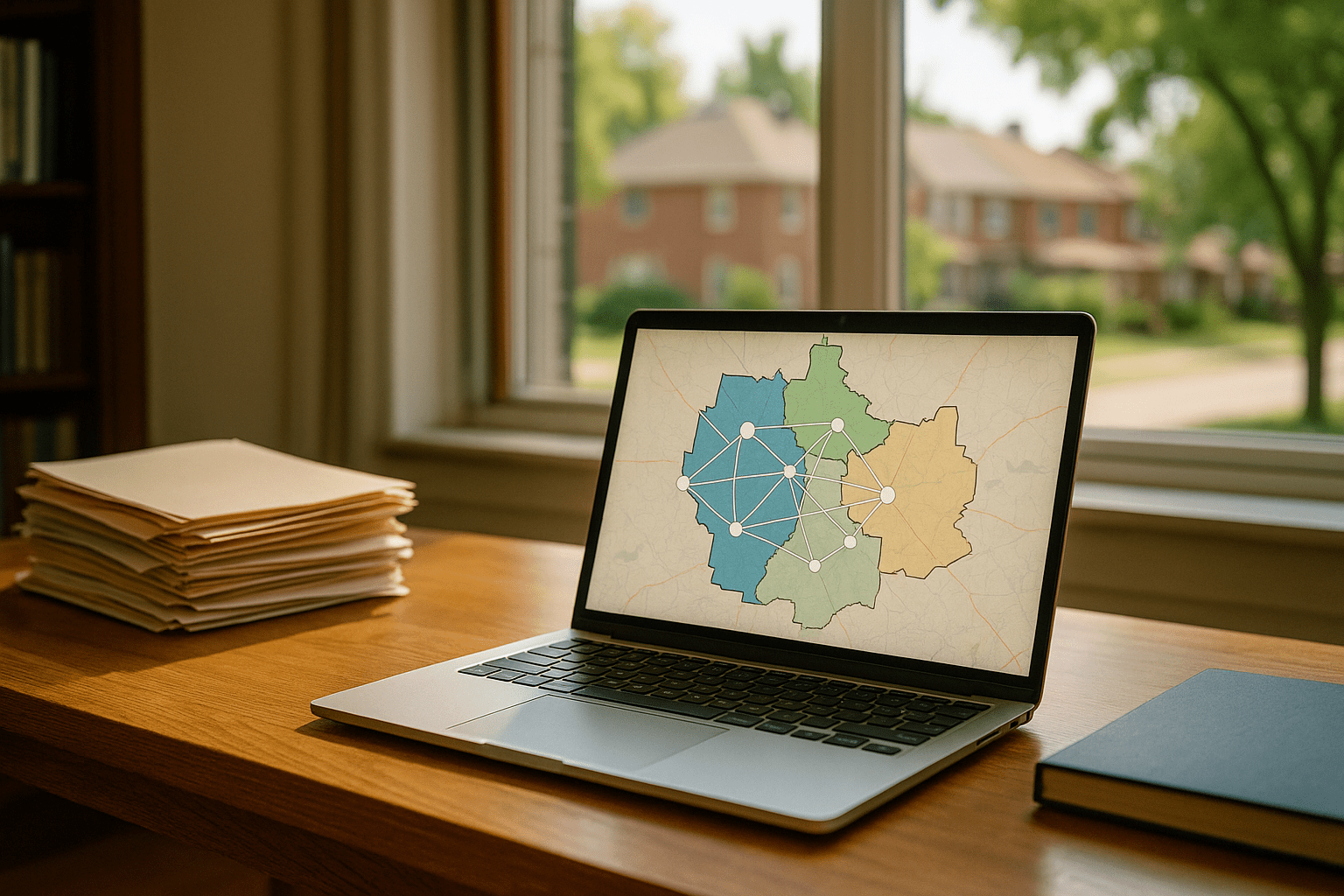
When it comes to piecing together a person’s identity through public records, the task can feel a bit like assembling a puzzle with missing or oddly shaped pieces. One of the trickiest parts of this process is managing data that originates from different jurisdictions. Whether records come from local, state, or federal levels-or even different countries-the differences between them make it challenging for people search services to create a seamless picture.
Differences in Record-Keeping and Data Standards
Each jurisdiction maintains its own set of rules about which records are collected, how they are structured, and the methods for storage and access. For example, a county in one state might keep birth records in a certain digital format, while another county in a neighboring state retains the same data as scanned documents without standardized indexing. These variations make it difficult to merge databases confidently, as simple mismatches in name spelling or date formats introduce uncertainty.
Across state lines, even more disparities emerge. States have their own standards for criminal, court, or property records, sometimes imposing different classifications or abbreviations. The absence of a universal data model means that mapping fields between databases involves a lot of interpretation and compromise, increasing the risk of errors or omissions.
Privacy Regulations Shape What Can Be Shared
Privacy laws come into play heavily in cross-jurisdictional data sharing. Many jurisdictions have enacted statutes that govern who can access certain personal information and under what conditions. The General Data Protection Regulation (GDPR) in Europe, for example, sets strict guidelines on how personal data must be handled, which contrasts with looser restrictions in some parts of the United States.
This means that even if the data technically exists and could be linked, actual access to it might be blocked by legal boundaries. Some states restrict access to sensitive records, such as those concerning minors, or records related to certain criminal cases. Others may require requester identity verification or restrict how the data can be used, particularly for commercial purposes. These walls result in fragmented data distribution, making comprehensive people search results uneven and sometimes incomplete.
Technical Barriers and Data Quality Issues
Collating data from disparate systems is not just an issue of policy but also of technology. Older legacy databases may not support modern data transfer techniques or APIs, requiring manual intervention to extract and translate records. This process is often slow and resource-intensive, leading to backlogs or outdated information.
Data quality is another hurdle. Because recordings and updates happen at different times and in different manners, records from multiple jurisdictions may show conflicting details. For example, an address change might be reflected in a property record but not updated in related court or vehicle registration records. Without a reliable method to verify and update these discrepancies, people search services risk presenting an inaccurate or misleading profile.
The Role of Linking Algorithms and Human Oversight
To address the inconsistencies, many platforms rely on matching algorithms that assess similarities in names, dates, addresses, and relationships to piece together identities across systems. While these tools have improved with machine learning techniques, they can’t fully compensate for sparse or inconsistent data. False positives and negatives still occur, especially when common names or data entry errors are involved.
Human review remains an important part of the process to validate matches and spot errors that algorithms might miss. Experts familiar with particular jurisdictions may recognize patterns or oddities that reveal mistakes in automated linkage. However, this approach demands specialized knowledge and labor, which is not always feasible at scale.
Furthermore, the balance between automation and manual work influences how timely or comprehensive results can be. People searching for timely background information may encounter delays or gaps due to these complexities.
The Push Toward Standardization and Interoperability
Recent industry efforts point to a growing awareness of these difficulties and a desire for standardization. Initiatives like the National Information Exchange Model (NIEM) in the United States aim to create common frameworks to facilitate data sharing across agencies and jurisdictions. While progress has been slow and adoption uneven, such frameworks may gradually enhance the ability of people search systems to link records reliably.
Interoperability standards are also emerging in specific fields such as law enforcement or health records, demonstrating how aligning data formats and sharing protocols can improve cross-jurisdictional queries. The hope is that over time, better cooperation and technology will make identity research across borders less challenging.
However, these endeavors require ongoing negotiation among policymakers, technologists, and data custodians to respect privacy, security, and operational concerns. Stakeholders must weigh transparency and accessibility against risks of misuse and breaches.
In the meantime, users of people search tools will continue encountering the uneven terrain of linked records and the occasional frustration of incomplete or mismatched information. Understanding the nature of these challenges offers a clearer perspective on why seamless data integration remains an elusive goal, rather than a straightforward technical fix.
Among the many complexities in people search today, the challenge of linking across jurisdictions stands out as a reminder of how identity information exists within a patchwork of systems shaped by local governance, technology choices, and privacy values.
As interest in more robust identity verification and public data accessibility grows, the pressure to resolve these cross-jurisdictional barriers will likely increase. Until then, those navigating public records must acknowledge the limits of available data, the nuances of legal frameworks, and the intricate dance of technology and human judgment involved in connecting the dots.
For those interested in diving deeper, resources such as the National Information Exchange Model offer insights into data standardization efforts. Privacy regulations from agencies like the Federal Trade Commission describe the legal backdrop affecting access and usage. For broader discussions on public records and data linkage, the Privacy Rights Clearinghouse provides extensive analysis addressing these ongoing themes.
Each record, each data point, exists as part of a complex ecosystem. It is the intersection of law, technology, and human factors that continues to shape the reality behind seemingly simple queries about people.
Sources and Helpful Links
- National Information Exchange Model, explaining data standardization frameworks designed to support cross-jurisdictional information sharing.
- Federal Trade Commission, providing details on privacy regulations that impact public record accessibility in the U.S.
- Privacy Rights Clearinghouse, offering resources and commentary on privacy, data linkage, and consumer rights.