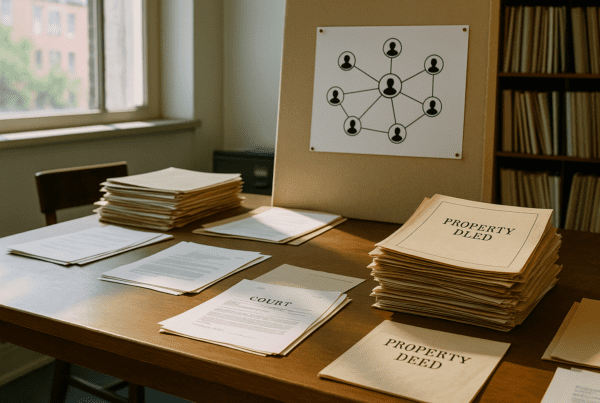
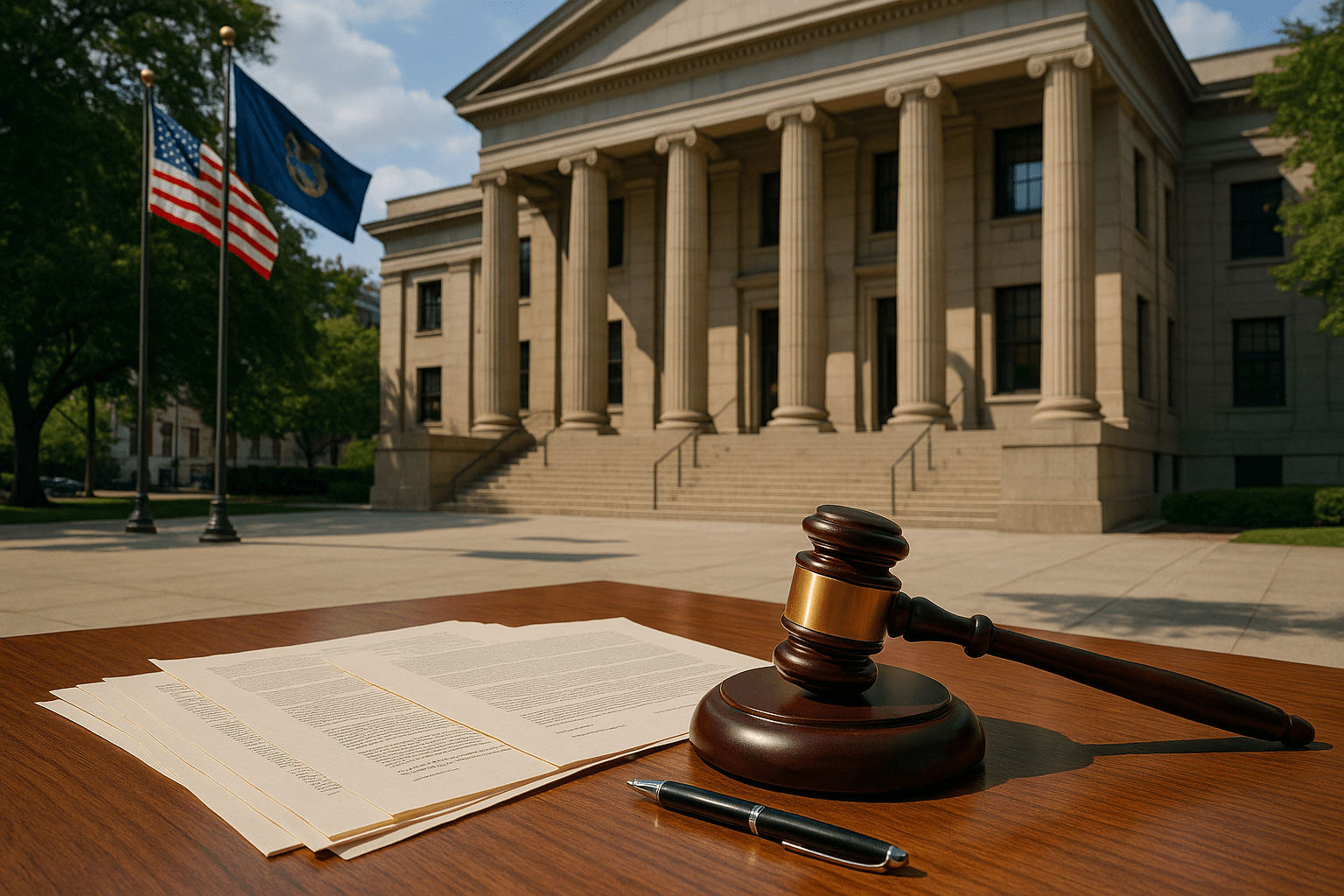
Criminal records have long been a raw material for public understanding of law enforcement and legal outcomes in society. Over time, courts have wrestled with the tension between transparency on one hand and privacy and fairness on the other. Recently, a series of court decisions have contributed to an ongoing evolution in how these records are accessed by the public, influencing not just legal professionals but everyday people seeking information.
Observing shifts through legal interpretation
A recurring theme in the recent rulings involves clarifying who exactly the public is and how much access should be granted to different parties. While it seems straightforward to allow broad review of criminal histories, courts have increasingly acknowledged the potential harms that unfettered dissemination of this data can inflict. These include stigmatization, obstacles in securing employment, and even jeopardizing reintegration efforts for former offenders.
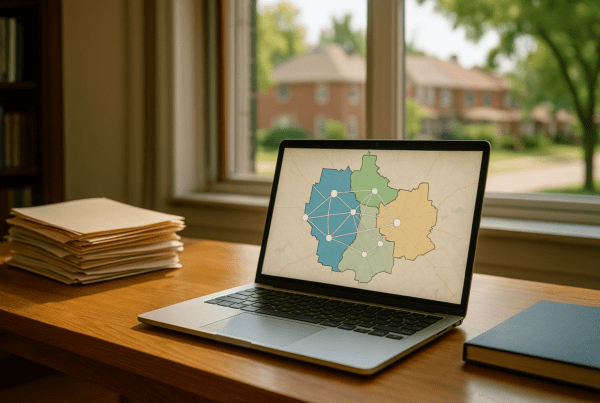
This has led courts to reinterpret existing statutes around public records, as well as introducing new nuances in constitutional and privacy law arguments. For example, courts have been asked to decide whether digital databases, maintained by government agencies or private entities, offer the same level of access as traditional paper records. Some rulings have favored restricting the ease of electronic access, placing conditions or fees, to mitigate privacy risks.
The ripple effects extend to how background checks for housing, education, and licensing are conducted. Several cases have tackled the question of how deeply such checks can dive into a person’s criminal past, especially where that history includes minor or old infractions. These decisions reflect a broader judicial reckoning over the balance between aiding information gathering and protecting individuals’ rights.
The less visible impact on public information ecosystems
Beyond newsroom headlines, the gradual reinterpretation of access rules is reshaping the data landscape in subtle ways. Public records portals operated by municipalities and states sometimes alter the availability of criminal information after court decisions. In some instances, data fields are redacted or removed altogether, requiring greater authentication or justification to view certain records.
This changing environment complicates the efforts of people search platforms, background screening companies, and even ordinary citizens attempting to verify identities or histories. The evolving criteria for what must be disclosed reflect an unsettled area of law and policy. Providers of public records may have to navigate overlapping jurisdictional demands and emerging standards, which can lead to inconsistent access across regions.
All of these factors combine to influence how society as a whole perceives criminal records. When certain information is shielded or restricted, it may generate greater skepticism about transparency. Alternatively, these moves could be seen as corrective measures balancing public interest with personal dignity and the opportunity for rehabilitation.
Real-world implications and everyday dilemmas
The recent court decisions do not occur in a legal vacuum. They weave into real people’s lives in many tangible ways, especially when it comes to critical moments like job seeking or applying for housing. Employers and landlords often rely heavily on criminal records as part of screening, and changes in access rules affect these routine decisions.
For individuals with criminal histories, restrictions on public access might offer a fresh start. However, these limitations also create challenges in verifying records when necessary, such as in custody disputes or situations requiring trust verification. Navigating this complexity requires more sophisticated understanding from all parties involved.
The evolving judicial stance also reflects society’s shifting attitudes toward privacy and data sharing in general. As more information becomes digital and more accessible, courts seem increasingly aware of the risks posed by widespread availability of sensitive personal data.
The road ahead with evolving record access
Where public access to criminal records heads next is still unfolding. Courts continue to balance competing interests under often unclear statutory frameworks. Legislators in some areas are stepping in to write new laws that clarify what should be public and what deserves protection.
Meanwhile, the broader context of data privacy laws and digital security will likely shape future rulings. As case law develops, users of criminal records, from government agencies to private sector firms and individuals, will need to remain alert to what information can be accessed and under what terms.
Understanding these shifts requires paying attention to new court rulings, legislative updates, and changes in agency policies. For those relying on these records, the landscape looks like a moving target, grounded by a growing awareness of privacy interests that courts are trying to balance alongside transparency.
More detailed perspectives on these developments can be found at places like the United States Courts records overview and in analyses by legal advocacy organizations tackling public record access and privacy challenges.
Ultimately, the story of public access to criminal records reflects an ongoing negotiation between people’s right to know and the impact that knowledge carries on individuals’ futures. Recent court decisions provide a glimpse into how that dialogue is shaping a more nuanced approach to these powerful but sensitive documents.
As the conversation continues in courtrooms and legislative halls, the real-world effects ripple through the everyday searches and checks that many people rely on – quietly changing how information about criminal histories is shared, seen, and understood.
Sources and Helpful Links
- United States Courts Records Overview – Official source detailing court records and access policies.
- American Civil Liberties Union – Privacy and Surveillance – Insights into privacy rights related to public data.
- Nolo – Access to Criminal Records Explained – Practical overview of how criminal records can be accessed legally.