It is not uncommon for people to face confusion or disputes about their identity, especially in situations involving background checks, legal matters, or reconnecting with family. Public records play a vital role in resolving these conflicts by providing verifiable data points that help distinguish individuals from others who might share similar names, dates of birth, or addresses.
How Overlapping Identities Build Confusion
When multiple people share the same name and live in nearby areas or overlap in age ranges, identity mix-ups often arise. Without reliable data ties, it can become difficult to tell who is who beyond guesswork or assumptions. Think of someone trying to verify a person they knew long ago or an employer conducting a background check. If public records do not clearly link a specific name with distinct identifiers, the result can be conflicting information that raises doubts.
Other factors such as name changes, especially due to marriage or personal choice, add complexity. For instance, Mrs. Smith might have been Miss Johnson previously. Without records that trace these changes, establishing a continuous identity trail may be cumbersome. The presence of aliases or variations in name spellings also contributes to the puzzle.
Pieces of the Puzzle in Public Records
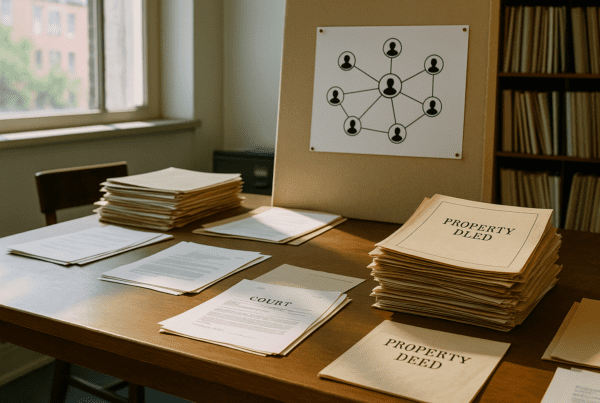
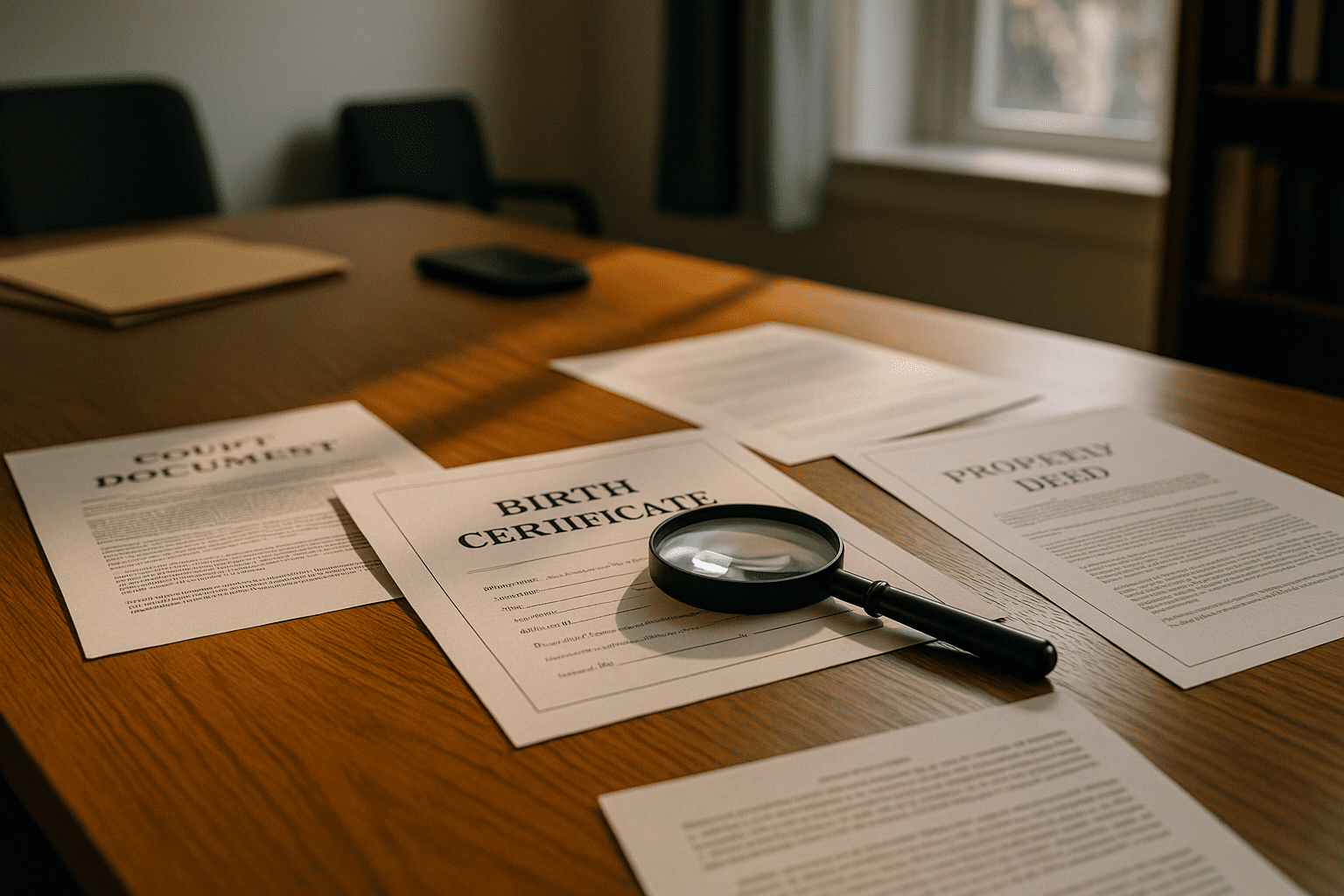
What makes public records so powerful in clarifying identity disputes is that they are official, often government-issued, documents that serve as anchors for verification. Birth certificates, marriage licenses, court records, property deeds, and professional licenses each offer unique insights about a person’s life and legal status.
For example, a birth certificate establishes fundamental details like full name, date and place of birth, and parentage. On the other hand, property records might show where and when someone lived, which helps connect an individual to a specific location during a certain period. Court records can shed light on legal name changes or identity theft claims, clarifying the narrative further.
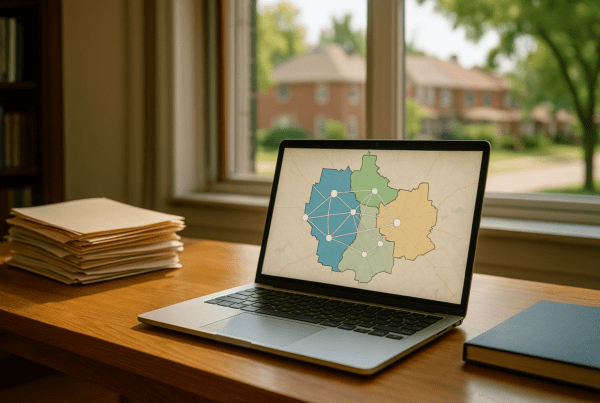
Sometimes, these records may seem overwhelming or scattered across different agencies and jurisdictions. However, advances in digital record-keeping and dedicated people search platforms help aggregate this data, making it easier to cross-reference and confirm identities. This level of linkage is crucial when subtle differences, such as a middle initial or previous address, help separate two people with otherwise indistinguishable names.
Behind the Scenes: How Records Are Connected
Tying public records together to reveal a coherent identity profile requires more than simple matching of names. Investigators and data professionals look for overlapping details that jointly support the same individual. These include full name, aliases, dates of birth, past and current addresses, phone numbers, family relationships, and employment history.
Special attention is paid to identifiers that are less likely to be coincidental, like social security numbers or driver’s license information. Unfortunately, such sensitive data is not always publicly accessible, so people often rely on available demographic and geographic details to confirm identity.
Patterns emerge when records align on multiple fronts. For instance, if a person’s property deed, voter registration, and business license all show John A. Doe living at a specific address over several years, that combination of records supports the conclusion that these documents pertain to the same person. If yet another record shows John Doe living elsewhere with a drastically different birth date, it signals a different individual.
The Real World Impact of Resolving Identity Conflicts
Properly untangling identity conflicts has significant consequences. Consider the legal realm. Mistakes in identity verification might lead to wrongful arrest, credit report errors, or eligibility issues for benefits and services. Even outside the courtroom, identity confusion can affect personal relationships, job prospects, and financial security.
Public records therefore serve as a critical tool to safeguard individuals from such harmful mix-ups. They provide objective, documented evidence that can be reviewed, challenged, or confirmed as needed. However, this process depends heavily on the accuracy and currency of public data. Agencies tasked with maintaining these records constantly update and verify their information to minimize errors, but occasional discrepancies still surface, requiring further investigation.
Looking at the bigger picture, society benefits when identity information is trustworthy and accessible in a responsible way. Transparent public records enable everyone from concerned family members to professional investigators to navigate the intricate web of personal data with greater confidence.
One helpful resource that sheds light on the role of such records is the Federal Trade Commission’s section on identity issues, which explains common problems and remedies. Meanwhile, privacy-focused websites explore how personal data is linked and what protections exist to prevent misuse.
Exploring these perspectives highlights the delicate balance between access to identity information and respecting privacy. While public records are indispensable for resolving confusion, responsible handling ensures that this power does not lead to unwarranted exposure or exploitation.
As digital tools continue to advance, the integration and analysis of public records will only become more refined. Still, it is important to appreciate the human element involved – interpreting records requires careful attention, context, and sometimes follow-up rather than assuming an automated match settles the question.
Public records remain a steadfast resource that, when used thoughtfully, illuminate the real story beneath the surface of identity conflicts. They anchor our attempts to piece together fragmented details and provide clarity in a world where names alone do not always tell the full tale.
For those navigating identity questions, understanding the role public records play reveals both the challenges and opportunities inherent in this domain. It is less about shortcuts or sweeping conclusions, and more about patient assembly of evidence from the past and present, leading to clearer, more accurate identification.
Resources like the National Archives offer guidance on accessing historical records that might close gaps, while state government websites often provide searchable databases for property, court, and vital records.
Ultimately, public records act as trusted footprints left behind in everyday life. The more carefully they are followed and connected, the more confidently identity conflicts can be resolved.
In the end, these documents are not just sheets of paper or bits of data. They are markers of lives lived, paths crossed, and truths waiting to be uncovered.
Sources and Helpful Links
- Federal Trade Commission on Identity Theft – Official resources about identity-related challenges and protections.
- National Archives Research – Guidance for accessing historical and genealogical records that aid identity research.
- USA.gov Public Records – A centralized hub to locate various public record sources across government agencies.
- Privacy Rights Clearinghouse – Educational materials on how personal data is managed and protected.