
Walking through the layers of public records access today reveals a landscape being quietly redrawn by a series of privacy laws enacted at the state level. Not long ago, the expectation was that public records meant just that – open, easily accessible data about individuals and institutions. That expectation has been moving steadily away toward a more nuanced picture, where privacy concerns often weigh heavily against transparency.
When openness meets evolving privacy concerns
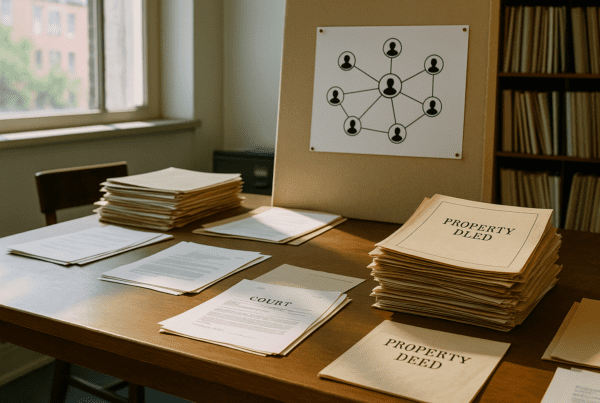
Traditionally, public records covered a wide range of data types – birth and death certificates, property deeds, court filings, professional licenses, and many more. The idea behind their availability was fairly straightforward: transparency supports democracy, accountability, and civic engagement. Yet as smartphones and digital data have permeated everyday life, concerns about misuse and overexposure have gained traction.
This heightened awareness about personal data security is reflected in new laws passed in states like California, Virginia, and Colorado. These laws go beyond old frameworks to introduce stronger restrictions on who can access public records and under what circumstances. For example, some states now require agencies to redact certain information or verify the identity and intentions of requesters.
This means simple routines, such as searching for a property owner or checking court records, can come with unexpected hurdles. In California, the California Consumer Privacy Act (CCPA) has added layers of data protection that affect even government-held information. Virginia and Colorado have followed with their own versions focused on digital privacy and personal information protection.
Data availability and the new patchwork challenge
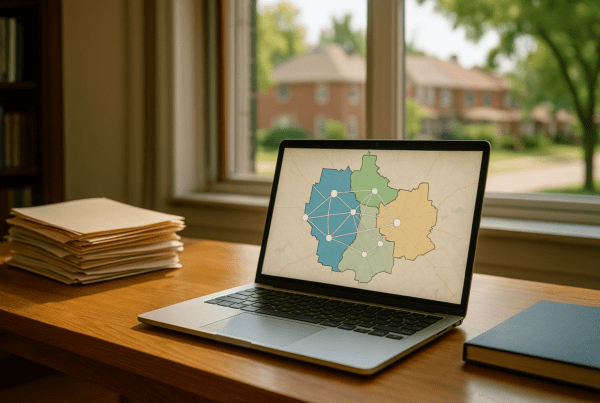
With these changes enacted unevenly across different states, the concept of public records as a uniform resource is diminishing. Access to records in one state might be straightforward, while in another, it may require formal applications, notarized affidavits, or even denial if the data requested touches on sensitive personal details.
These discrepancies challenge anyone who relies on public records regularly – whether for journalism, genealogy, legal research, or reconnecting with family or past acquaintances. The shifting legal environment means the availability of vital records can no longer be assumed, even for data that traditionally has been considered public domain.
Some databases are adapting by linking state-specific rules to their search logic, but this is a complex task. It also means broader data sets can become fragmented, which raises questions about the accuracy and completeness of any given search or background check. A property deed in one state might be easy to locate online, while in another state, it might require a trip to a government office, or it might be partially redacted.
How these shifts reflect broader cultural and technological currents
The changes to public records access are not isolated legal updates but rather reflect deeper cultural currents. The tension between communal knowledge and personal privacy has been with us for quite some time, but the digital era has intensified this tension by making personal details far easier to aggregate and misuse.
The rise of identity theft, doxxing, and other forms of digital harassment have led states to act in ways that reduce publicly available data, thereby attempting to mitigate harm. These protective efforts respond to real-world consequences felt by individuals whose lives have been impacted through the misuse of publicly accessible information.
However, this protective shift must be balanced with the continuing public interest in accountability and transparency, especially related to government and legal proceedings. Where to draw the line between protection and openness is still a subject of ongoing debate and gradual adjustment.
The evolving role of intermediaries and platforms
Interestingly, websites and services that aggregate public records find themselves caught in the middle. They must constantly adjust their data gathering and sharing practices to comply with each state’s regulations. Their role extends beyond mere access points to being stewards who interpret and filter data responsibly.
Some services now require users to confirm their purpose for accessing data or to create verified accounts under new rules. These methods attempt to deter misuse, but they also introduce friction for genuine users. The balance between ease of use and legal compliance is an ongoing practical puzzle, especially as more states adopt varying rules.
At the same time, technology offers opportunities for innovation in this space. Privacy-enhancing techniques like data masking and user consent management enable platforms to offer controlled access that respects new laws. It shows how adaptation is happening both through regulation and technology simultaneously.
Real-world impact-for individuals and professionals
For the average person, these shifting rules make public data searches less predictable than before. What might have taken minutes a few years ago could now require verification steps or partial data exposure. This matters for people trying to reconnect with family members, verify identities, or handle estate matters.
Professionals who depend on public records, like investigators, attorneys, or journalists, face a patchwork of requirements that complicate their workflows. They must remain vigilant about compliance while ensuring their findings are accurate and comprehensive. The evolving legal context requires ongoing learning and adaptation, rather than relying on fixed assumptions about record availability.
Such realities highlight how public records are not static or uniform but a living ecosystem influenced by law, technology, and societal values. Observing these trends helps contextualize what users see today and anticipate how their approach to data access might evolve.
To explore detailed summaries and legal perspectives on current privacy laws affecting public records, resources like the National Conference of State Legislatures provide up-to-date and authoritative information. For practical advice on navigating changed access to court and vital records, USA.gov offers official guidance and state-specific links.
Meanwhile, for a comprehensive look into how technology and privacy intersect in public information access, the Privacy Rights Clearinghouse collects real cases and explanations related to public records. These help ground the discussion in lived experience beyond just legal texts.
Ultimately, public records accessibility reflects ongoing tensions and balancing acts. As privacy norms develop and technology moves forward, one can expect this space to continue evolving in ways that require us to constantly rethink what openness and privacy mean for everyday data.
Sources and Helpful Links
- National Conference of State Legislatures offering updated insight into state privacy laws and their implications for internet and personal data
- USA.gov providing official guidance on accessing public records and vital statistics by state
- Privacy Rights Clearinghouse with explanations and real-world cases about public record privacy issues