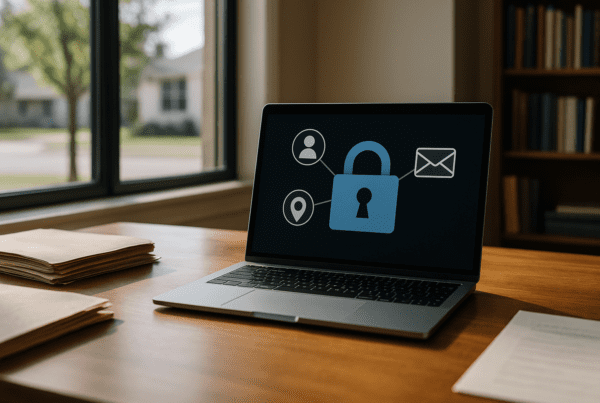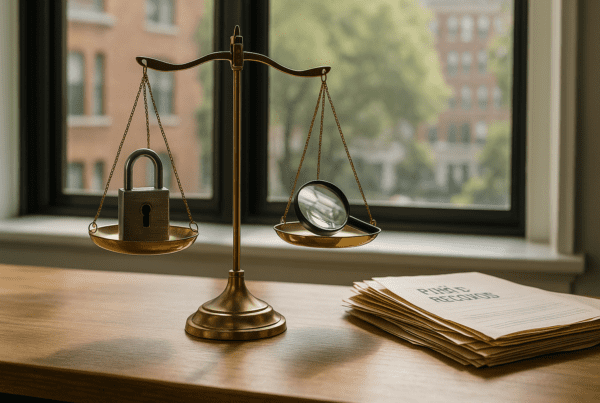

The attention on data broker practices has intensified noticeably in recent years. While these firms have quietly operated behind the scenes for decades, their role in collecting, aggregating, and trading vast amounts of personal information is now coming into sharper relief. Several high-profile scandals have propelled this topic from niche privacy discussions to mainstream awareness, leading more users to question how their information is handled and why it feels harder to control than before.
Data Brokers and the Invisible Web of Personal Information
Most people have heard about data brokers, yet few fully grasp the extent to which these companies gather and distribute personal data. From mundane details like home addresses and phone numbers to more sensitive insights such as purchasing habits or legal histories, data brokers compile profiles that are surprisingly comprehensive. This material is typically sourced from public records, consumer transactions, online activity, and sometimes less transparent channels.
What tends to escape everyday notice is how this wealth of information proliferates quietly, often without explicit consent or clarity about end use. Data brokers rarely interact with the individuals whose records they trade. Instead, they serve corporate clients seeking marketing advantages or risk evaluation. Still, the chains of data flow can be convoluted and opaque, leaving individuals uncertain about where their information travels and how it is applied.
Recent Scandals Stirring New Concerns
The public’s deepening skepticism on data broker practices has been sharpened by a series of news reports and regulatory investigations. For instance, revelations that certain brokers included sensitive classifications like political views or health conditions in their offerings have not only raised ethical alarms but also legal questions. Privacy advocates have called attention to how insufficient oversight allows these companies to operate in shadows that sometimes skirt consumer rights.
In some cases, data from brokers has been linked indirectly to identity theft or financial fraud, spotlighting the risks beyond mere marketing. News cycles covering breaches or misuse of brokered data amplify feelings of vulnerability among the public. When users see familiar companies implicated or discover their own data is part of these exchanges without their knowledge, trust erodes. This erosion fuels the demand for stricter regulation and more transparent policies.
The Growing Desire For Transparency and Control
More users today want to understand exactly what happens to their personal information and to reclaim control over it when possible. This shift affects how people respond to privacy policies, consent forms, and even the apps and services they choose to use. Tools that track or block data collection have found new audiences as part of this broader movement. Meanwhile, conversations around rights to access, correct, or delete personal data reflect advancing expectations.
Legislators and watchdog organizations have responded cautiously, with some recent laws aimed at expanding consumer rights related to data brokers. The California Consumer Privacy Act (CCPA), for example, introduced notable provisions for consumers to opt out of certain data sales. Yet many users find the patchwork of state and federal rules difficult to navigate, leaving gaps in understanding and protection.
A Persisting Balance Between Data Utility and Privacy
Despite growing concerns, data brokers continue to play a vital role in various industries – from targeted advertising to fraud prevention. There is a tangible tension between the benefits gained from data insights and the costs to individual privacy. Some argue that responsible use of brokered data can enhance consumer experiences or safety, provided it is governed well. Others see the current model as too reliant on presumptions of user ignorance.
This ongoing dialogue reflects broader questions about digital identity and autonomy in an interconnected world. As more information cycles through complex networks, people are becoming less willing to accept unseen data transactions as just part of the landscape. The Federal Trade Commission’s public information on data brokers offers insight into current regulatory efforts and challenges. Meanwhile, Privacy Rights Clearinghouse provides resources demystifying how consumers can address data broker practices.
All in all, the rising awareness shaped by recent scandals is less about rejecting data sharing outright and more about demanding transparency, choice, and fairness. It shows a maturing digital culture where users no longer feel resigned to invisible exchanges that affect their lives.
Incremental Steps Toward Better Accountability
Some firms have begun to offer clearer policies and more accessible user controls in response to pressure. Industry self-regulation efforts exist, though critics say they do not go far enough. The truth is that meaningful change requires a combination of corporate will, legal frameworks, and informed consumer engagement. Watching how these elements evolve will be essential to understanding what lies ahead for data broker practices.
The conversation has moved beyond buzzwords to a more careful weighing of risks and benefits. Personal data remains powerful, but users increasingly want assurance their information will be treated with respect. Recent scandals have undoubtedly acted as wake-up calls, prompting reflection not only on data brokers but the entire data ecosystem.
Looking Beyond the Headlines
What stands out in this evolving story is how public concern shifts as layers of information become clearer. Simple awareness does not solve the complexities but lays the foundation for ongoing scrutiny and dialogue. Many people still navigate a world where their data trails are long and tangled, but they are pushing for a future where these trails are more transparent and less exploitable.
This gradual, uneven change invites attention to detail rather than sweeping conclusions. Users may find new tools, laws, or practices helpful, yet the landscape remains complicated. Understanding data broker practices requires patience and curiosity, the same traits that have led to this renewed focus on privacy in the first place.
Ultimately, awareness sparked by recent scandals shows how data sharing practices touch everyday lives. It clarifies why these topics matter far beyond technical communities and why people expect better stewardship of their personal information across the board.
For those interested in the latest developments and practical tips, Consumers Union offers a detailed look at data broker impacts on privacy. Meanwhile, the Electronic Frontier Foundation explores data broker regulation with an eye on user rights within the evolving digital landscape.
As this area continues to grow and shift, the cautious attention users now bring creates the possibility of more informed choices and fairer practices ahead.
Sources and Helpful Links
- Federal Trade Commission data brokers overview, authoritative explanation on data broker roles and regulation efforts
- Privacy Rights Clearinghouse on data brokers, consumer resources for understanding and controlling data collection
- Consumers Union report on privacy issues with data brokers, clear discussion on the consumer perspective and policy
- Electronic Frontier Foundation on data brokers, exploration of privacy rights and regulation challenges